
Last updated November 22, 2026
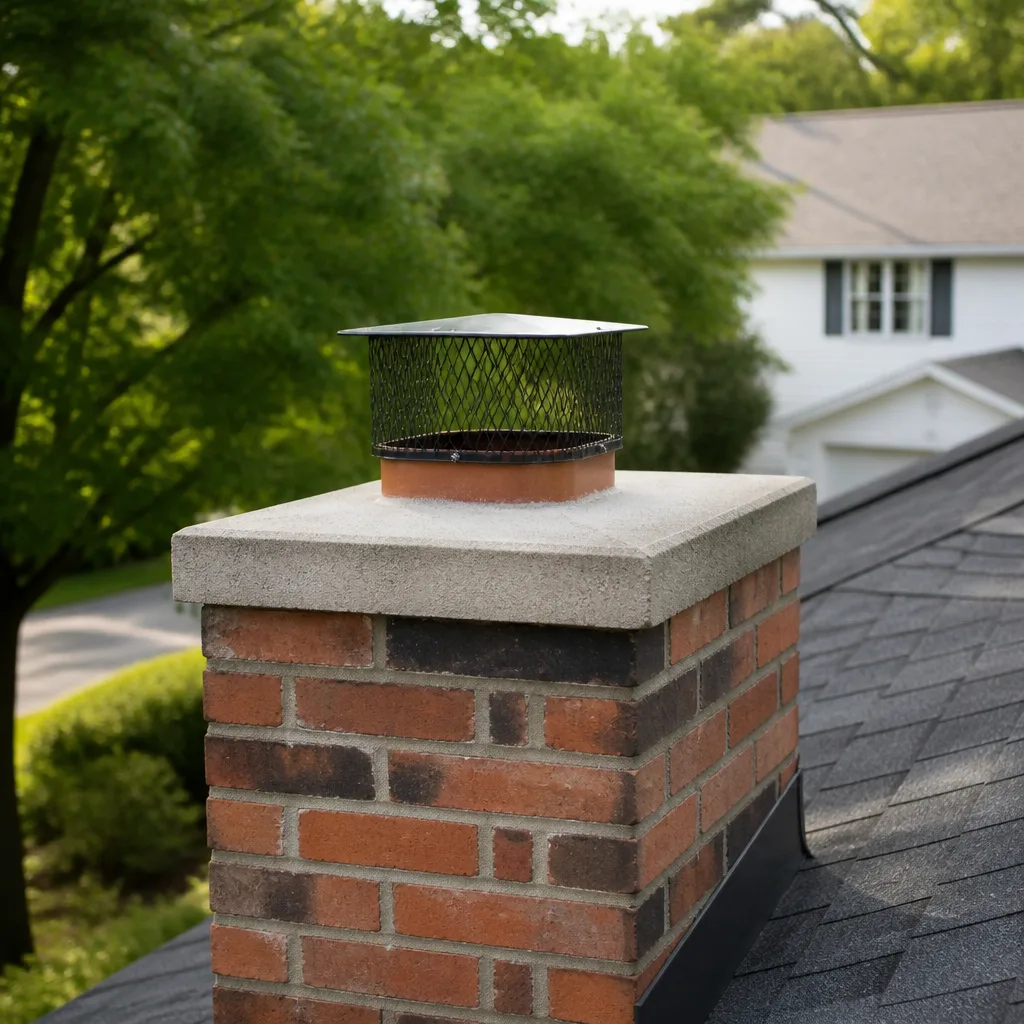 Sweep & inspection
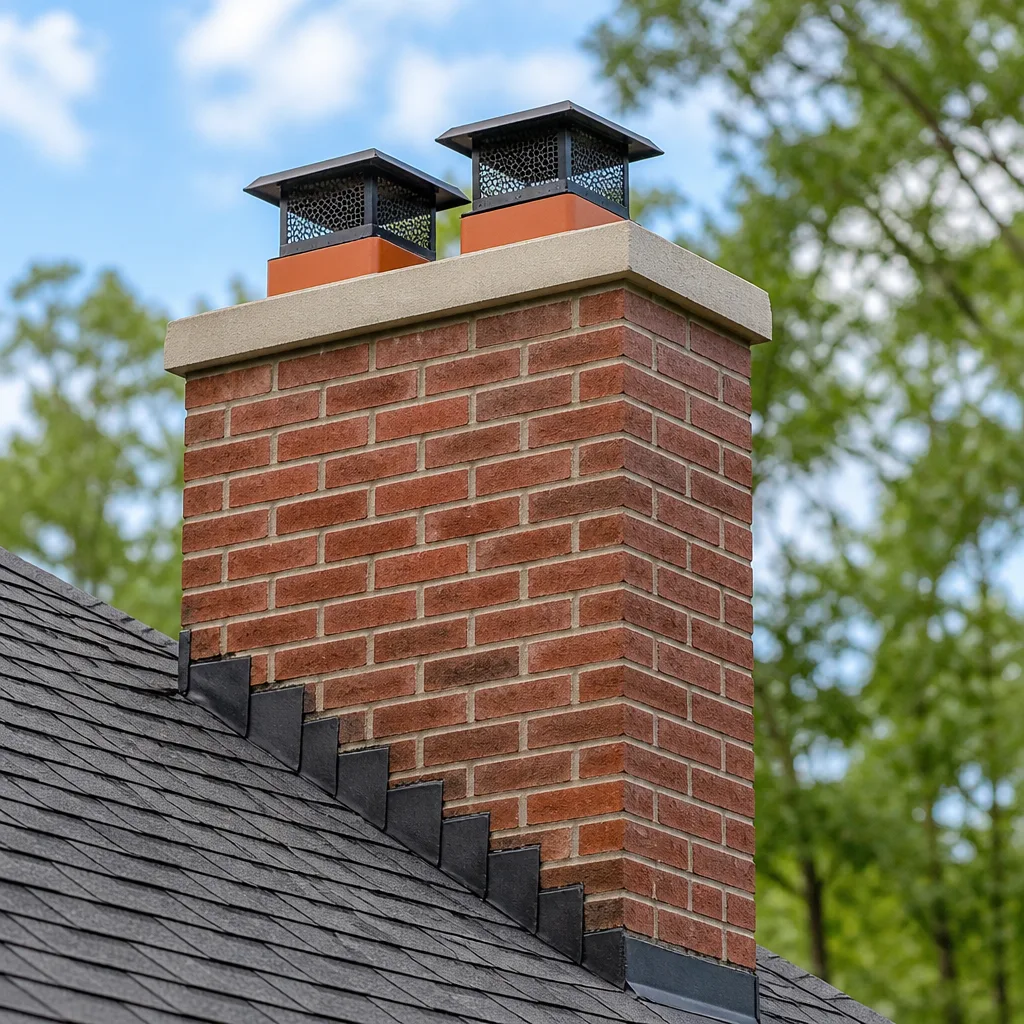 Caps & crowns
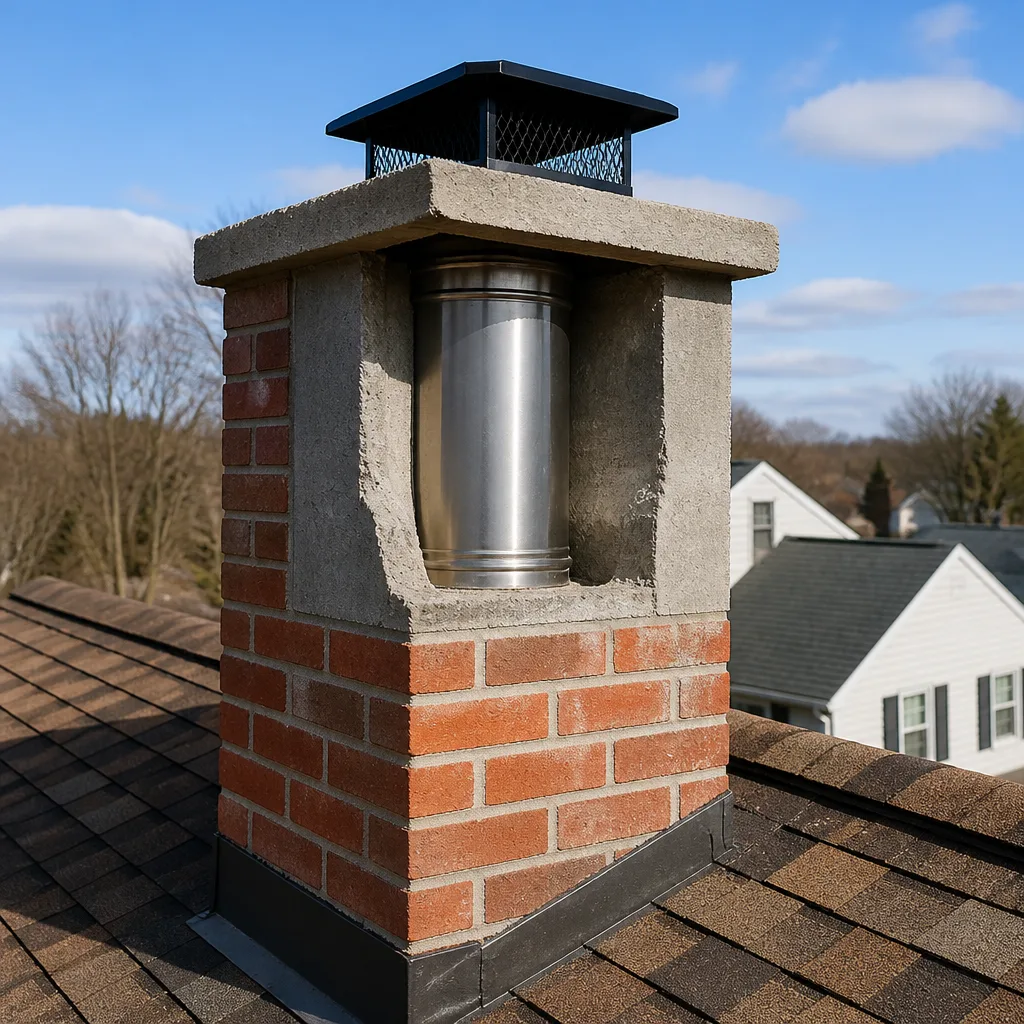 Flue relining
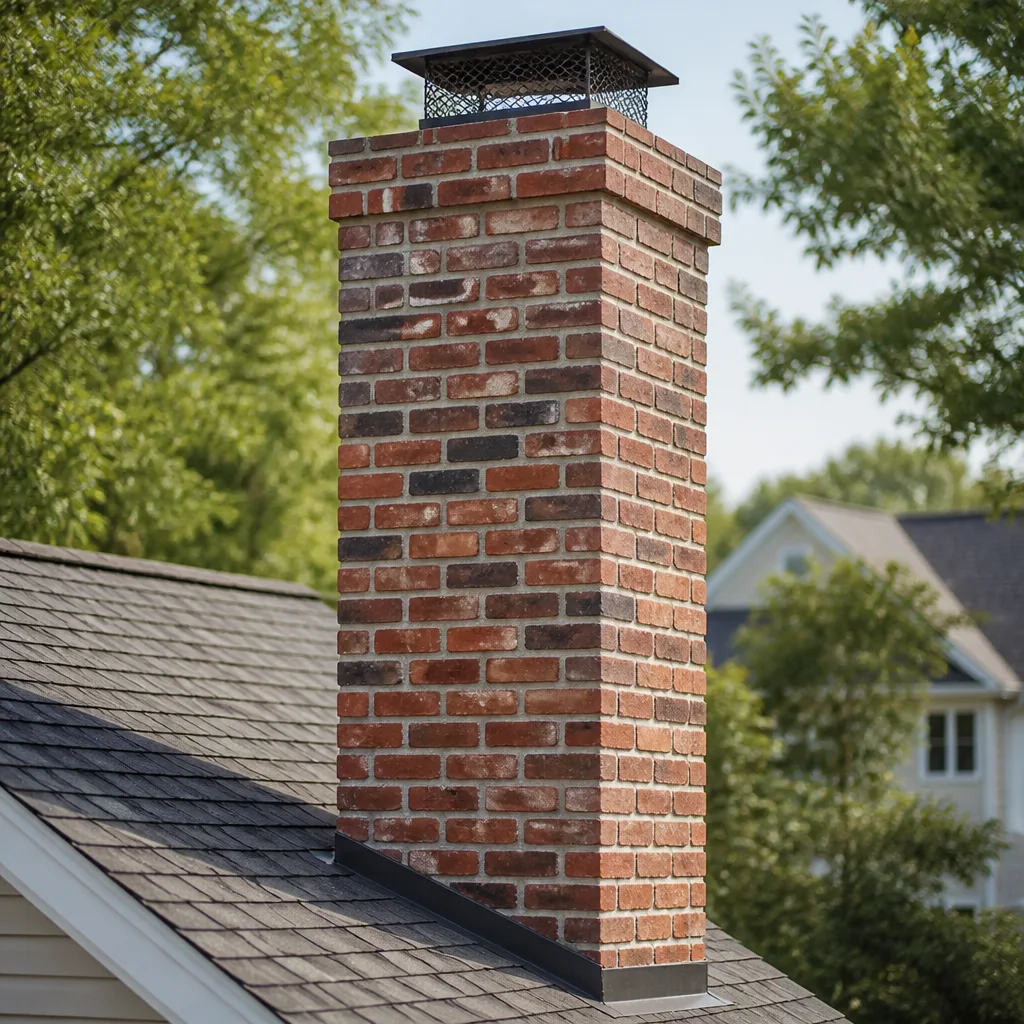 Masonry repair
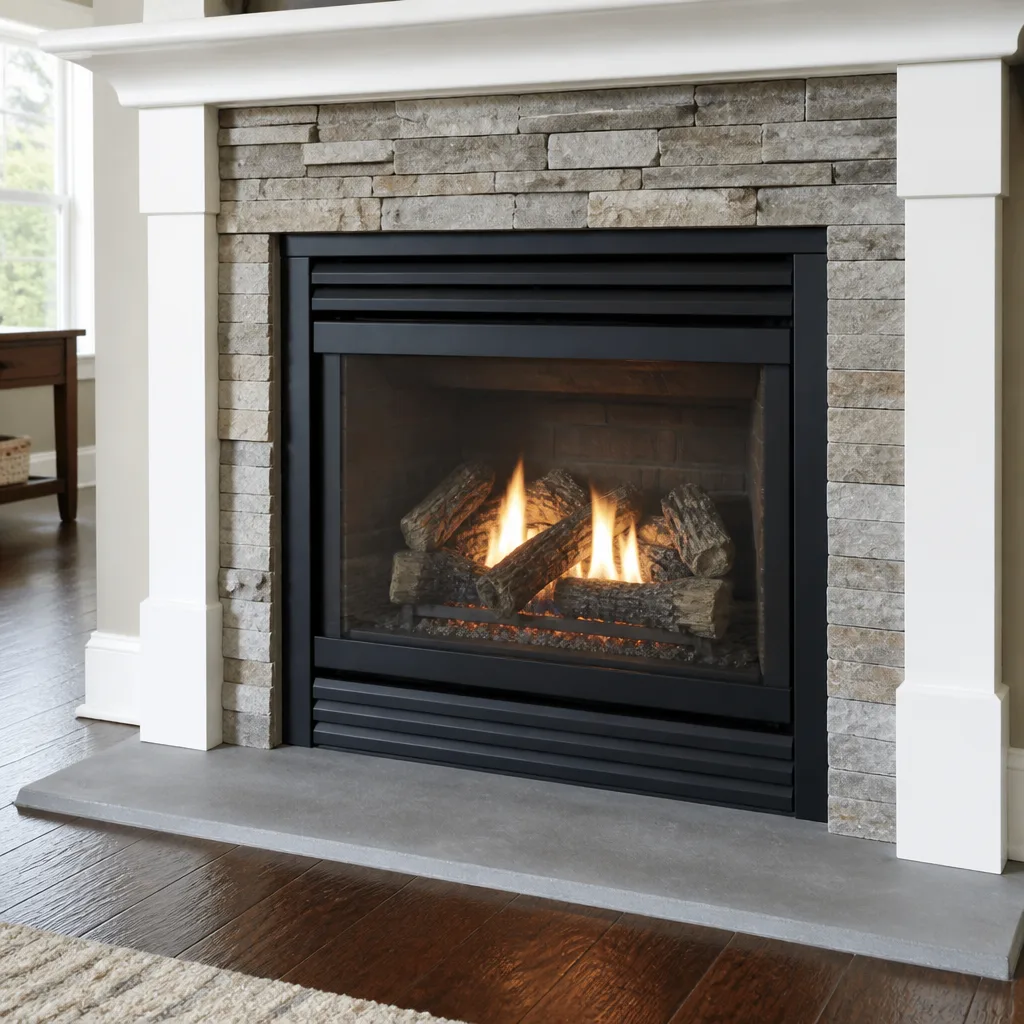 Gas fireplace service
Level 1 sweep and inspection to the NFPA 211 annual standard - flue, crown, cap, and flashing checked and photographed
Chimney sweep logs do not sweep chimneys. They loosen some creosote - which then falls where a brush and vacuum still have to collect it.
Chimney Sweep Maintenance Checklist for Northeast Philadelphia Homeowners
The chimney cap is the first thing to fail on a Northeast Philadelphia rowhouse, and it’s usually the last thing a homeowner ever looks at. That’s the counterintuitive part: the component most exposed to weather is the one nobody inspects, while the firebox gets all the attention. A missing or cracked cap lets water into the flue, and water working through masonry and clay tile over a couple of freeze-thaw cycles does more structural damage than any fire will. This guide separates what you can check yourself from what needs a technician’s instruments, and it’s built around the specific housing stock and climate you live with in Northeast Philadelphia.
Quick Answer
A chimney maintenance checklist for a Northeast Philadelphia home should cover four things at different intervals: a visual check of the cap, crown, and mortar joints several times a year, a professional sweep based on how much you actually burn rather than a blanket annual rule, a technician-level assessment of the liner and smoke chamber, and an immediate professional inspection after any chimney fire, even one that seemed to put itself out. The climate here – hard freezes, repeated thaw, driven rain – makes water intrusion the leading cause of chimney damage in the area, so the exterior checks matter as much as the flue cleaning.
Styles & brands we work with
- Sweep & inspection
- Caps & crowns
- Flue relining
- Masonry repair
- Gas fireplace service
Table of Contents
- Tier One: What You Can Check Yourself
- Tier Two: What Only a Technician Can Assess
- Reading Northeast Philadelphia’s Freeze-Thaw Cycle
- How Often Should Your Chimney Actually Be Swept?
- Keeping a Seasonal Chimney Log
- After a Chimney Fire: Why Looking Fine Isn’t Enough
- The Materials Behind a Proper Repair
- Common Mistakes to Avoid
Tier One: What You Can Check Yourself
You don’t need tools or a ladder to catch most early chimney problems. You need to know what to look at and when. The checks below are safe from the ground with binoculars, and they’re the ones that flag water intrusion before it reaches the flue.
The chimney cap sits on top of the flue and does two jobs: it keeps rain and animals out, and it gives exhaust a place to exit. On the rowhouses and twins that make up much of Northeast Philadelphia, caps are frequently the original galvanized model, and galvanized steel has a finite life in a climate with this much moisture. A cap that’s rusted through, bent, or simply gone is an open door.
- Cap: From the ground, check that a cap is present on every flue and that the mesh and top plate look intact. Rust streaks down the crown are a sign it’s failing.
- Crown: The crown is the concrete slab at the top that sheds water away from the masonry. Look for visible cracks, a crown that’s pulling away from the flue, or concrete that looks heaved or crumbly.
- Mortar joints: Scan the brickwork for joints that have recessed or turned sandy. Wide, eroded joints let water in and are the first stage of spalling.
- Brick faces: Look for brick faces that are flaking or peeling. This is spalling, and it’s the signature damage of freeze-thaw cycling.
- Staining: White, chalky staining on the brick is efflorescence, which means moisture is moving through the masonry. Rust-colored or dark staining is a different story and worth a closer look.
- Interior signs: Check the ceiling and walls near the chimney for water stains, and check that the damper opens and closes fully.
Write down what you see and when. We’ll come back to why that log matters. For a deeper walkthrough of exterior components, see our page on chimney cap & crown work.
Tier Two: What Only a Technician Can Assess
Some of the most consequential chimney problems are invisible from the ground and invisible from the firebox. They live in the flue and the smoke chamber, and they need a camera, a light, and a trained eye to find. This is the tier where a homeowner’s checklist hands off.
Liner integrity is the big one. A clay tile liner is made of individual tiles stacked with mortar joints between them. Those joints crack. Tiles shift. In an older Northeast Philadelphia home, the liner may have been breached for years without any visible symptom in the firebox. A technician runs a camera down the flue and sees the whole run – cracks, gaps, missing mortar, and offset tiles that a fire can escape through into the surrounding structure. This is why a professional sweep is not the same as a cleaning.
Smoke chamber parging is the next. The smoke chamber is the sloped area above the damper and below the flue. Its walls should be smooth so smoke rolls up and out. Rough, corbelled brick in the smoke chamber traps creosote and slows draft. Parging it smooth is a technician job, and it’s often skipped by sweep-only services because it requires masonry skill in a tight space.
Other technician-only items include:
- Creosote degree and distribution – glazed, third-degree creosote can’t be brushed off and needs a different approach.
- Draft measurement and flue sizing against the appliance.
- Firebox and damper assembly condition, including cracks in the firebox walls that aren’t visible from a standing position.
- Chase cover, flashing, and the masonry below the roofline that you can’t see from the yard.
If the liner isn’t sound, the fix depends on what’s wrong. Sometimes resurfacing with HeatShield is the right call for a deteriorating clay tile liner that’s still structurally there. Sometimes a chimney liner replacement is the honest answer. The difference matters, and you should hear it explained in plain terms.
Reading Northeast Philadelphia’s Freeze-Thaw Cycle
Northeast Philadelphia’s winters don’t just get cold – they oscillate. A stretch of days above freezing lets moisture soak into brick and mortar, then a hard freeze turns that moisture into expanding ice, and the cycle repeats. That mechanical stress, repeated across a masonry chimney every winter, is what produces the damage pattern we see most in this part of the city.
Three indicators are worth knowing by name, because knowing the names helps you describe them accurately to a technician:
- Spalling brick is a brick face that has flaked or popped off, usually leaving a rough, porous surface behind. Once a brick face is gone, that brick absorbs water faster and deteriorates faster. Spalling on the chimney is a sign the freeze-thaw cycle has already been working on it for more than one season.
- Efflorescence is the white, powdery staining that appears when moisture moves through masonry and deposits salts on the surface as it evaporates. It’s not damage on its own, but it’s a reliable indicator that water is migrating through the chimney. Repeated efflorescence in the same area means the water path hasn’t been closed.
- Heaving crown concrete is a crown that has lifted, cracked, or separated from the flue. A crown that no longer sheds water properly sends it straight down into the masonry below, which accelerates everything else on this list.
The rowhouse and twin housing stock common across Northeast Philadelphia makes these failure points more consequential than they’d be on a detached house. Chimneys on these homes are often shared or closely spaced, exterior masonry is more exposed, and the original construction age means the clay tile liner has had many winters of cycling. That’s why a chimney repair conversation here so often starts with water and works inward, rather than starting with the fire.
One practical note: the best time to inspect for freeze-thaw damage is late winter, after the worst of the cycling, and again in fall before burning season. The damage is the same both times; what changes is how much of the season it has had to develop.
How Often Should Your Chimney Actually Be Swept?
“Once a year” is the answer you’ll see everywhere, and it’s not wrong – but it’s a starting point, not a rule that fits every home. The real interval depends on what you burn, how often, and how the appliance runs. Here’s how we think about it:
- Wood, occasional use – a fireplace used a few times a month through the cold season, with well-seasoned wood. A professional sweep once a year is the baseline, and a technician check of the liner every year alongside it.
- Wood, regular primary heat – if the fireplace or stove is doing real heating work, once a year is a floor, and the flue may want attention more often depending on how much creosote accumulates. Glazed creosote builds faster on a stove run at low, smoldering settings.
- Gas – gas fireplaces produce far less creosote, but they still need an annual check. The liner and venting can degrade, and a gas appliance that isn’t drafting correctly is a carbon monoxide concern, not a creosote concern.
- After any change – if you’ve had a fire, a liner repair, a new appliance installed, or significant masonry work, that resets the clock. Don’t wait for the annual date.
The point of the interval is to catch problems while they’re still cheap to fix. A creosote layer measured and logged each year tells a technician whether you’re on a stable trend or a rising one – and that’s the signal that changes the recommendation. Our chimney sweep service includes a camera inspection for exactly this reason, so the cleaning and the condition report happen together.
Keeping a Seasonal Chimney Log
A single observation is a snapshot. A log of observations across seasons is a trend, and a trend is what lets a technician tell you whether something is stable, slowly failing, or accelerating. This is one of the highest-value habits a homeowner can build, and almost nobody does it.
Keep it simple. A notebook, a note on your phone, a spreadsheet – whatever you’ll actually use. For each check, record:
- The date and the season.
- Whether a cap was present and its apparent condition.
- Any change in the crown – new cracks, wider cracks, separation from the flue.
- Any new spalling, efflorescence, or staining, with the location described (near the roofline, mid-chimney, at the crown).
- Interior signs – water stains, damper operation, smoke spillage into the room.
- How much you burned since the last entry, roughly, and what fuel.
When a technician arrives, hand them the log. In our experience, that log is often the difference between “this looks fine today” and “this has been moving in the wrong direction for two winters.” It’s also the best protection against being sold work you don’t need – the evidence is right there, in your own handwriting, and any recommendation can be checked against it. That’s the standard we work to: nothing recommended without evidence you can see for yourself, and a plain statement when work can safely wait.
After a Chimney Fire: Why Looking Fine Isn’t Enough
A chimney fire can burn hot and loud, or it can smolder quietly and go out on its own. The second kind is the dangerous one, because it leaves the fireplace looking and working normally while it has already done structural damage inside the flue. If you suspect a chimney fire – a roaring sound, a vibration, a smell of hot metal, or a sudden whoosh – the fireplace stays out of use until a professional has inspected it.
The reason is specific. A chimney fire can crack the clay tile liner, open up mortar joints between tiles, and damage the smoke chamber, all without visible exterior signs. The firebox can look untouched. A visual inspection from the hearth will not find a crack three tiles up the flue. Only a camera inspection can. Continuing to burn in a chimney with a breached liner sends heat and products of combustion directly into the framing around the chimney, and that’s the mechanism behind the house fires that start with an apparently intact fireplace.
After a suspected chimney fire, the sequence is:
- Stop using the fireplace immediately. Don’t “test” it.
- Call for a professional inspection that includes a camera of the full flue, not a visual check from the firebox.
- Have the smoke chamber and liner assessed, and get a written account of what was found.
- Make the repair decision based on what the camera shows – which may be a resurfacing if the clay tile is compromised but present, or a liner replacement if the flue is breached.
Our main guide to Chimney Sweep Northeast Philadelphia covers how that inspection process works end to end.
The Materials Behind a Proper Repair
When the checklist does turn up a needed repair, the material chosen matters more than the speed of the work. This is where a homeowner is most exposed to being sold the wrong fix, so it’s worth understanding the vocabulary.
HeatShield is a resurfacing system for deteriorating clay tile liners. It’s a proprietary process that requires specific product training to apply correctly. The reason it matters in Northeast Philadelphia is that the region’s older housing stock has a lot of clay tile flues that are damaged but not gone. Resurfacing can restore a compromised liner without a full liner replacement, and it’s the kind of solution a sweep-only company typically can’t offer and refers out.
DuraFlex is the flexible stainless steel liner product we use for retrofits. The “flexible” part is the point: on an older chimney with an offset or an irregular flue, a flexible liner can be run without demolishing the chimney. That’s a concrete capability on the narrow chimneys common to rowhouses, where pulling the chimney apart to install a rigid liner is a much bigger job than it needs to be.
For crown and cap work, products from Famco and Copperfield are part of the standard material set we work with. The right cap isn’t just stainless steel – it has to fit the flue, be sized for the draft, and be installed so it stays. A crown that’s properly formed and sloped does more to protect the chimney than any repair done after the water has already gotten in.
We name these materials because they solve specific problems, not because a brand name alone makes a repair good. A liner is only as good as the assessment that chose it.
Common Mistakes to Avoid
- Skipping the cap because it “looks okay from the window.” A cap can be rusted through on the underside and look normal from below. Check it from the ground with binoculars, or have it checked as part of the sweep. A failed cap is the start of the water path that ends in a collapsed liner.
- Sweeping once a year no matter what you burn. A gas fireplace and a wood stove used for primary heat have completely different needs. Match the interval to the fuel and usage, not to the calendar.
- Treating efflorescence as cosmetic. White staining on the chimney means water is moving through the masonry. Repainting or sealing over it without finding the water path just traps the moisture inside.
- Using a general handyman for the liner. The liner is the safety-critical component, and assessing it needs a camera and training. Your chimney handles heat, gas, and debris – it deserves a specialist, not a generalist.
- Assuming a quiet chimney fire did no damage. A smoldering fire can crack a tile joint without any exterior sign. If you suspect one, get the flue camera-inspected before lighting another fire.
- Not writing anything down. Without a log, every inspection starts from zero, and a technician can only tell you what today looks like. With a log, they can tell you where it’s heading.
- Putting off the crown because the flue gets swept. The crown is the chimney’s roof. A failing crown sends water into the masonry all winter while the inside of the flue gets all the attention.
See the difference
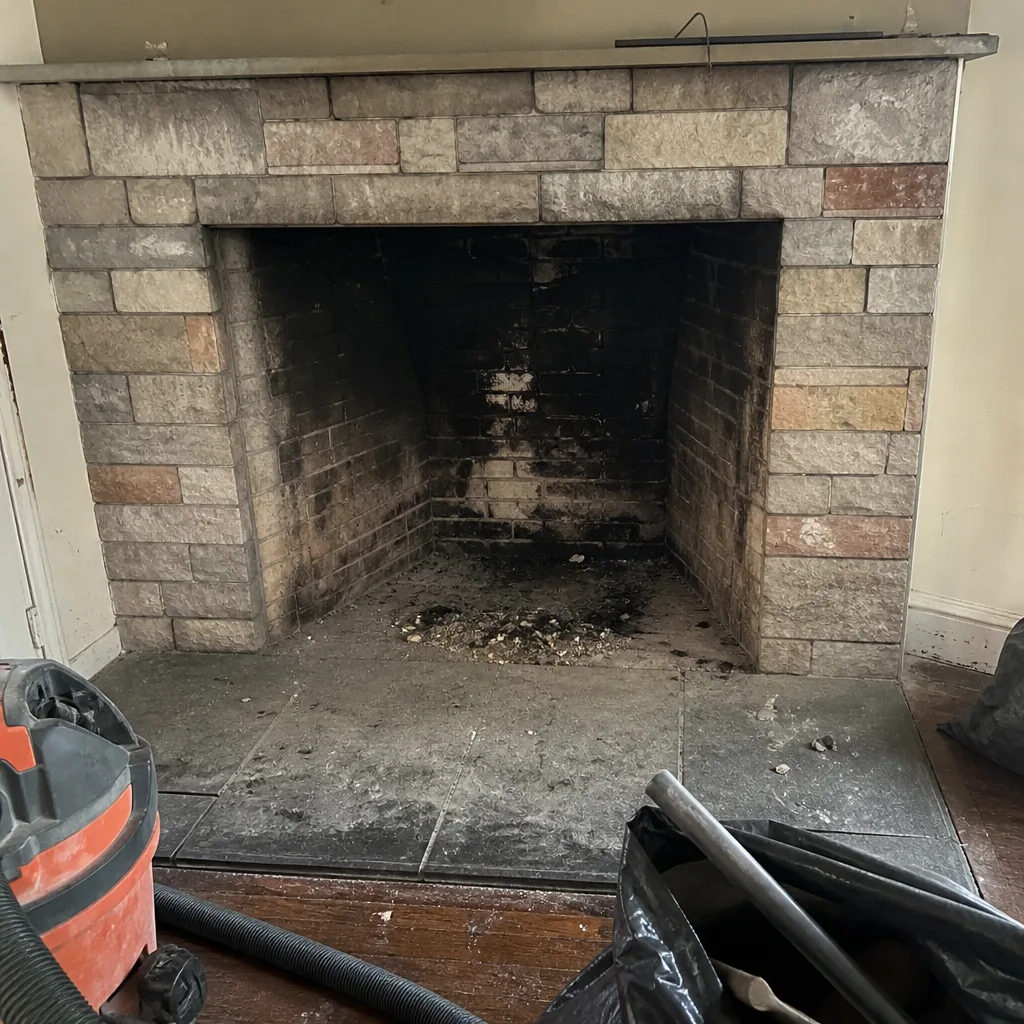 Before
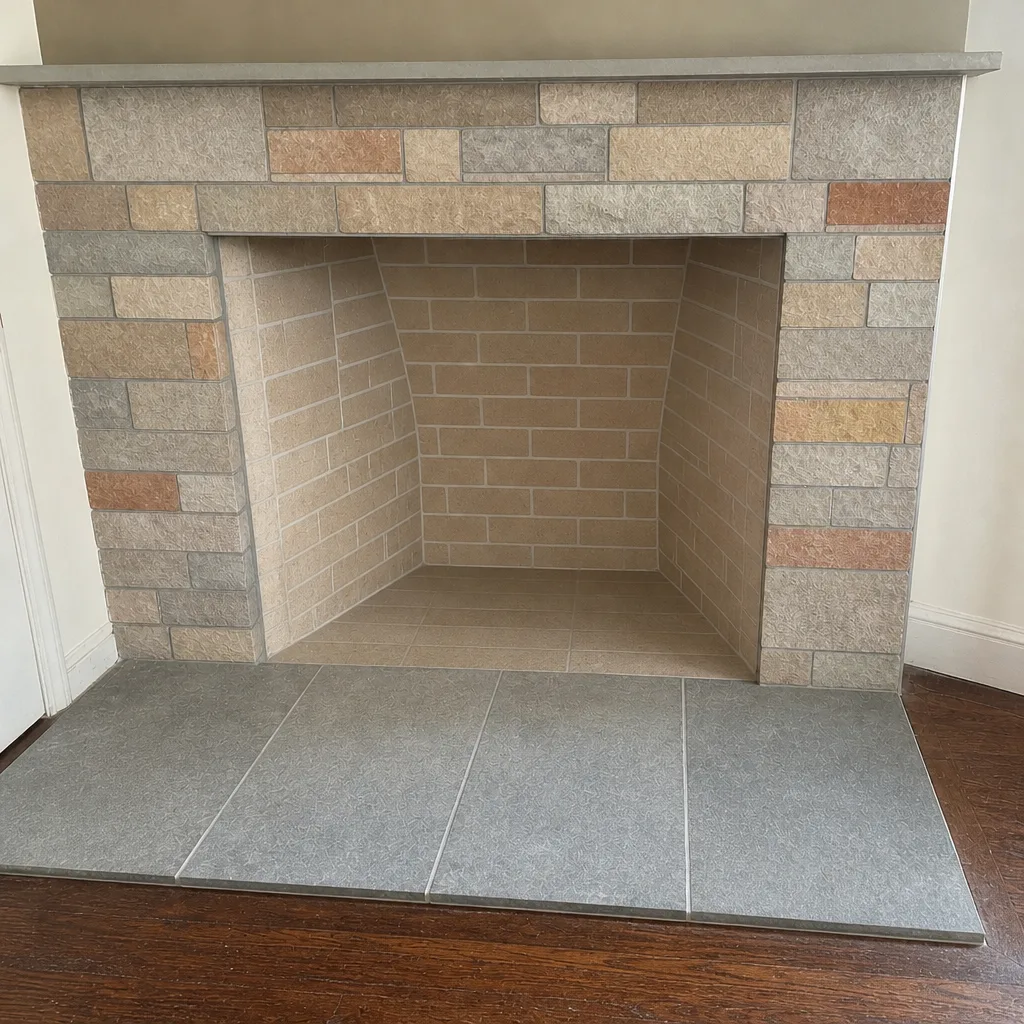 After
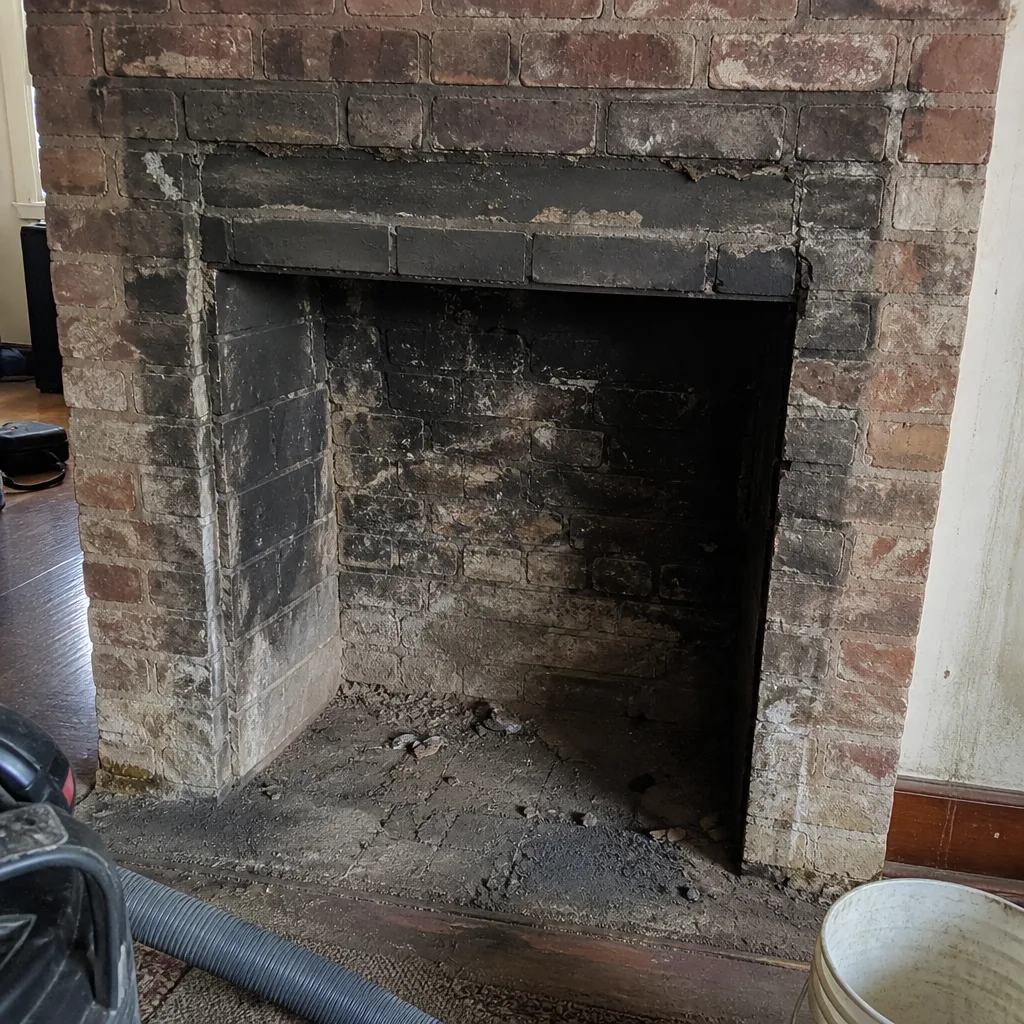 Before
 After
 Before
 After
When to Call a Professional
Call a professional if you found spalling brick, a cracked or heaving crown, efflorescence that’s spreading, or a cap that’s missing or rusting through. Call if you’ve had a chimney fire or suspect one, if smoke spills into the room when you light a fire, if the damper won’t operate smoothly, or if you’re buying a home in Northeast Philadelphia and want the chimney assessed before closing. Call if you can’t remember the last time the flue was inspected, and call if your log shows a trend that’s getting worse rather than holding steady. Chimney Sweep Northeast Philadelphia offers free estimates in Northeast Philadelphia – call (855) 658-4023. We answer 24/7, and fast dispatch runs from 7am to 7pm, Sunday through Friday. Every estimate is a flat price agreed before booking, and the inspection includes a camera and a photo report you can look at yourself.
Frequently Asked Questions
A standard chimney sweep in Northeast Philadelphia is typically priced per job, and the written estimate sets the final price – there’s no flat citywide rate because every flue is different. The estimate is free, and the price is agreed before the work is booked. Call (855) 658-4023 for an exact quote.
A sweep is enough if the camera shows the clay tile is intact. If the liner has cracked joints, offset tiles, or missing mortar, a sweep won’t fix it – the choice is usually between resurfacing with HeatShield and a full liner replacement, and the camera evidence tells you which. Nothing is recommended without evidence you can see for yourself, and we’ll tell you plainly when work can safely wait. Call (855) 658-4023 to book an inspection.
Once a year is the baseline for a wood-burning fireplace with occasional use, and more often if the fireplace is doing real heating work or the flue shows glazed creosote. Gas fireplaces need an annual check too, for the venting rather than the creosote. The right interval comes from what your flue actually shows, not from a blanket rule. Call (855) 658-4023 for an exact quote.
Skipping it lets two problems build at once: creosote accumulates in the flue, and water works into the masonry through a failing cap or crown. In Northeast Philadelphia’s freeze-thaw cycle, that water damage accelerates every winter, and a cracked liner can go undetected until heat is escaping into the framing. The risk is real, but the fix is usually cheaper the earlier it’s caught. Call (855) 658-4023 for a free estimate.
White, chalky staining is efflorescence, and it means moisture is moving through the masonry and depositing salts as it evaporates. It’s not damage on its own, but it’s a reliable sign that water is getting in somewhere – often a failing cap or crown. Sealing over it without finding the water path traps the moisture inside. Call (855) 658-4023 to have it assessed.
No – not until a professional has camera-inspected the full flue. A smoldering chimney fire can crack the clay tile liner or open a mortar joint without leaving any visible sign in the firebox, and burning again with a breached liner sends heat into the framing around the chimney. A visual check from the hearth isn’t enough. Call (855) 658-4023. We answer 24/7, and a call outside dispatch hours is booked into the next opening, Sunday through Friday, 7am to 7pm.
The Bottom Line
A chimney checklist for Northeast Philadelphia isn’t a single annual appointment – it’s a habit split into two tiers. You handle the ground-level visual checks on the cap, crown, mortar, and brick, and you log what you find across seasons. A technician handles the liner and smoke chamber with a camera, on an interval that matches your fuel and usage. The freeze-thaw cycle here makes water the leading cause of damage, so the exterior checks earn their place. And after any suspected chimney fire, the fireplace stays out of use until the flue has been inspected, because a quiet fire can do damage that looks fine from the hearth.
Our technicians have up to 13 years of experience with the full chimney system – from the firebox to the crown – using professional-grade materials including DuraFlex, HeatShield, Famco, and Copperfield. One team for the sweep, the cap and crown, the liner, the rebuild, and the fireplace repair, so there’s no handoff between contractors and one point of accountability.
Call Chimney Sweep Northeast Philadelphia at (855) 658-4023 for a free estimate. We answer 24/7. Fast dispatch from 7am to 7pm, Sunday through Friday.
Written by the team at Chimney Sweep Northeast Philadelphia.