
Last updated November 22, 2026
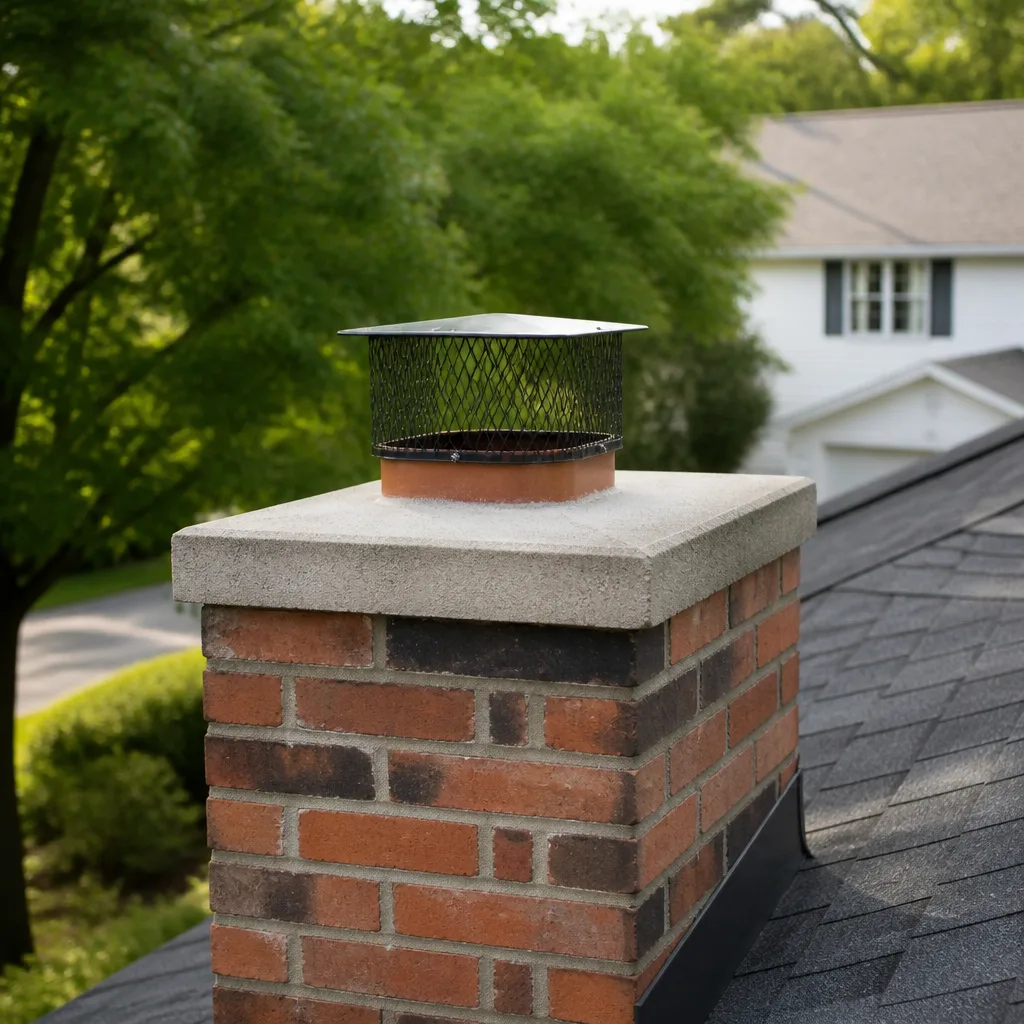 Sweep & inspection
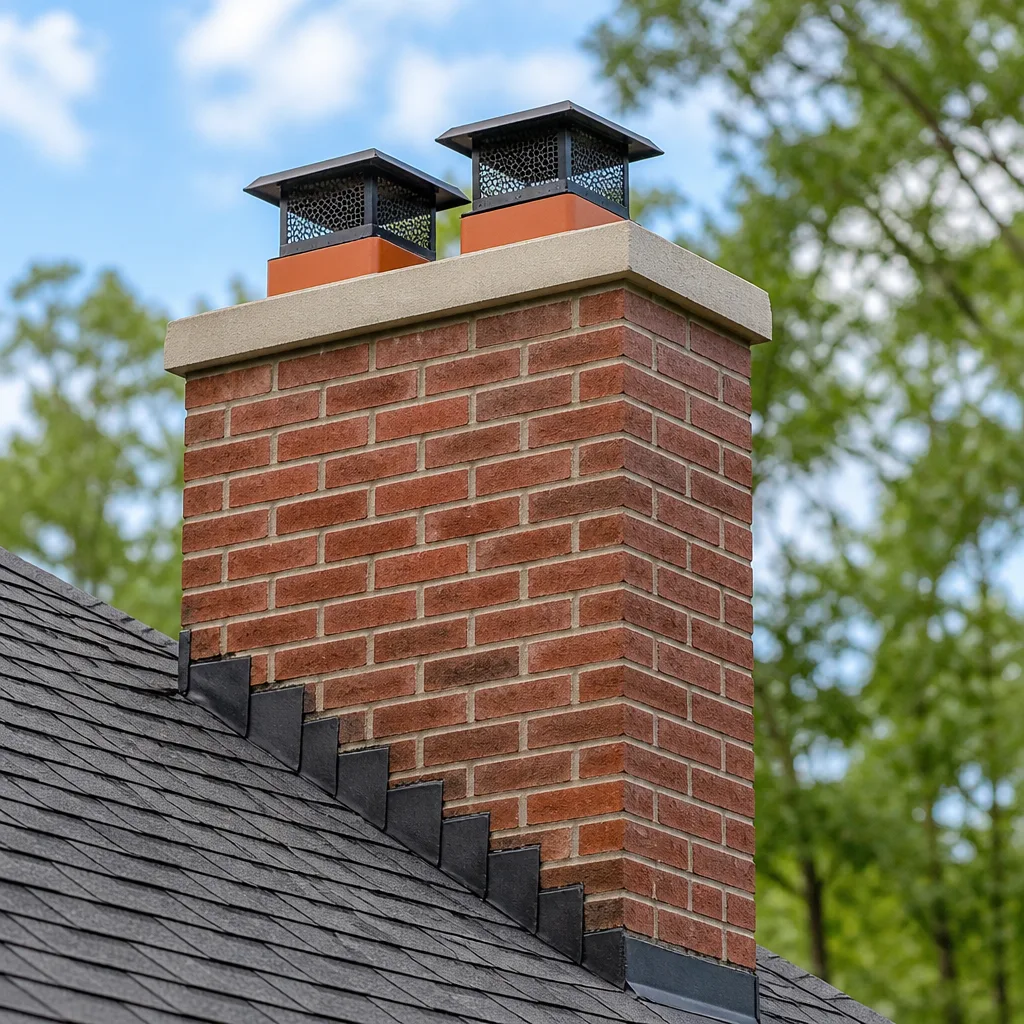 Caps & crowns
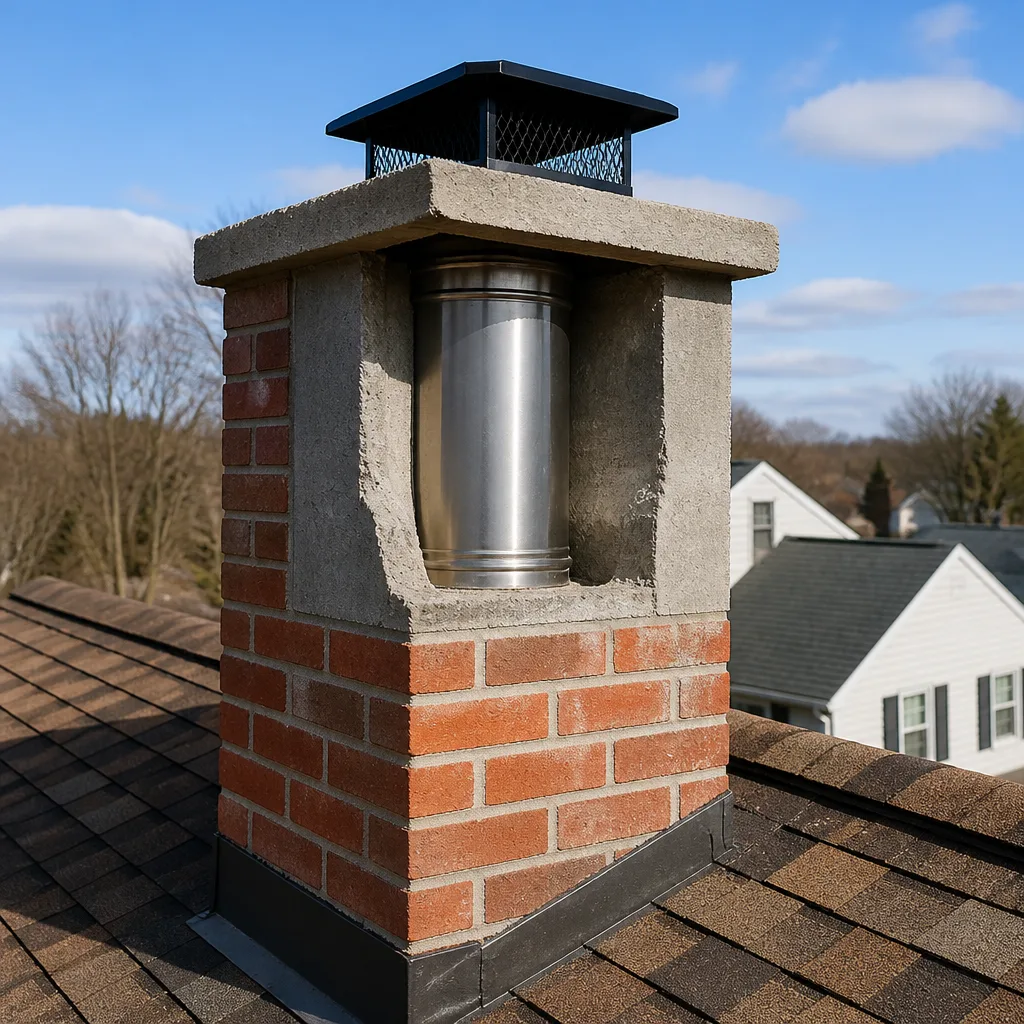 Flue relining
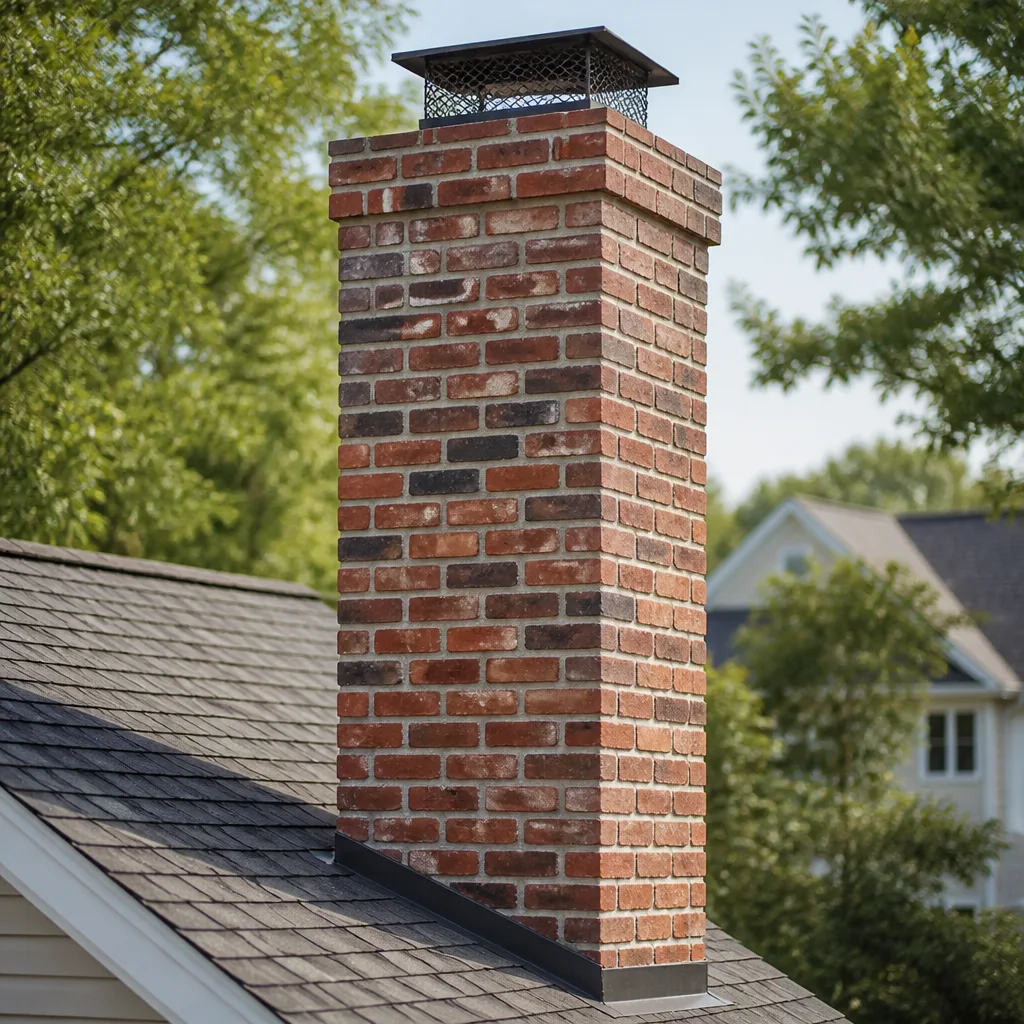 Masonry repair
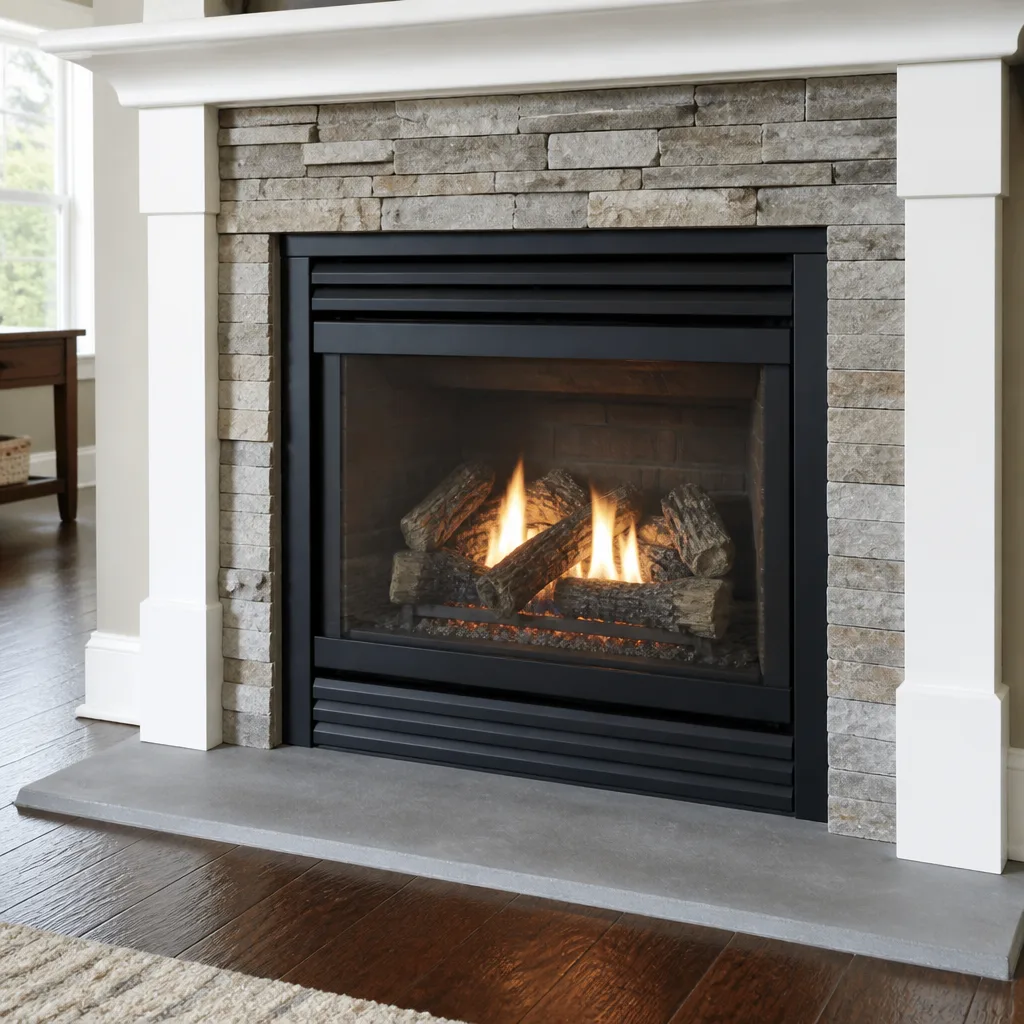 Gas fireplace service
Level 1 sweep and inspection to the NFPA 211 annual standard - flue, crown, cap, and flashing checked and photographed
Chimney sweep logs do not sweep chimneys. They loosen some creosote - which then falls where a brush and vacuum still have to collect it.
Chimney Cleaning Warning Signs: A Northeast Philadelphia Homeowner’s Reference Guide
A white stain running down the outside of your chimney isn’t cosmetic. That chalky bloom is efflorescence, and it means water is moving through your masonry and leaching minerals out as it dries. By the time you can see it from the street, the freeze-thaw damage to the liner mortar joints has usually already begun. Most chimney problems in Northeast Philadelphia announce themselves quietly: a smell that lingers in a room you don’t heat, a stain you’ve decided is “just the brick,” a clicking sound on cold mornings. This guide will teach you to read the system rather than react to it, from the first faint signal to the point where a professional belongs in the conversation.
Quick Answer
The most reliable warning signs that a chimney needs cleaning or repair are visible soot or creosote buildup beyond a thin glaze, a white efflorescence stain on exterior brick, smoke spilling into the room on cold starts, a persistent smoke smell in a room adjacent to the chimney wall, and any audible cracking or clicking as the flue heats up. These signals show up long before a chimney fire or carbon monoxide problem does. If you can see them, the system is already telling you something, and a sweep is the cheapest way to find out what it’s saying.
Styles & brands we work with
- Sweep & inspection
- Caps & crowns
- Flue relining
- Masonry repair
- Gas fireplace service
Table of Contents
- What You Can See From the Street (and What It Means)
- Indoor Signals Most Homeowners Dismiss
- Settling Sounds vs. Expansion Noises
- Why a Smell in the Next Room Is a Red Flag
- How Northeast Philadelphia Conditions Age a Chimney
- How to Document Signs Before a Technician Visit
- The Four Levels of Creosote and What They Tell You
- What Happens After the Sweep
What You Can See From the Street (and What It Means)
Street-level observation is where most chimney diagnoses begin, and it’s also where homeowners make their first mistake: assuming that if brick looks intact, the chimney is fine. The signals you can read from the sidewalk or your front steps tell you a lot about the outside of the system and very little about the flue. Here’s what to scan for on a walk around the house.
Visible from the ground
- Efflorescence: that white chalky stain on brick. It means moisture is migrating through the masonry, usually from a failing crown, a missing cap, or deteriorated flashing.
- Spalling: brick faces flaking off and piling up on the roof or in the yard below. Water got in, froze, and pushed the outer layer away.
- Crown damage: the concrete or mortar cap at the top of the chimney should overhang the brick slightly and slope away from the flue. Visible cracks, crumbling edges, or a flat top are clear signals.
- Missing or damaged spark arrestor: the metal mesh atop the cap is there to keep embers, birds, and squirrels out. A bent or missing screen is the leading way critters get into a flue.
- Tilted chimney: an obvious lean or separation from the house wall usually means footing or corroded tie problems, not a cleaning issue.
- Soot staining at the top: black streaks along the upper brick often indicate a chimney that’s been running poorly and spilling smoke externally.
What the street cannot show you
None of these signals tell you the condition of the flue liner, the extent of any internal creosote glazing, or whether the damper is sealing properly. For that you need a technician on the roof or a camera inspection of the flue. If we see efflorescence from the ground, we already know the odds of finding damaged mortar joints inside the liner go up sharply. That’s the layered damage I mentioned earlier: what you see on the outside is usually the second symptom, not the first.
For exterior components like a cracked crown or missing cap, take a look at our chimney cap & crown page, which covers the repair scope in detail.
Indoor Signals Most Homeowners Dismiss
Inside the house, chimney problems often masquerade as house quirks. The most frequently ignored signals share one trait: they appear only occasionally, usually at the start of a fire or on the coldest days, so it’s easy to chalk them up to “that’s just how this house is.” In our experience, these are the fingerprints of a system that’s laboring.
The indoor warning signs, in order of frequency
- Smoke spillage on a cold start. A puff of smoke when you first light a fire can be normal in a cold flue. Persistent backdraft, or smoke that rolls into the room for more than 30 seconds, usually points to a blockage, a flue that’s undersized for the firebox, or a damper that isn’t opening fully.
- Soot on the damper frame. A thin black shadow around the damper housing or along the top edge of the firebox opening is a strong indicator that smoke is escaping around the damper rather than going up the flue.
- A persistent smoke smell in the room even when no fire is burning. This is the most commonly dismissed sign of all. It usually means the flue is drawing cold air down and pushing that smoky air back into the room through the appliance or a small crack.
- Visible soot smudges on the firebox walls. A little is normal. Large smeared patterns around the firebox indicate burn problems, not just cosmetic soot.
- Stains on the mantel or firebox facing. Brown or yellow streaks where the fireplace meets the wall often signal water coming down the flue and wicking outward.
None of these indoor signs should be treated as normal. A properly functioning chimney vents smoke out and pulls fresh air in, and if that’s not happening, something has changed inside the flue.
Settling Sounds vs. Expansion Noises
Homes in older Northeast Philadelphia neighborhoods have their own sound vocabulary. Bricks settle, floor joists creak, hot-water pipes tick. Separating those baseline household noises from genuinely worrying chimney sounds is one of the most useful diagnostic skills a homeowner can develop.
Normal sounds
- A single sharp crack when a fire is first lit, as the flue warms quickly.
- Low rumble or whoosh as the draft establishes.
- Occasional tick or pop from the firebox as metal components heat up.
- Brick settling creaks that happen once or twice a day, unrelated to a fire.
Sounds that indicate a problem
- Rapid clicking or ticking that continues for several minutes after the fire is lit. This often points to liner tiles that have cracked and are shifting as they heat. Each crack can widen slightly during the burn and contract when it cools.
- Loud pops or bangs from within the chase, especially when the fire is going. These can indicate a masonry or liner failure that’s moving under thermal load.
- Whistling or high-pitched sound at the firebox opening, which usually signals restricted airflow and points to a blockage or undersized flue.
- Grinding or scraping at the top of the flue can indicate a broken cap or a bird trying to get into the chimney.
A useful test is to listen specifically in the five minutes after lighting a fire when the flue first begins to heat. If the tick or click shows up only then, and stops once the fire is hot, and comes back every single time, you’re hearing thermal expansion through a liner that’s no longer behaving as one piece. That’s the point where a camera inspection is worth doing, because a fractured clay tile liner concentrates heat against the masonry in a way an intact liner doesn’t.
If the sounds are still uncertain after a sweep, our chimney repair page walks through what a technician checks during the diagnostic when a liner is suspected.
Why a Smell in the Next Room Is a Red Flag
Here’s the detail most homeowners never connect: a smoky or dusty smell in a room adjacent to the chimney wall, not the fireplace room itself, is a specific warning sign that the chimney chase is losing integrity. The chimney chase is the hollow vertical space the flue runs through. When it’s intact, it’s sealed from the rest of the house. When it isn’t, smoke and gas from the flue can migrate into the wall cavity and emerge wherever they can reach a gap.
Common sign patterns we look for:
- A guest bedroom or hall closet that smells smoky or ashy only in the heating season, and only when the fireplace has been used recently.
- A persistent sooty smell in a room on the second floor that doesn’t improve with cleaning, dusting, or airing out.
- Wallpaper or paint darkening near a chimney-adjacent wall with no obvious water source.
- Winter moisture on interior walls beside the chase while the rest of the room is dry.
The reason this is a specific red flag rather than a general one is that a functioning chase should never allow gases to exit anywhere but the top. If you can smell the fire somewhere it shouldn’t be, there’s a break. That break can be a cracked flue tile, a failed mortar joint, a separated liner, or flashing letting water into the wall cavity. Distinguishing between those is exactly what a camera inspection is for. And don’t ignore a basement or first-floor room that picks up a smoky smell from a second-floor chimney, either; chimneys are vertical assemblies and the failure can be several feet above the source.
Where there’s a chase integrity question, appliance safety and structural integrity overlap. That’s why a full-system specialist, rather than a sweep-and-leave operator, makes the diagnosis cleanly.
How Northeast Philadelphia Conditions Age a Chimney
Chimneys in Northeast Philadelphia face a specific combination of stresses that accelerates the wear we’ve been describing. The neighborhood mix matters: brick rowhouses and twins in areas like Mayfair, Rhawnhurst, and Bustleton share long stretches of interior chimney walls with neighboring homes, which means a compromised chase has more wall to migrate through. Older homes with original clay tile liners were built before modern heating equipment demanded the efficiency they do now, and decades of combustion have already vetted them.
The climate adds a second layer. Cold, wet winters alternating with warm, humid summers produce constant freeze-thaw cycling on exterior masonry. Every time water gets into a brick or mortar joint and freezes, it expands and pushes the masonry slightly apart. Repeating that cycle dozens of times a season is how spalling and mortar failure start. Summer humidity then does its own work: it migrates into cool masonry and primes it for the next freeze.
This is the reason we see so many deteriorated clay tile liners in this part of the city. When the clay tiles crack, a liner relining material becomes the practical fix short of a full liner replacement. HeatShield is a resurfacing product we use because it renews a deteriorated clay tile liner from the inside without demolition, which matters in rowhouse construction where tearing out the chimney would be far more disruptive than the repair itself. Where the clay tile is beyond resurfacing, a DuraFlex flexible stainless steel liner provides a retrofit that follows an existing flue path.
Venting capacity is the other Northeast Philadelphia factor. Basement and first-floor fireplaces in older homes often have flues that were sized for a different era of heating. If you’ve noticed smoke problems that only get worse on cold days, the draft problem may be a flue sizing issue rather than debris. Our chimney sweep service includes camera inspection and a photo report, which is how those two possibilities get separated with evidence rather than guesswork.
How to Document Signs Before a Technician Visit
A sweep can diagnose a chimney without any help from you, but the visit goes faster and more accurately if you’ve documented the symptoms. The reason is simple: some signals disappear when the fire goes out, and others are only visible from a vantage point you’ll have easier access to than a technician climbing a ladder. Here’s a practical method.
- Photograph the exterior from the ground, straight on. Get a full shot of the chimney from the sidewalk or yard. Include the roof-to-chimney transition. A midday, indirect-light photo shows efflorescence and stains better than a shadowed morning shot.
- Photograph the firebox opening before you clean anything. Wide shot plus a close-up of the damper area, the top edge of the firebox, and the wall-facing where the fireplace meets the mantel. Soot patterns and stain shadows are the diagnostic signals; don’t scrub them off first.
- Note the timing of the smoke smell, not just that it happens. Note which room, what time of day, and whether it’s stronger before, during, or after a fire. A pattern like “second-floor back bedroom smells of smoke 20 minutes after lighting” tells a technician something concrete.
- Record sounds in a short video. Point the phone at the fireplace or the chase wall and record for the first five minutes after lighting. Thermal expansion sounds are distinctive in a recording and hard to describe in words.
- Keep a simple log. For two weeks, jot the date, time, weather (cold day, warm day, wet day), and what you observed. Fireplaces behave differently in different conditions, and the log lets the technician match a symptom to a cause.
- Photograph any water entry evidence. Stains on ceilings, walls, or the mantel; bubbled paint; damp mortar at the sides of the firebox.
Bring the photos and log to the visit. A technician with evidence can often save a roof visit; a technician without it has to look for everything. If you’re documenting signs on a chimney in an area we serve, our Chimney Sweep Northeast Philadelphia page explains the process, and our camera inspection includes a photo report you can compare against your own photos.
The Four Levels of Creosote and What They Tell You
Creosote, the residue of incomplete combustion, builds up in the flue in four recognizable stages. Knowing which stage you’re seeing helps you understand why some cleaners refer to a chimney as “needs attention” and others as “needs a technician on the roof.” A sweep technician will typically reference these levels when they show you the photo report.
- Level 1: a light, fluffy deposit, usually a thin coating. This is what a routine annual sweep addresses; the surface is still visible underneath.
- Level 2: a moderate, flaky deposit of soot and creosote mixed. Requires a standard sweep with a poly brush.
- Level 3: a hard, glazed coating of creosote, often dark and shiny. A standard brush won’t remove it and a specialist chemical treatment or a specialized brush is used. This is generally the level where fire risk rises.
- Level 4: burned creosote, resembling a puffy charred surface. This indicates past chimney fire activity even if you never noticed one. At this point a liner inspection is mandatory before the chimney is used again.
The relationship between creosote level and warning signs is not linear. A level 3 or 4 chimney can look normal from the street, smell normal indoors, and still carry a real fire risk. That’s why the sweep itself is the only way to know, and why a routine sweep is cheap insurance against an inspection finding something worse. For homeowners used to the fireplace doing its job, the takeaway is this: don’t wait for symptoms. The fireplace that burns quietly every winter and has never been swept in many seasons is exactly the one worth having looked at.
What Happens After the Sweep
When a technician comes to sweep a chimney, the visit follows a predictable sequence, and knowing it in advance takes the mystery out of what comes next. First, a visual inspection of the firebox, damper, smoke chamber, and flue from the firebox side. Then a camera inspection of the flue run, which produces the photo report you can then read yourself. Then the actual sweep, using brushes and drop cloths to contain soot. Then a check of exterior components: crown, cap, flashing, and the mortar joints.
If the inspection turns something up, the conversation shifts from cleaning to repair. The most common findings, in order:
- Deteriorated or cracked clay tile liner joints, addressed with HeatShield resurfacing where the tiles are otherwise sound, or a new stainless liner where they aren’t.
- Crown cracks or a missing cap, which are the usual source of water entry and efflorescence.
- Loose or missing mortar in the firebox or smoke chamber, sealed during the sweep visit.
- Damper that no longer seats properly, replaced or repaired for fireplace functionality.
A camera photo report is the important part of the visit for you, the homeowner. It means you can see exactly what a technician is pointing at, and you can compare it to what you observed yourself before the visit. And if you’re facing a recommendation for masonry rebuild or liner replacement, the photo report is the evidence you can verify before any work is authorized.
Common Mistakes to Avoid
- Treating a street-level stain as cosmetic. Efflorescence and spalling look like brick aging but signal active water movement. Waiting for the stain to get worse usually means the repair has grown from a crown cap to liner work.
- Skipping the sweep because the chimneys “never had a problem.” A chimney that’s been used without a sweep has an unknown internal condition. The absence of symptoms is not the same as a clean flue.
- Using a general handyman or a sweep-only service. A handyman can clean the firebox, and a sweep-only operation can dust the flue, but neither can inspect a liner, document a chase integrity problem, or resurface a deteriorating clay tile liner. If the sweep finds an issue, you’ll need a full-system specialist anyway.
- Burning green or unseasoned wood to “test” the chimney. Wet wood leaves more creosote and makes any existing problem worse. The right test is an inspection, not a hotter fire.
- Assuming a house-wide smoke smell means the furnace or boiler. A smell in a room adjacent to the chimney wall, not the appliance room, usually points at the chase. It’s easy to misdiagnose, and it’s worth a targeted inspection.
- Photographing only the firebox. The exterior and the chimney chase are half the diagnosis. A good photo set includes the roof-to-chimney transition, the crown, and the wall adjoining the chimney.
- Ignoring a past chimney fire you slept through. If your liner looks puffy, charred, or scored on the inside, the possible history is a chimney fire. Don’t relight before a full liner inspection is complete.
See the difference
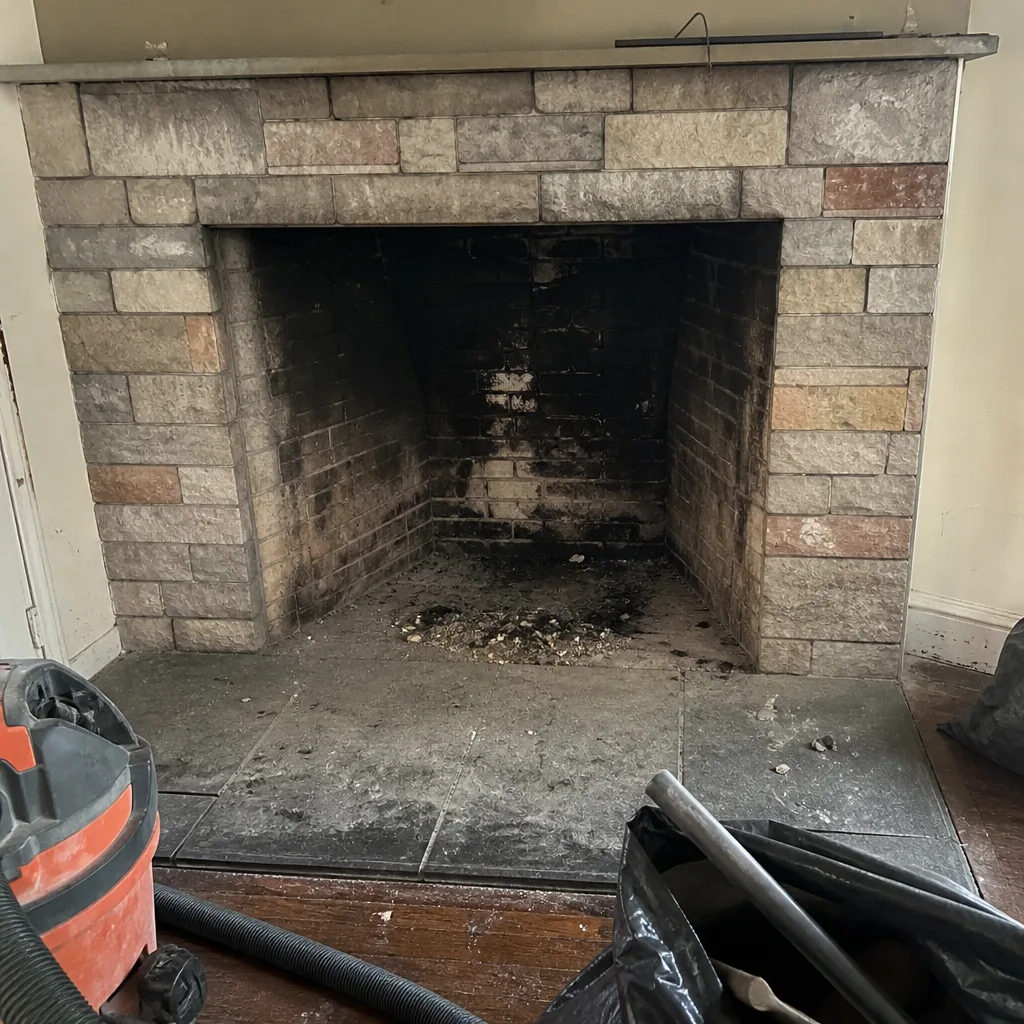 Before
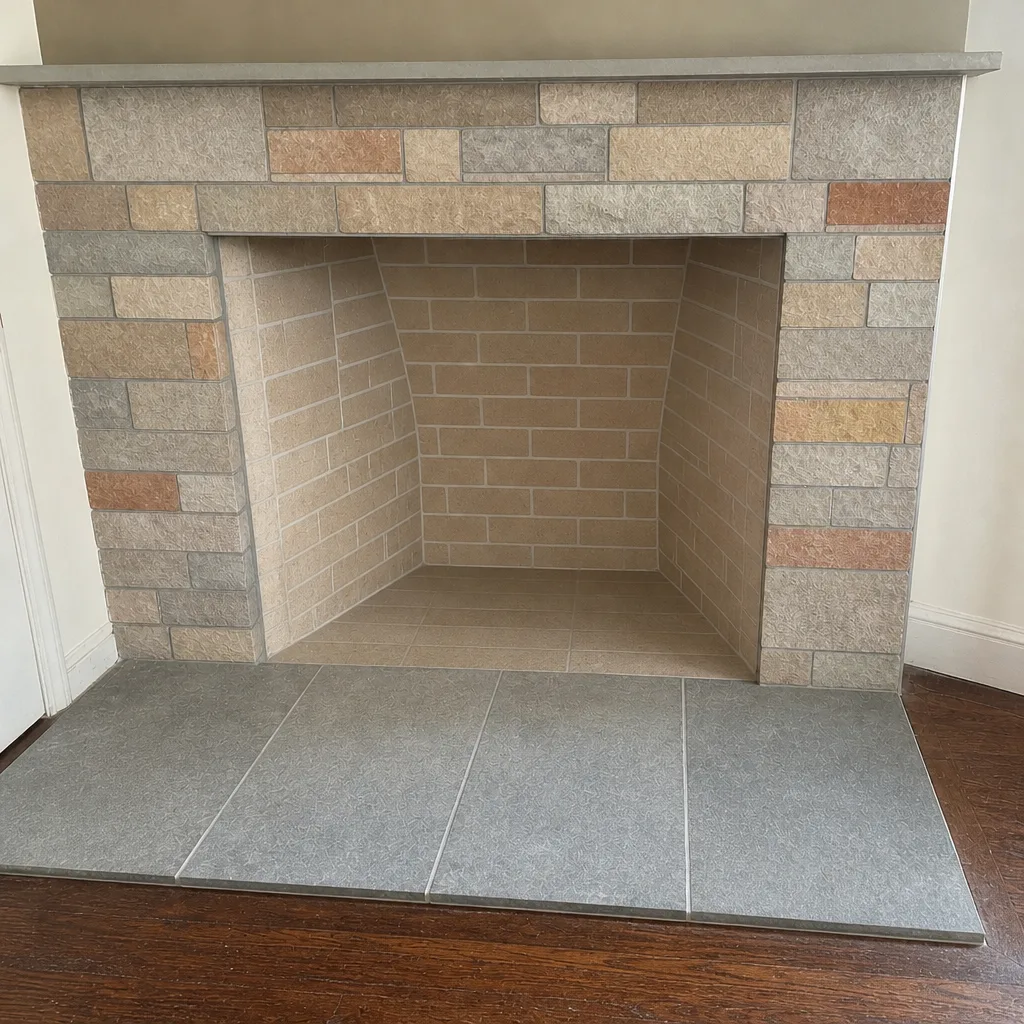 After
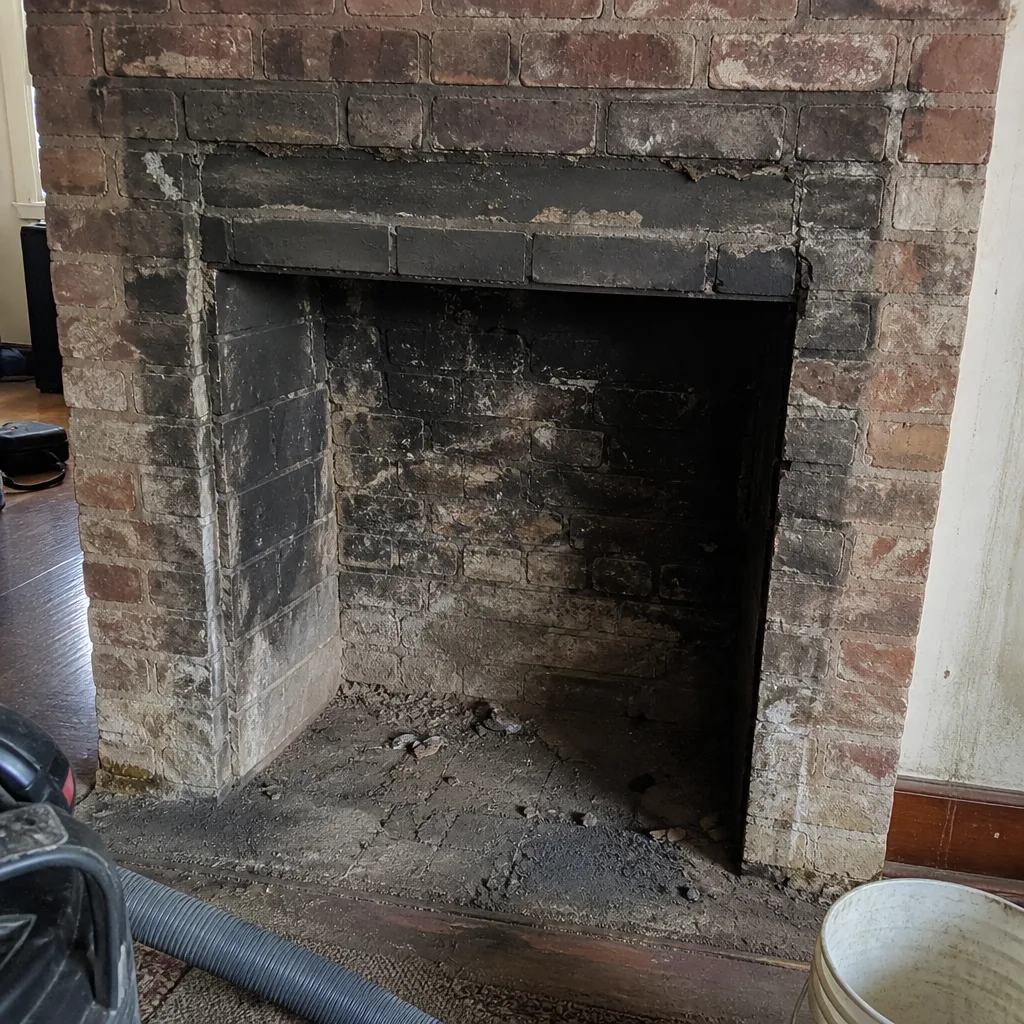 Before
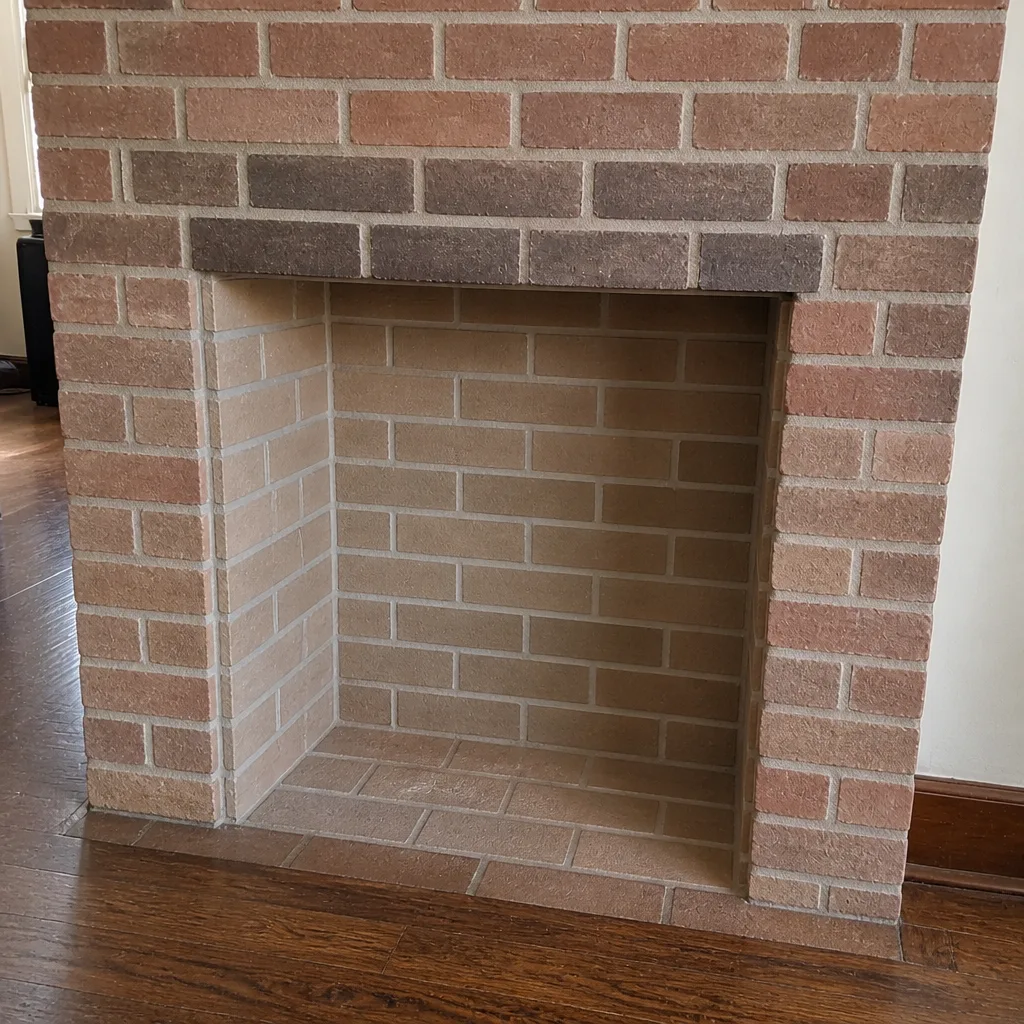 After
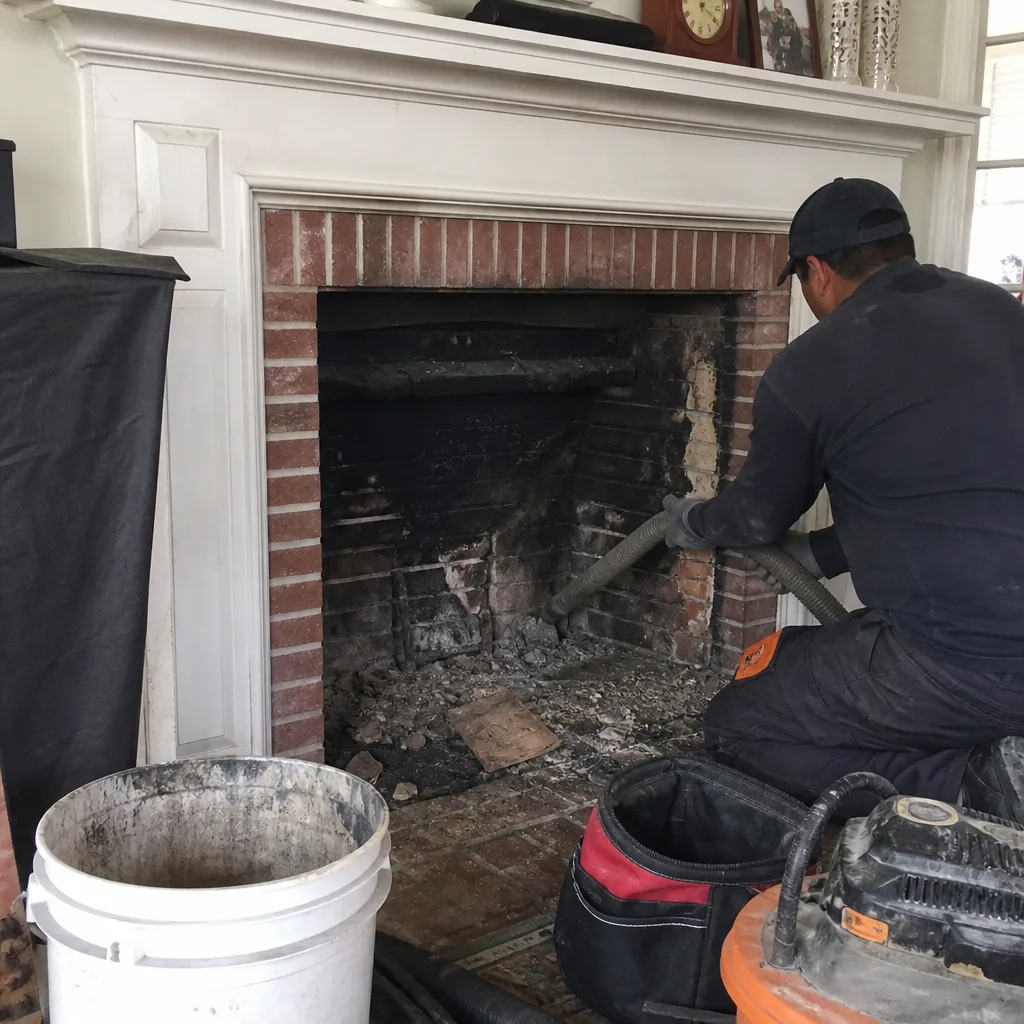 Before
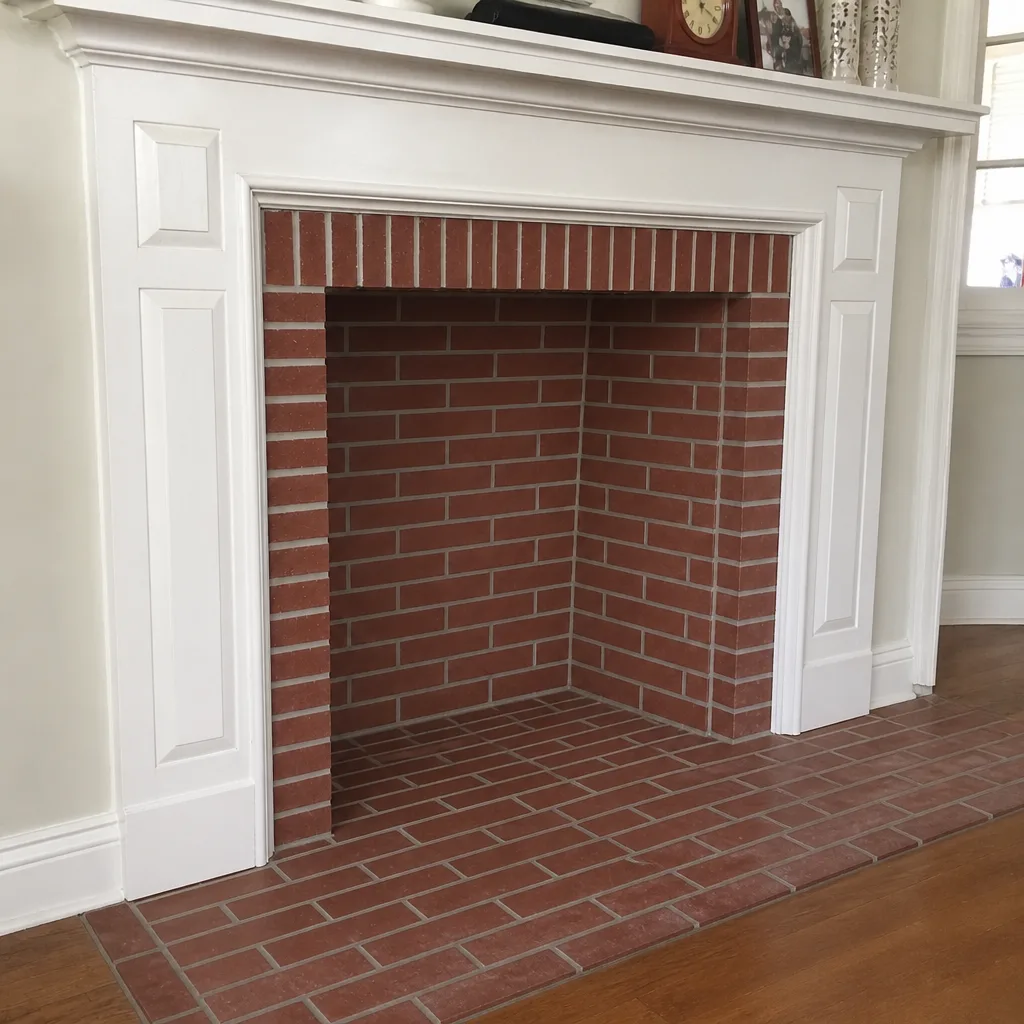 After
When to Call a Professional
Some warning signs are handled by booking a routine sweep, and some are handled the same day. Call us for a professional visit when any of the following applies: a visible white or chalky stain on exterior masonry; brick faces flaking off; smoke rolling into the room more than 30 seconds after a cold start; a smoky smell in any room adjacent to the chimney wall; soot on the damper frame or mantel facing; audible ticking, popping, or whistling from the firebox or chase; any sign you suspect a past chimney fire; or a fireplace or heating appliance that hasn’t been swept in more than one burning season.
For any of these, Chimney Sweep Northeast Philadelphia offers free estimates in Northeast Philadelphia. A sweep and camera inspection carry the flat price quoted before booking, and the written estimate sets the final price for any repair that comes up. Call (855) 658-4023. We answer 24/7. Fast dispatch from 7am to 7pm, Sunday through Friday. If you call outside dispatch hours, we’ll book you into the next opening.
Frequently Asked Questions
The earliest signs are usually visual and easy to miss: a thin black glaze or flaky buildup inside the firebox, a chalky white stain on exterior brick, and a slight smoky smell in the room when no fire is burning. Smoke spilling on a cold start is also an early signal, and so is soot shadowing along the damper frame. Any one of these is enough to book a sweep. Call (855) 658-4023 for an exact quote; estimates are free.
A chimney should be swept at least annually, and more often if it’s used heavily or has a history of heavy creosote. Annual sweeping is the baseline because the inspection that comes with it is how developing liner and crown problems get caught before they need repair work. A fireplace used every winter in Northeast Philadelphia is the standard case for an annual visit. Call (855) 658-4023 to book a sweep; estimates are free.
No. The cleaning itself is done with brushes and drop cloths, but the actual diagnostic value comes from the camera inspection of the flue and the exterior check of crown, cap, flashing, and mortar joints. Those require a trained technician with the right equipment, and a home brush kit can’t tell you whether the clay tile liner has cracked. Call (855) 658-4023 and let a technician inspect and sweep in a single visit.
A smoky smell in a room adjacent to the chimney wall, and not in the fireplace room itself, is a specific signal that the chimney chase has lost integrity. Gases escaping the flue can migrate through the wall cavity and emerge where they find a gap. It’s not necessarily a fire risk in itself, but it’s an integrity issue that needs to be found and repaired. Call (855) 658-4023 to schedule an inspection; estimates are free.
Yes. That white chalky stain is efflorescence, and it means water is moving through the masonry and leaching minerals out as it dries. Usually the water source is a cracked crown, a missing cap, or failing flashing; often, by the time you can see it from the street, the mortar joints inside the liner have already started to deteriorate. Call (855) 658-4023 for a diagnostic visit; estimates are free.
Chimney fires don’t always announce themselves with a roar. If the inside of the flue looks puffy, charred, or has a gloss on burned creosote, that’s evidence of past fire activity even if a homeowner never noticed one. The only reliable way to know is a camera inspection of the liner. Call (855) 658-4023 and we’ll document the flue with a photo report you can review yourself. Estimates are free.
The Bottom Line
Chimney failures are quiet. The dramatic version, with smoke pouring from the roof, is rare. What happens most often is what we’ve covered here: a white stain, a faint smell in the wrong room, a ticking sound that starts a fire and stops, a thin soot shadow on the damper frame. Those are the signals, and they layer. By the time one becomes obvious, the damage behind it has usually started somewhere else. Read your system, document what you see, and book a routine sweep on a schedule rather than a panic. If any of the signs in this guide are present, get a camera inspection and a photo report you can verify. A fireplace is a controlled fire inside your home and it deserves to be treated that way, with a full-system specialist who handles the sweep, the cap and crown, the liner, the rebuild, and the firebox as one connected system. For experienced technicians and trade-grade materials from brands like DuraFlex and HeatShield, call (855) 658-4023 for a free estimate. We answer 24/7. Fast dispatch from 7am to 7pm, Sunday through Friday.
Written by the team at Chimney Sweep Northeast Philadelphia.