
Last updated November 22, 2026
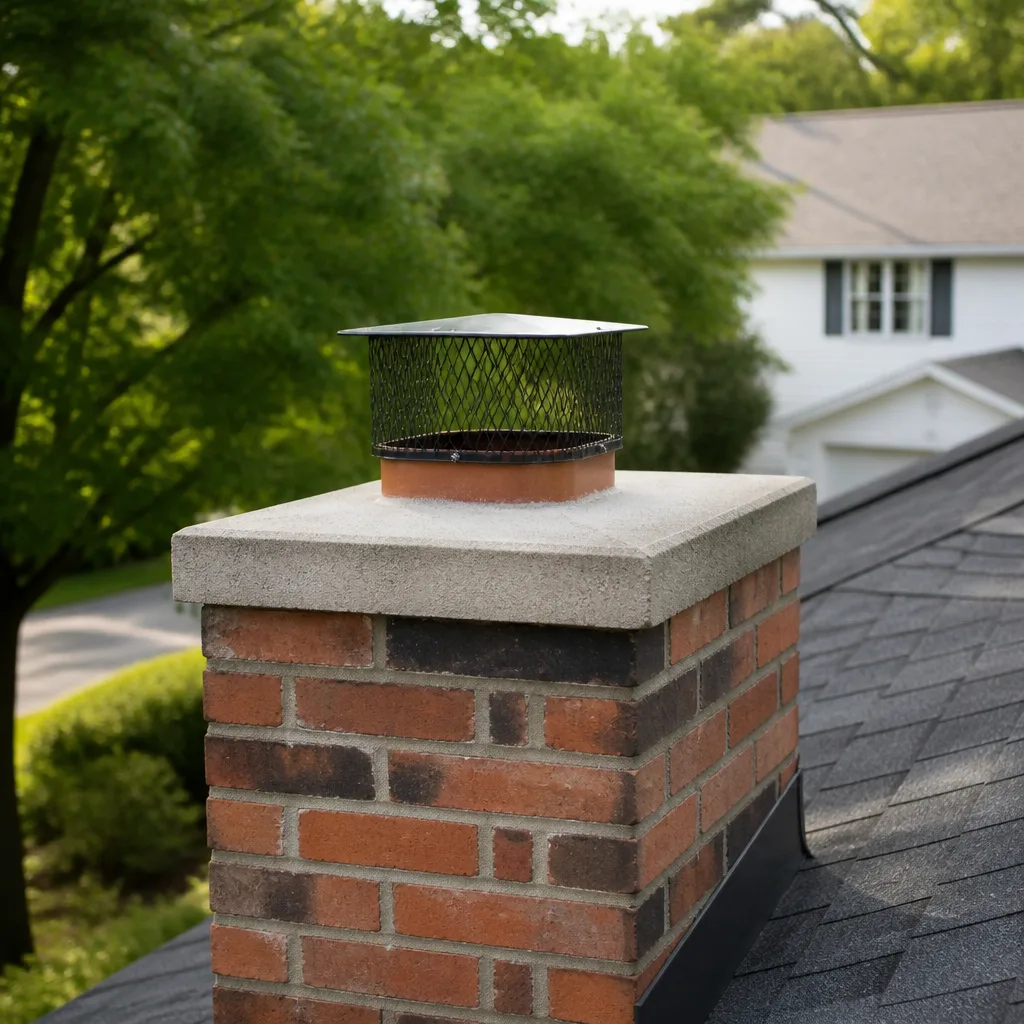 Sweep & inspection
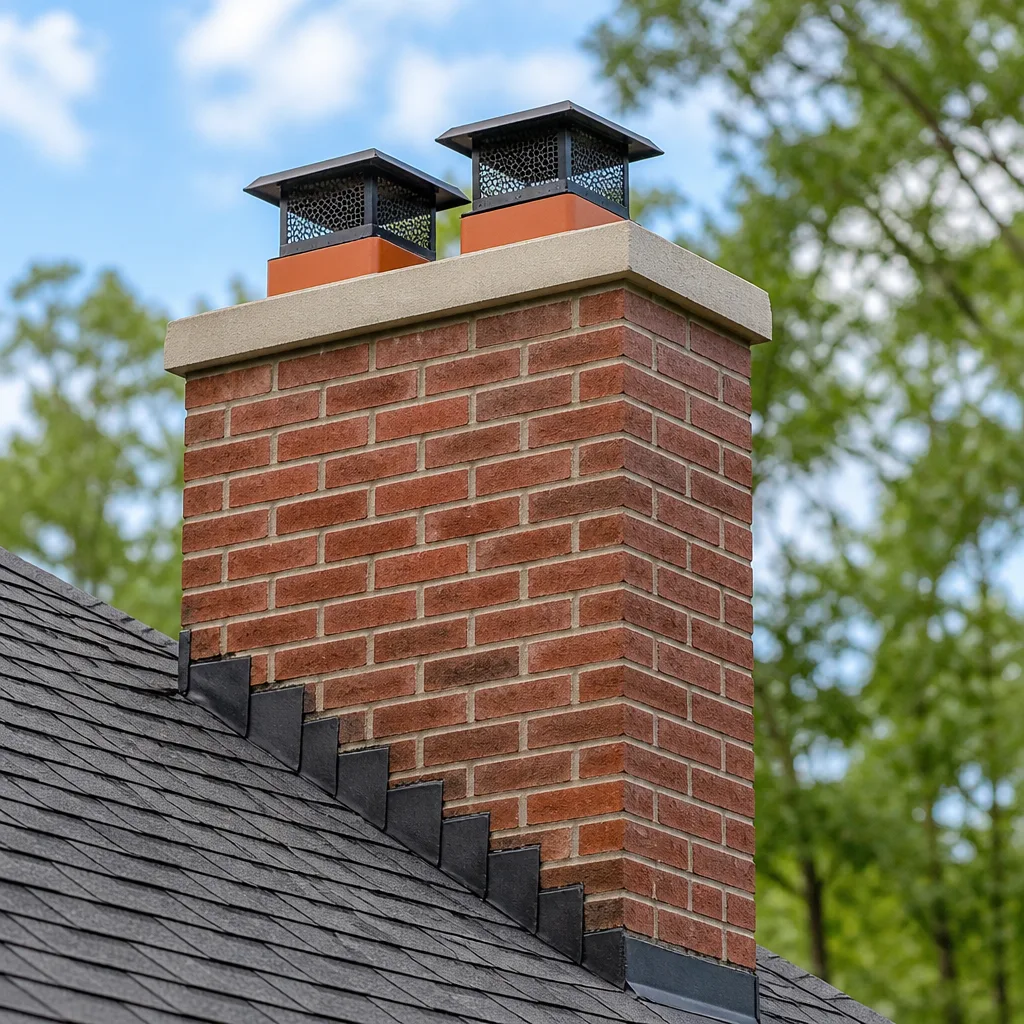 Caps & crowns
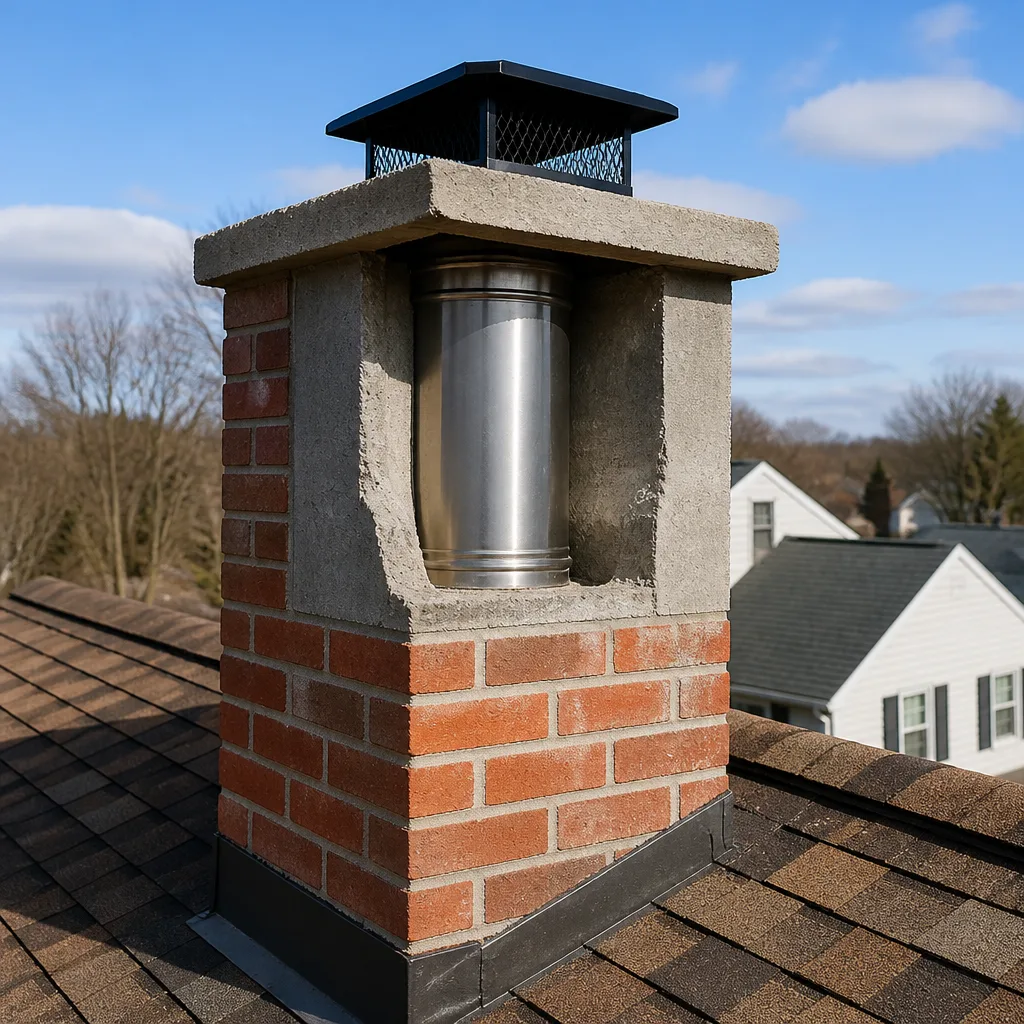 Flue relining
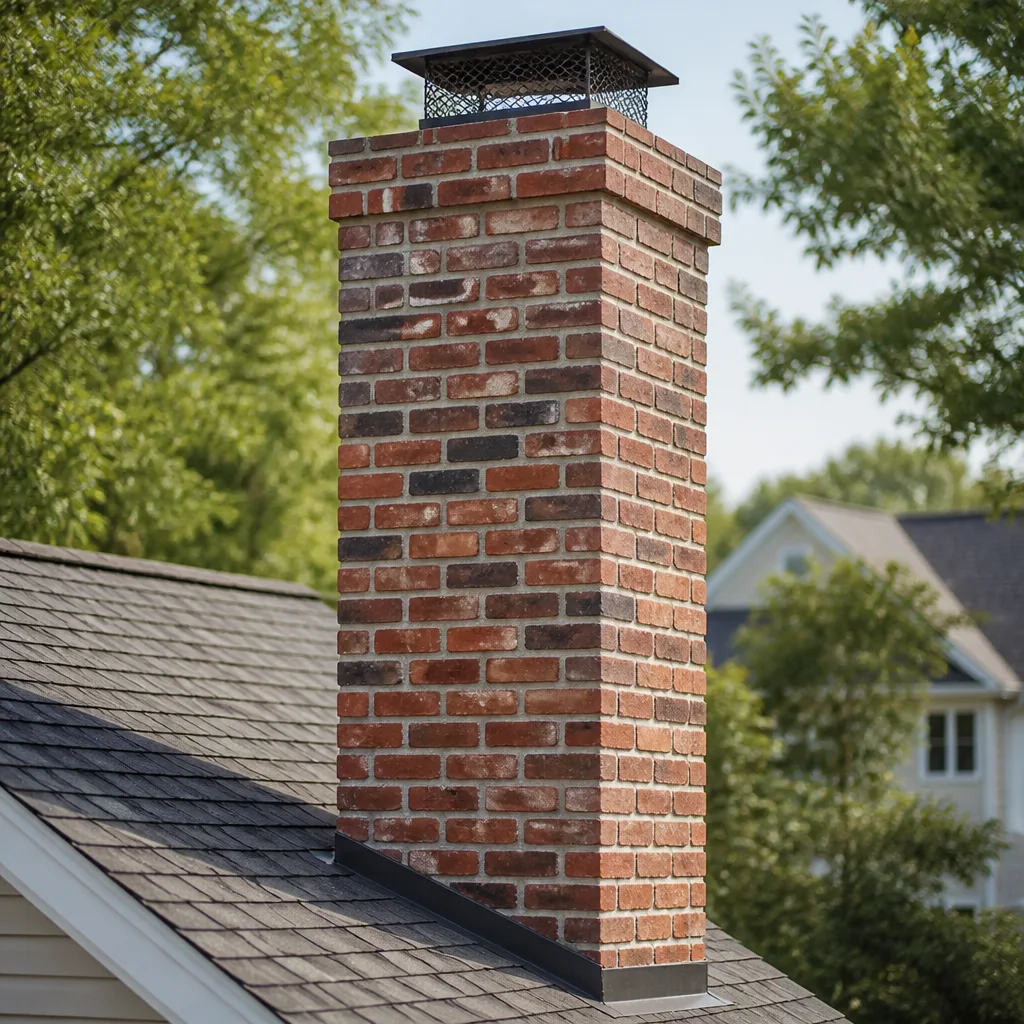 Masonry repair
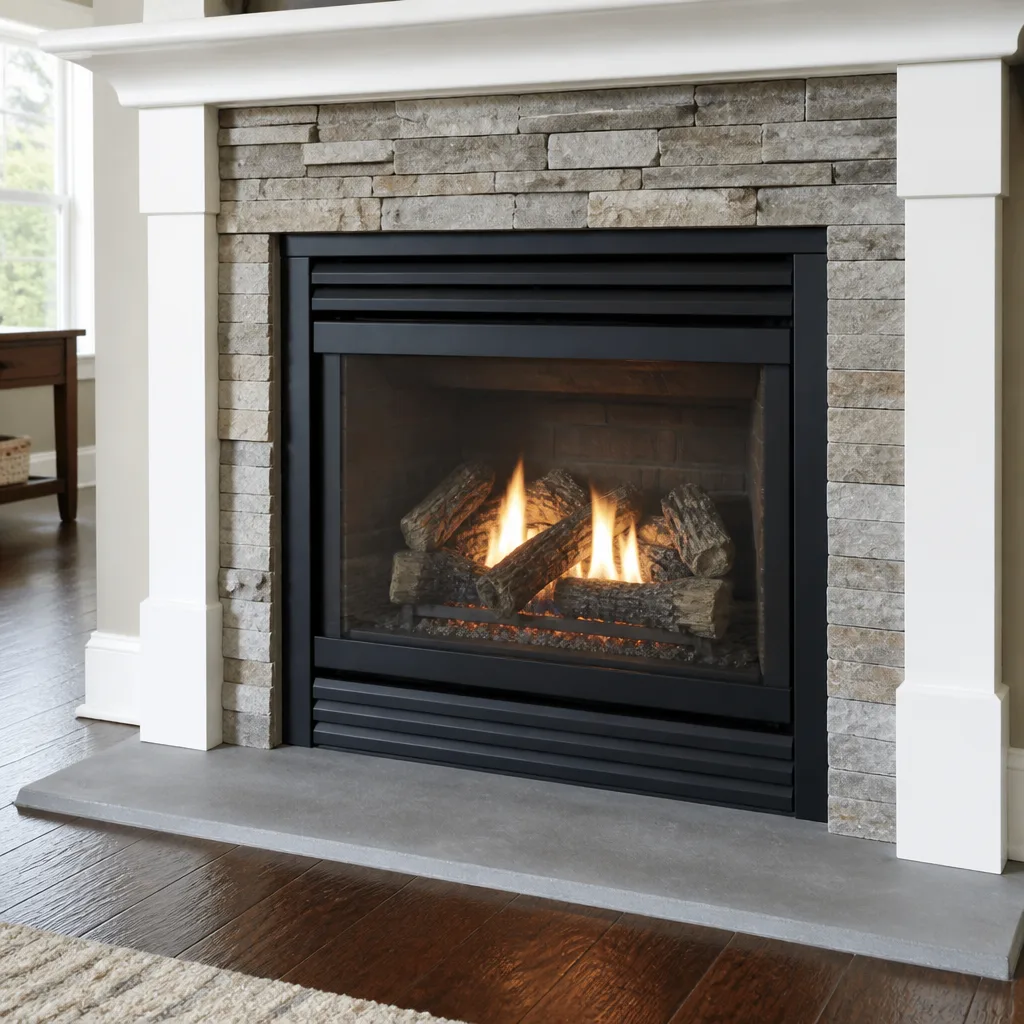 Gas fireplace service
Level 1 sweep and inspection to the NFPA 211 annual standard - flue, crown, cap, and flashing checked and photographed
Chimney sweep logs do not sweep chimneys. They loosen some creosote - which then falls where a brush and vacuum still have to collect it.
Chimney Cleaning Emergency Preparedness Guide for Northeast Philadelphia Homes
Most people picture a chimney fire as a roar with flames shooting from the top. In a heavily sooted flue, it often isn’t. A slow-burn fire can creep along the creosote for hours, sounding like distant rumbling and showing up only as a faint smoky smell in the room. All the while it’s reaching temperatures hot enough to crack clay tiles and warp a liner before anyone thinks to call 911. That gap between what a chimney emergency looks like and what people expect is where homes get hurt. This guide gives you the response protocol for all three real chimney emergencies – fire, carbon monoxide, and sudden blockage – so the right steps are already in your head before a Northeast Philadelphia homeowner ever needs them.
Quick Answer
For a suspected chimney fire: close the air supply to the firebox, get everyone out of the house, and call 911 from outside. For a carbon monoxide alarm with a wood-burning or gas appliance running, treat it as a real event – evacuate and call 911, then have the chimney inspected before you use it again. For a sudden blockage (soot fall, animal nest, debris), stop using the fireplace and book a chimney sweep for a camera inspection. Every one of these three ends the same way: no fire in that fireplace until a professional has looked at the flue.
Styles & brands we work with
- Sweep & inspection
- Caps & crowns
- Flue relining
- Masonry repair
- Gas fireplace service
Table of Contents
- The Three Chimney Emergencies and How They Differ
- Chimney Fire: The Three-Step Immediate Response
- Slow-Burn Versus Fully Involved: Reading the Signs
- After the Fire: Why a Level 3 Inspection Comes First
- Carbon Monoxide Scenarios Specific to Northeast Philadelphia Housing
- What to Tell the Fire Department and What to Collect for Insurance
- The Emergency Service Call Checklist
- Preventing the Emergency in the First Place
The Three Chimney Emergencies and How They Differ
Chimney emergencies in Northeast Philadelphia fall into three categories, and each one has its own protocol. Getting them mixed up is the most common reason a bad situation gets worse. Fire needs you out of the house and the air supply cut. Carbon monoxide needs fresh air, evacuation, and a call to 911 – and often it produces no visible sign at all. Blockage needs you to stop burning and get the flue looked at before the next fire.
Here’s how the three compare at a glance:
- Chimney fire: You may hear rumbling, roaring, or ticking; see sparks or flames at the top; smell a hot, acrid smoke; or notice the flue pipe glowing. Response: cut air, evacuate, call 911.
- Carbon monoxide event: CO alarm sounds, or occupants feel headache, dizziness, nausea, or confusion. CO is invisible and odorless. Response: evacuate, call 911, ventilate only after everyone is out.
- Sudden blockage: Smoke rolls back into the room, the fire won’t draw, or you hear debris falling in the flue. Response: extinguish the fire safely, stop using the fireplace, book an inspection.
What ties all three together is the flue. Your chimney handles heat, gas, and debris – it deserves a specialist, not a generalist. The difference between a scary evening and a damaged house usually comes down to whether the right protocol started in the first two minutes.
Chimney Fire: The Three-Step Immediate Response
If you believe your chimney is on fire, do these three things in this order. Don’t improvise. Don’t try to fight it from inside the firebox. Don’t open windows “to let the smoke out.”
- Close the air supply. Shut the glass doors if you have them, and close the damper only if you can reach it safely from outside the firebox. Cutting oxygen is the single most effective thing you can do to slow a chimney fire.
- Evacuate everyone. Get every person out of the house, including anyone upstairs. Take your phone. Close the door behind you but leave it unlocked for the fire department.
- Call 911 from outside. Tell the dispatcher you believe you have a chimney fire at a specific address. Stay outside until the fire department clears the building.
Two things make a chimney fire worse, and both are common mistakes. First, opening windows or doors near the fireplace feeds oxygen to a fire that’s starving for it. Second, discharging a fire extinguisher up into the fireplace rarely reaches the fire where it actually lives – in the flue above the damper – and it can push superheated gases and debris back into the room. Let the fire department handle suppression. Your job is to starve the fire and get out.
We’ve seen the aftermath of both approaches across Northeast Philadelphia rowhouses. The homes that came through with the least damage were the ones where the family cut the air and left, not the ones where someone stayed to fight it.
Slow-Burn Versus Fully Involved: Reading the Signs
A slow-burn chimney fire is the one that fools people. It doesn’t roar. It doesn’t throw flames from the top. In a flue with heavy creosote buildup, it can burn quietly along the liner for an extended period, producing a low rumbling sound like a distant train, a faint hot smell, or a slight haze in the room. The problem is that even a “quiet” chimney fire reaches temperatures high enough to crack clay tiles, distort a stainless liner, and damage the mortar joints around them.
Here’s how the two presentations compare:
- Slow-burn fire: low rumbling, faint smoke odor, no visible flames, possibly a warm chimney breast. Sounds almost harmless. It is not.
- Fully involved fire: loud roaring, visible flames or sparks at the crown, dense smoke, a glowing or discolored flue pipe, and sometimes a “ticking” or “popping” sound as metal expands. Unmistakable.
Both require the same next step: no fire in that fireplace until it’s been inspected. A slow-burn event can look fine from the living room and still leave the liner compromised. In our experience, the slow-burn events inside older Northeast Philadelphia housing stock are the ones that surprise homeowners most, because the fire never announced itself.
After the Fire: Why a Level 3 Inspection Comes First
Once the fire is out and the fire department has cleared the building, the priority shifts to inspection. A fire event – even a small one – calls for a Level 3 inspection, which goes beyond the flue and looks at concealed areas of the chimney structure: the space around the liner, the attic and roof connections, and any hidden damage the fire may have caused. A standard annual sweep or a Level 1 visual check won’t catch what a fire event can leave behind.
In our work, that Level 3 inspection typically covers:
- The condition of the flue liner – clay tile cracks, spalling, or gaps at the joints.
- The firebox and damper assembly, since heat can warp or crack either.
- The smoke chamber and the transition into the flue.
- Surrounding masonry, mortar joints, and any combustible material close to the flue.
- The crown and cap, which can be damaged by heat or debris from the event.
If the liner is compromised, there are real repair options, and we stock the professional-grade brands that handle them. A deteriorated clay tile liner can often be resurfaced with HeatShield, a product-specific solution that most sweep-only companies don’t offer. Where the damage is more than resurfacing can address, a DuraFlex flexible stainless liner handles retrofits in older homes without tearing out masonry. We use Gelco and Olympia Chimney components where they’re the right fit for the flue. Point is: you shouldn’t be told the liner “needs replacing” without seeing the evidence yourself. A proper inspection includes a camera view and a photo report.
Carbon Monoxide Scenarios Specific to Northeast Philadelphia Housing
Carbon monoxide from a chimney system is a real risk in this part of the city, and it’s shaped by the housing. Northeast Philadelphia has a lot of rowhouses and older single-family homes, often with narrow side yards and shared walls. That layout creates three CO scenarios worth knowing.
Blocked flue terminals from adjacent construction
When a neighboring rowhouse is being worked on, debris, mortar, or tarping can compromise an adjacent chimney terminal. If your flue cap or terminal is partially obstructed, exhaust can back up into the house. Symptoms: draft problems, smoky smell, or a CO alarm with the appliance running.
Animal nesting
Squirrels, birds, and raccoons treat uncapped chimneys as real estate. A nest in the flue is a blockage, and a blockage means exhaust has nowhere to go but into the living space. A properly fitted cap – we use Famco and Copperfield caps where the fit calls for them – closes that door. If your cap is missing or damaged, it’s also a straightforward chimney cap & crown project.
Negative pressure from weatherization
Tightening up a house – new windows, new insulation, added air sealing – reduces the air the house draws in. In a smaller Northeast Philadelphia rowhouse, a tightly sealed kitchen exhaust fan or a bathroom fan can pull harder than the chimney can draft. The result is negative pressure in the living space, and the flue exhausts backward into the room. If you notice a smoky smell when the dryer or bath fan runs, that’s the pattern.
If any of those are happening, stop using the appliance, evacuate, and call 911 if the CO alarm is sounding. If you’re just seeing draft problems, treat it as a scheduled inspection, not a routine one. Whatever the cause, we find it with a camera, not a guess, and a chimney repair plan comes from what the camera actually shows.
What to Tell the Fire Department and What to Collect for Insurance
When the fire department arrives at a chimney fire, the right information helps them deploy the right equipment. Get the basics out in one calm pass:
- Confirm what type of chimney and appliance (wood-burning fireplace, insert, or gas) is involved.
- Say clearly whether the fire is at the flue, at the firebox, or at the exterior top and crown.
- Tell them whether anyone is still inside, and where the nearest hydrant is.
- Note whether the house shares walls with a neighbor (common in Northeast Philadelphia rowhouse blocks).
- Mention if the flue has a liner type you know of (stainless liner vs. clay tile), and whether the flue is unlined.
For insurance, ask the officer or investigator for the fire incident report number and a copy of the report. If the fire marshal attends, get the marshal’s report as well. Photograph the firebox, the flue opening, the crown, and any visible interior smoke damage before cleanup, and keep any damaged components – a failed cap, a section of liner if it’s removed – in case the insurer wants to see them. Insurers want the cause, the scope, and documentation; a proper post-event inspection report from a chimney specialist becomes part of that file.
The Emergency Service Call Checklist
If a technician is coming out for a post-event inspection or to clear a blockage, a few things in advance make the visit faster and more useful. Have these ready:
- Fire department report number if there was a fire event, plus any marshal report.
- Do not disturb the firebox. Leave ash, debris, and any fallen material where it landed after the event. It’s evidence of what happened and it tells the technician a lot.
- Note when the event started and when it ended – approximate is fine. Duration helps assess heat damage.
- Clear access to the firebox, the damper area, the roof, and any basement cleanout if you have one.
- List your appliances on that flue: fireplace, insert, wood stove, gas log set. Different appliances need different inspection points.
- Have your insurance info and policy number if you plan to file a claim.
- List any previous repairs – cap replacement, liner work, crown work – and any brand names you remember. It helps us match the inspection to the system.
Our technicians have up to 13 years of experience on full-system chimney service, from the firebox to the crown, and a camera inspection with a photo report comes standard. You see what we see. That’s the answer to the biggest worry most homeowners have after a chimney emergency: being told they need thousands of dollars of liner or masonry work they can’t verify. Nothing gets recommended without camera evidence you can look at yourself – and when the safe move is to wait, we say so plainly.
Preventing the Emergency in the First Place
Almost all of the emergencies this guide covers are preventable with routine maintenance. The single most important one is an annual Chimney Sweep Northeast Philadelphia and inspection before the burning season starts. Creosote is the fuel for chimney fires; soot and debris are the raw material for blockages. A sweep removes both, and an inspection catches liner damage before the fire happens, not after.
Some specific things to check on your own, on a schedule:
- Cap in place? A fitted cap keeps animals, water, and debris out of the flue. If it’s missing or damaged, that’s a fast fix.
- Crown intact? Cracks in the crown let water into the masonry, which degrades everything below it. Small crown repair today prevents major rebuilds later.
- CO alarms working? Test them and replace batteries on the manufacturer’s schedule, and keep one within reach of the bedrooms.
- Draft check: Light a match near the open damper before you light the fire. If the smoke doesn’t go straight up, don’t light it.
- Creosote check: A professional can tell you how much creosote has accumulated; the visible buildup above the damper is only a piece of the picture.
DuraFlex liner upgrades, HeatShield resurfacing, and proper cap and crown work all extend the life of the system – but they start with an inspection that tells you what your chimney actually needs. We work with Gelco, Olympia Chimney, Famco, and Copperfield because each product has a specific job to do in a specific flue, and matching them correctly is part of doing the job right.
Common Mistakes to Avoid
- Opening windows or doors near the fireplace during a chimney fire. That feeds oxygen to a fire that needs to be starved. Close the air supply and get out instead.
- Shooting a fire extinguisher into the fireplace. It rarely reaches the flue and can push superheated material back into the room. Let the fire department handle it.
- Relighting the fireplace the next morning. Even if it “looked small,” a fire event calls for a Level 3 inspection before you burn again. Don’t skip it because the room smells fine now.
- Assuming a rowhouse neighbor’s construction can’t affect your flue. In Northeast Philadelphia rowhouse blocks, adjacent work can obstruct or compromise shared-wall chimney terminals. If the work next door caused draft problems, get inspected.
- Ignoring a CO alarm that “went off once and stopped.” Carbon monoxide doesn’t need to repeat itself. Treat any alarm as a real event, evacuate, and get the appliance inspected.
- Cleaning ash and debris out of the firebox after a chimney fire before the technician sees it. That debris tells the story of what happened and how hot the event ran.
- Choosing a sweep-only company for post-fire work. Liner inspection, resurfacing, and masonry repair are part of the same conversation; keeping it in one set of hands avoids getting contradictory answers.
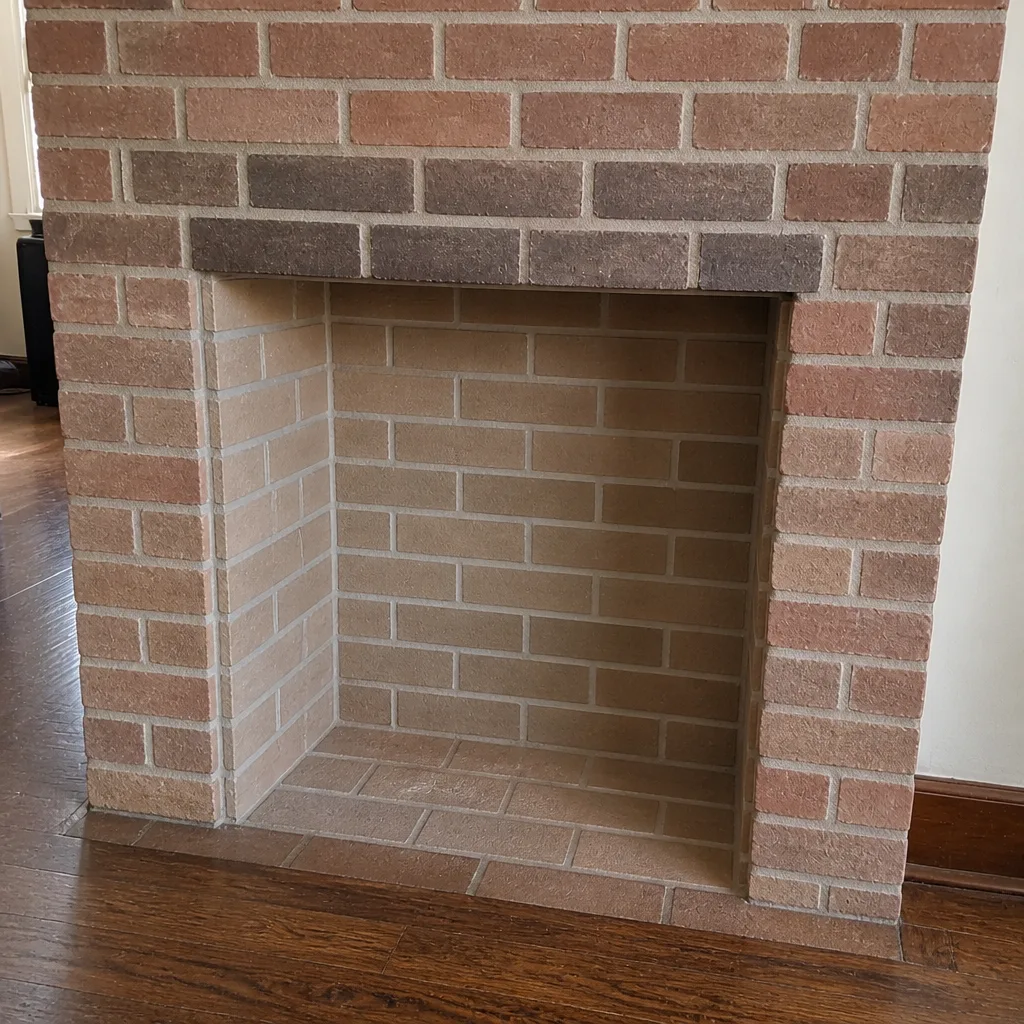
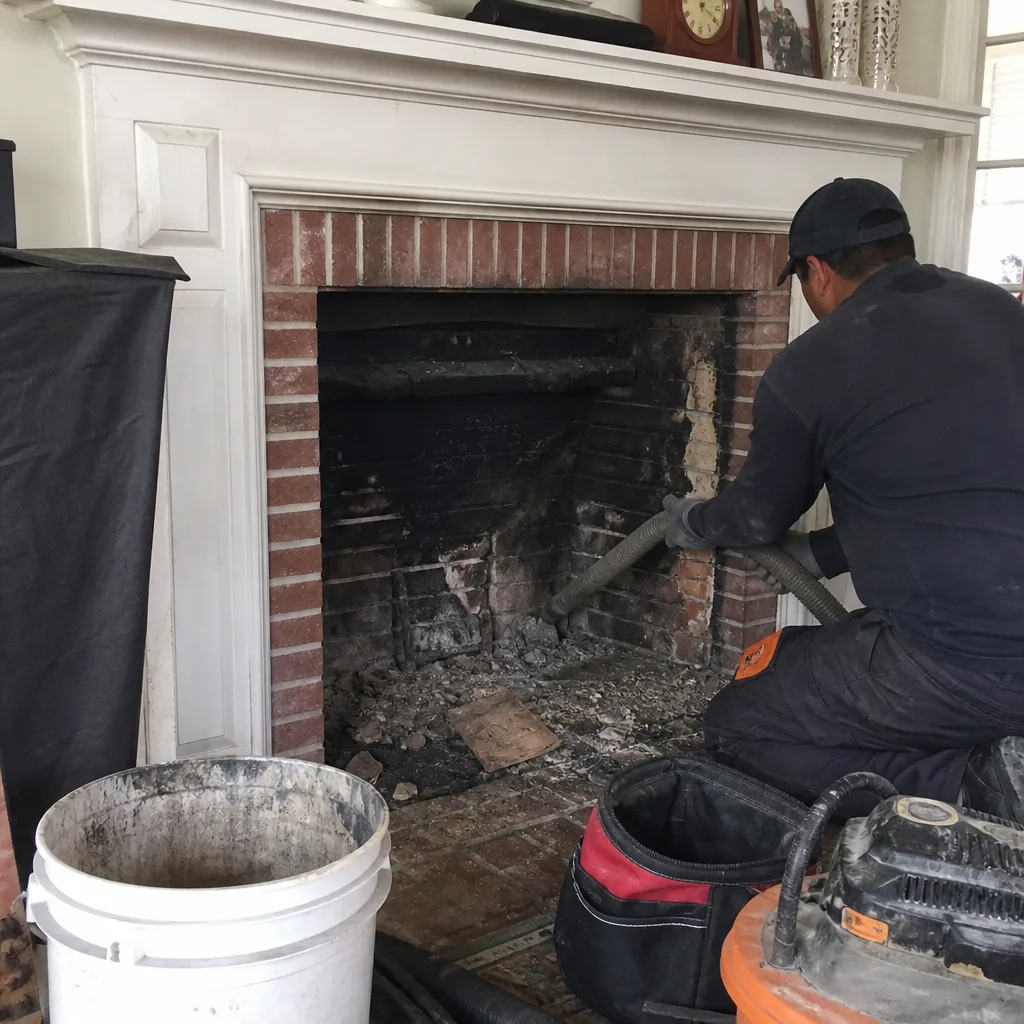
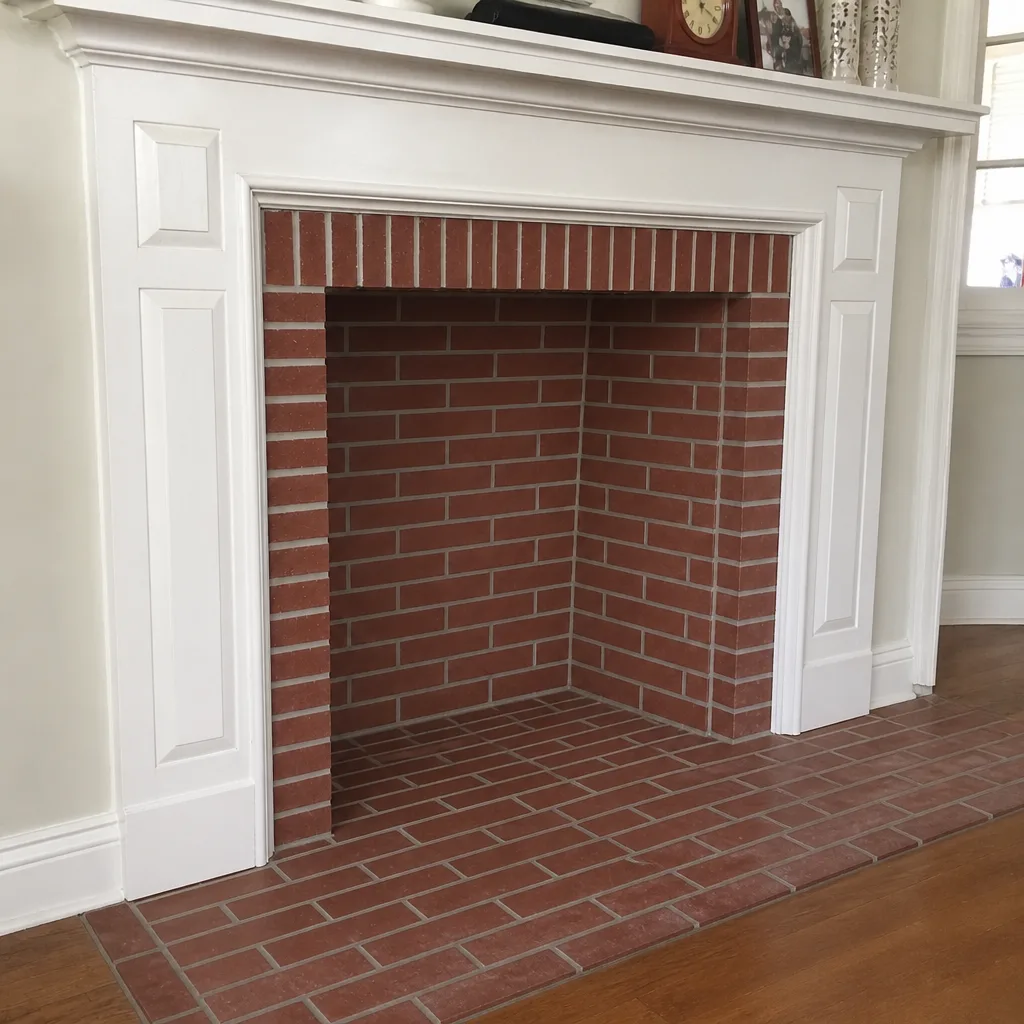
See the difference
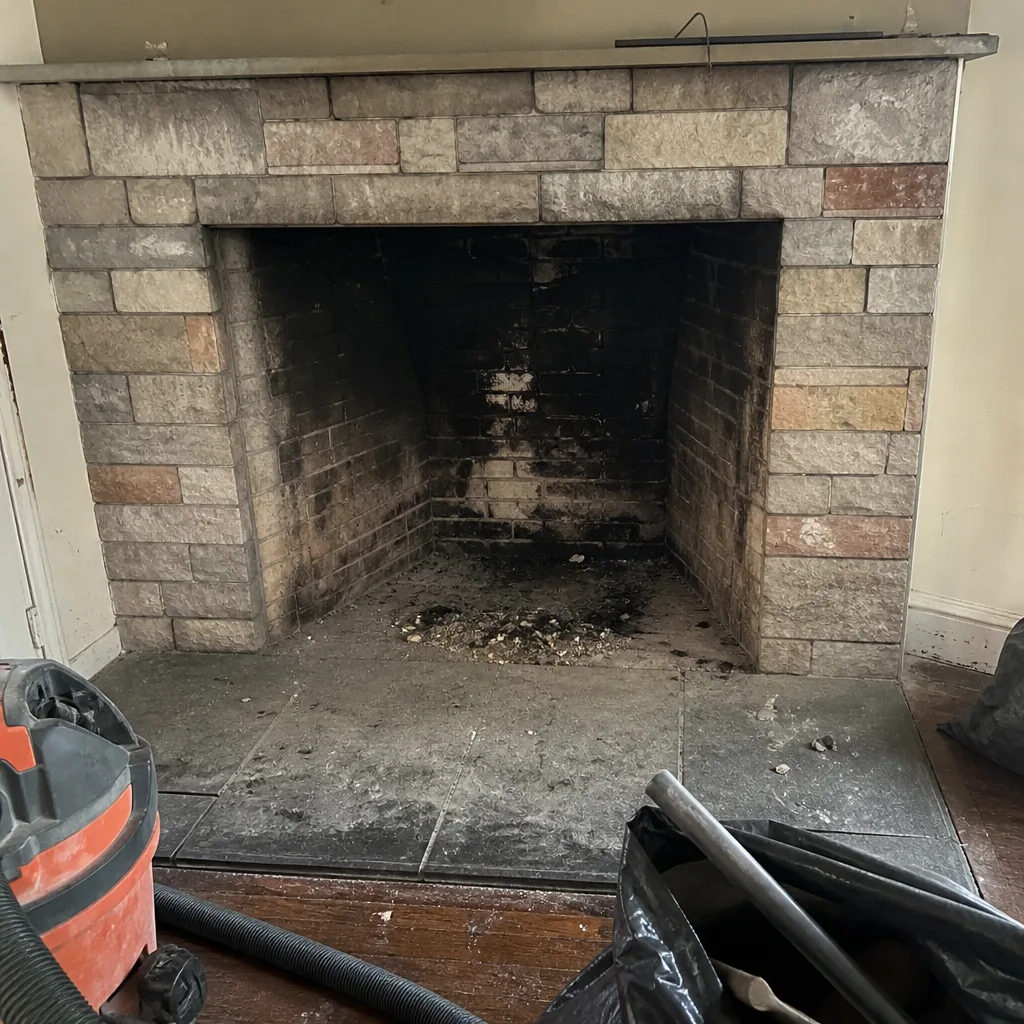 Before
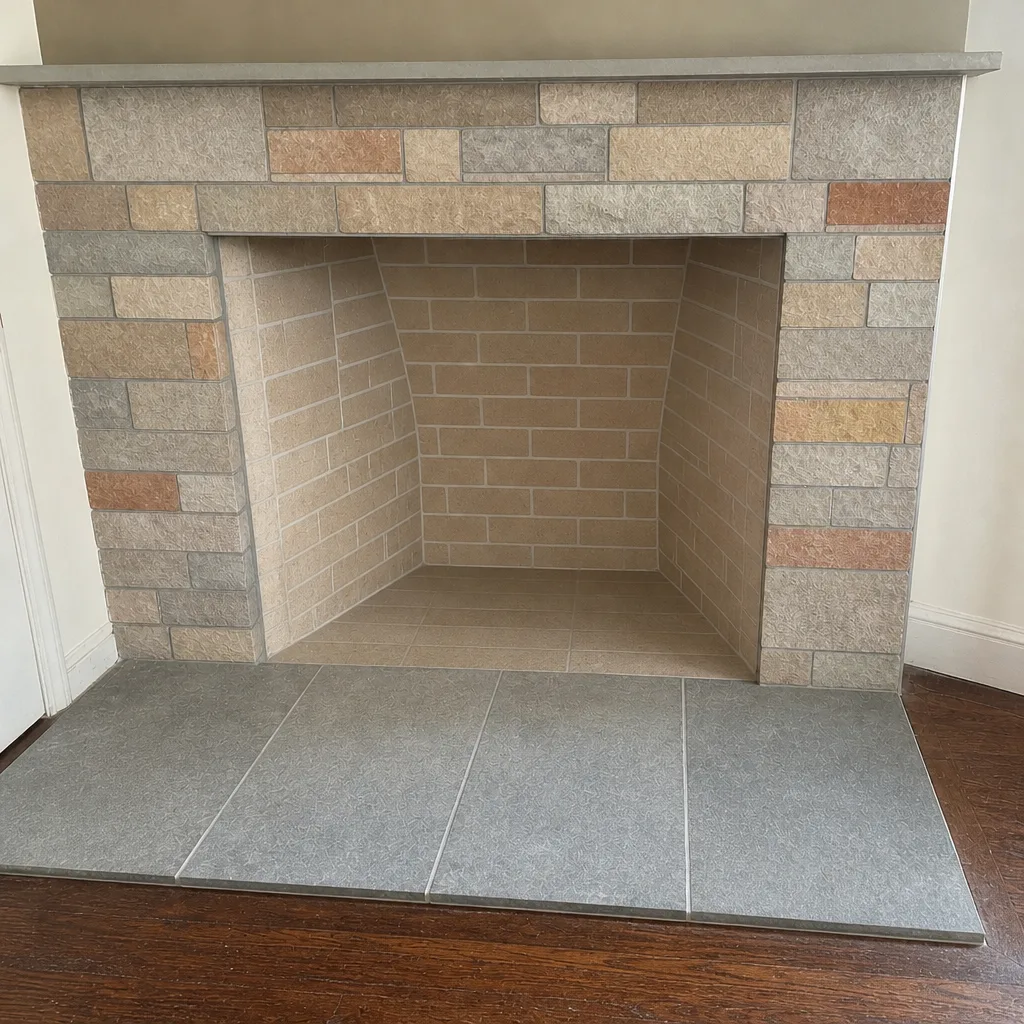 After
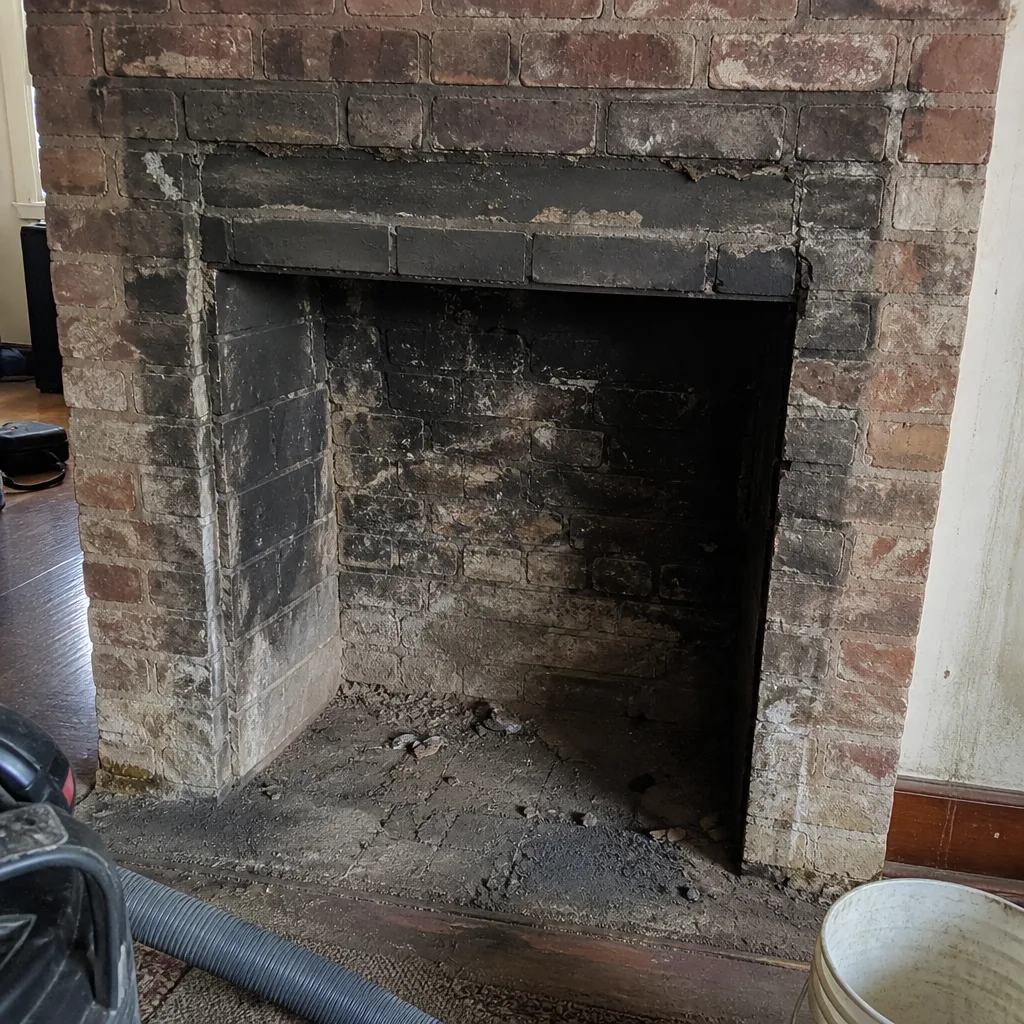 Before
 After
 Before
 After
When to Call a Professional
Call a professional any time the flue has been through a fire event – even a suspected slow burn. Call after a CO alarm sounds, after storm damage to the cap or crown, if the fireplace won’t draft, if debris falls into the firebox, or if it’s been a full burning season since your last inspection. If you’re unsure whether it’s an emergency, err toward the call; the inspection is fast, and it tells you something either way. If you hear rumbling or smell a hot smoke odor right now, evacuate and call 911 first, then call us for the post-event inspection. Chimney Sweep Northeast Philadelphia offers free estimates in Northeast Philadelphia – call (855) 658-4023. We answer 24/7. Fast dispatch from 7am to 7pm, Sunday through Friday.
Frequently Asked Questions
Close the air supply to the firebox, get everyone out of the house, and call 911 from outside. Don’t open windows or doors near the fireplace – that feeds the fire. Don’t try to fight it from the firebox with an extinguisher. Once the fire department clears the building, book a Level 3 inspection before you use the fireplace again. Call (855) 658-4023 for an exact quote on the inspection – estimates are free.
A slow-burn chimney fire shows up as low rumbling, a faint hot smoke odor, or a warm chimney breast, without visible flames. A smoky fireplace usually shows as spillage or a puff of smoke at the opening with no heat or sound. If there’s any rumbling or a smell of hot smoke, treat it as a fire event and get inspected. Call (855) 658-4023 for an exact quote on the inspection – estimates are free.
A Level 3 inspection is the right call after any chimney fire, because heat damage often lives in concealed areas a standard sweep won’t see. It examines the flue liner, the space around it, the attic and roof connections, and surrounding masonry. Without that inspection, you’re burning into a flue whose condition is unknown. Call (855) 658-4023 for an exact quote – estimates are free.
Yes, and the risk is shaped by the housing. Blocked flue terminals from adjacent construction, animal nesting in an uncapped flue, and negative pressure from weatherization in a tightly sealed rowhouse are the three common scenarios here. A CO alarm with an appliance running means evacuate and call 911 first, then book an inspection. Call (855) 658-4023 for an exact quote – estimates are free.
Have the fire department report number, any marshal report, insurance info, and a written note of when the event started and ended. Leave the firebox undisturbed – the ash and debris tell the technician what happened. Clear access to the firebox, damper, and roof, and list all appliances on that flue. Call (855) 658-4023 for an exact quote – estimates are free.
Coverage depends on your policy, but the documentation from the fire department and a post-event inspection report will make the claim process clearer. Get the fire incident report number on the night of the event, photograph the firebox and flue opening, and keep any damaged components. A camera inspection with a photo report becomes part of that file. Call (855) 658-4023 for an exact quote – estimates are free.
The Bottom Line
Chimney emergencies in Northeast Philadelphia come in three forms – fire, carbon monoxide, and blockage – and each one has its own immediate protocol. For fire: cut the air, evacuate, call 911. For CO: evacuate, call 911, then inspect. For blockage: stop burning and book a camera inspection. Slow-burn fires are the sneakiest, because they don’t look like what people expect. The response after any of these events is the same: a proper inspection before the fireplace is used again. Prevention is a sweep and inspection before the burning season, plus a cap that fits, a crown that’s intact, and CO alarms that work. None of that is complicated – it just has to happen before the emergency, not after.
Whether you’re in the middle of a post-event inspection, looking at a liner that might need resurfacing with HeatShield, or just want a sweep before the season, we’re one call away. From the firebox to the crown, we handle the whole system. Call (855) 658-4023 for a free estimate. We answer 24/7. Fast dispatch from 7am to 7pm, Sunday through Friday.
Written by the team at Chimney Sweep Northeast Philadelphia.