
Last updated November 22, 2026
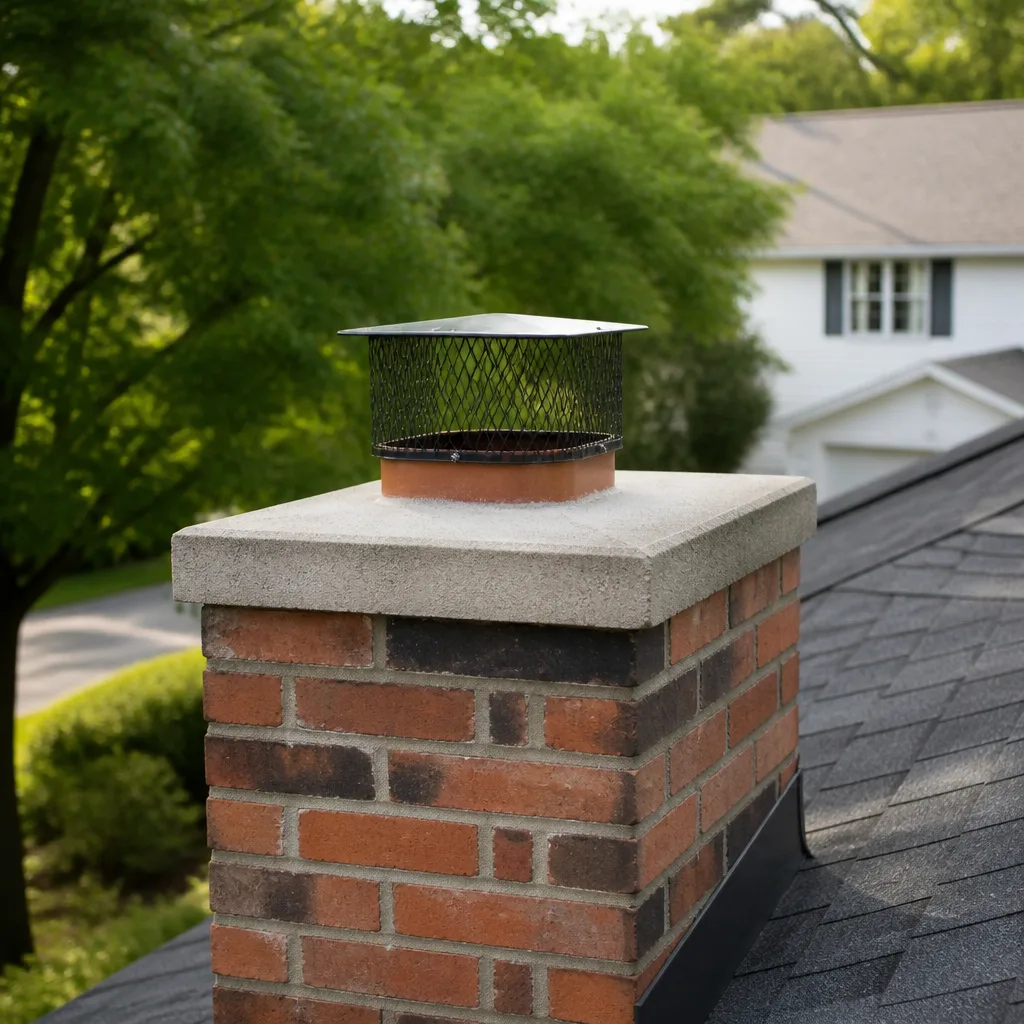 Sweep & inspection
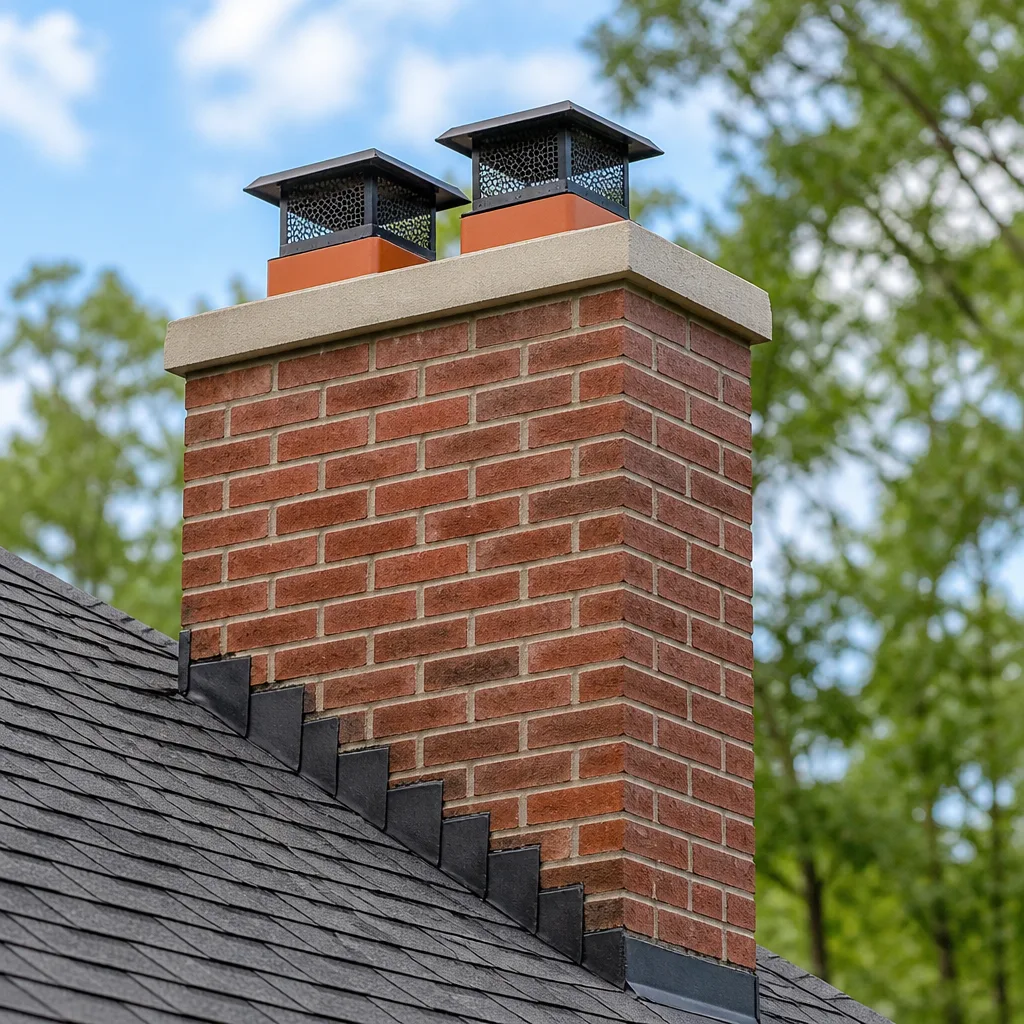 Caps & crowns
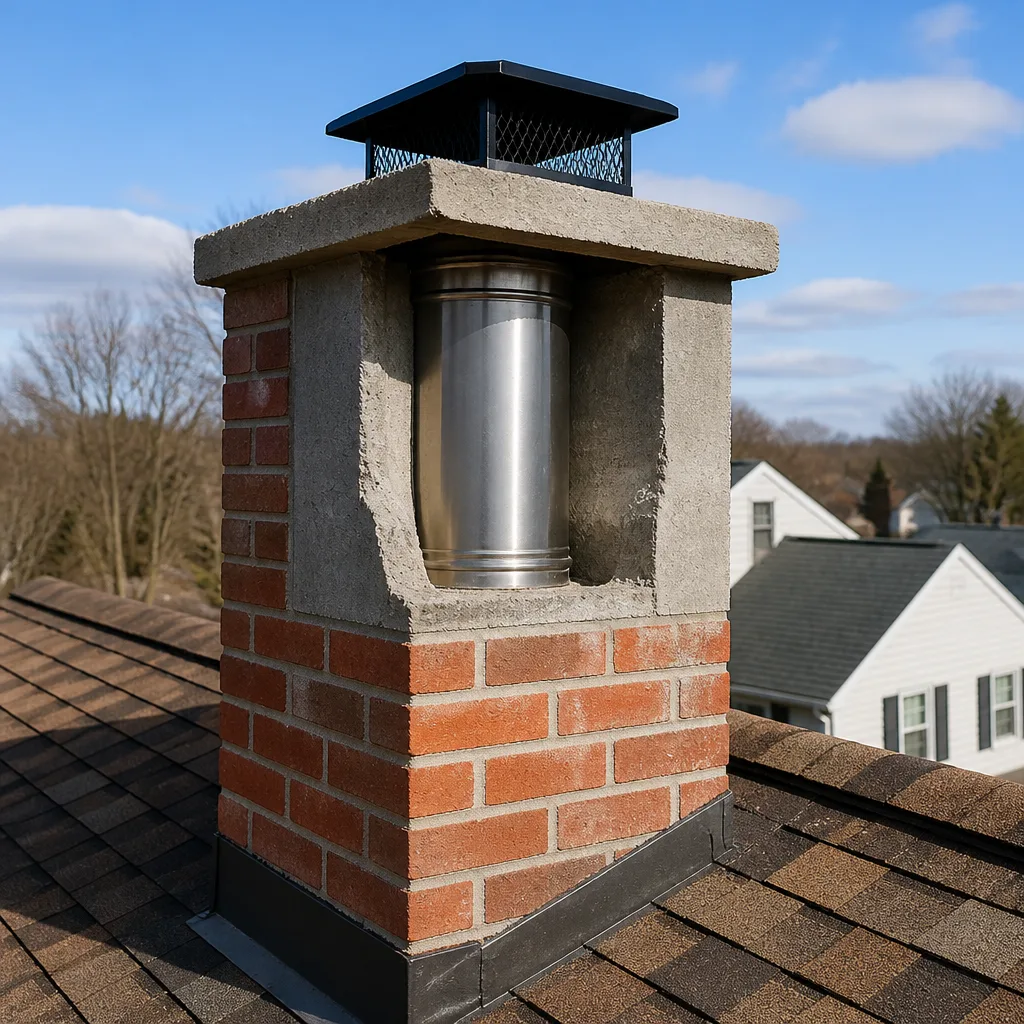 Flue relining
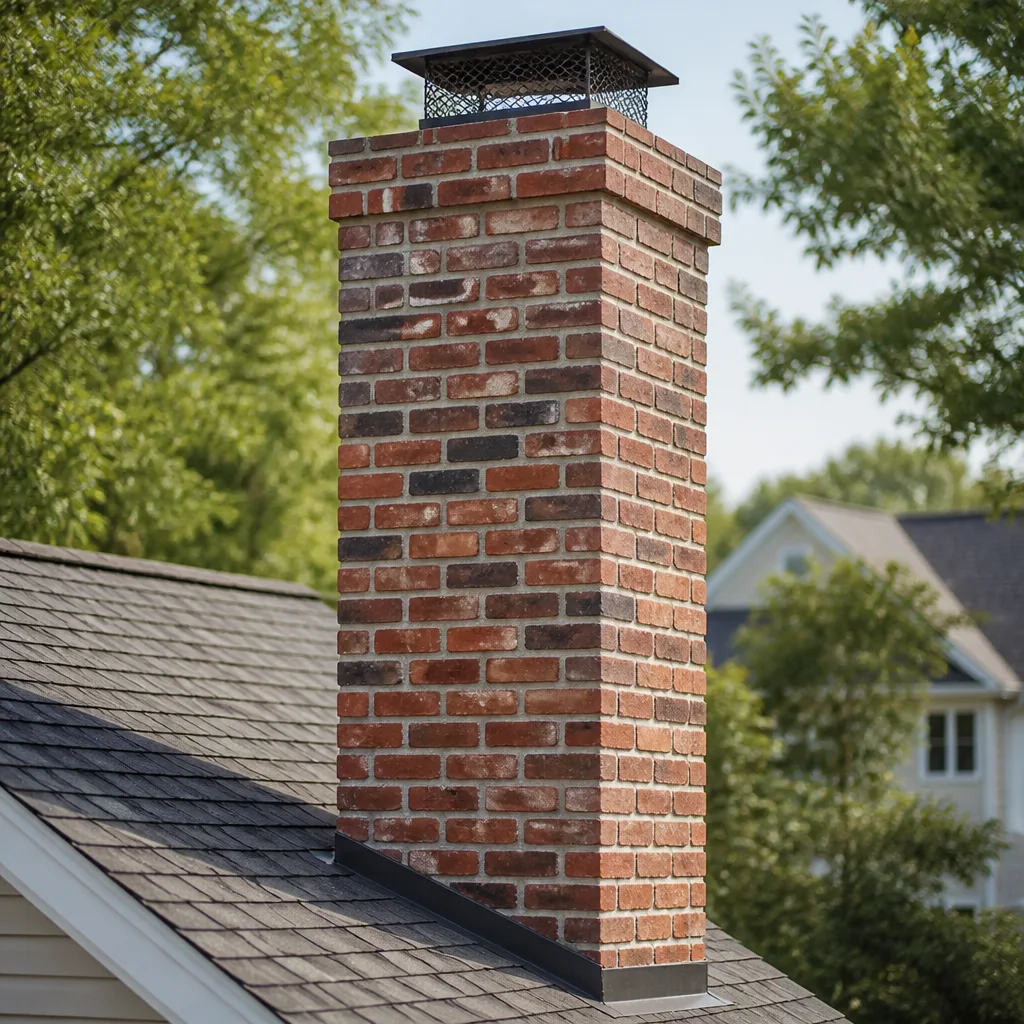 Masonry repair
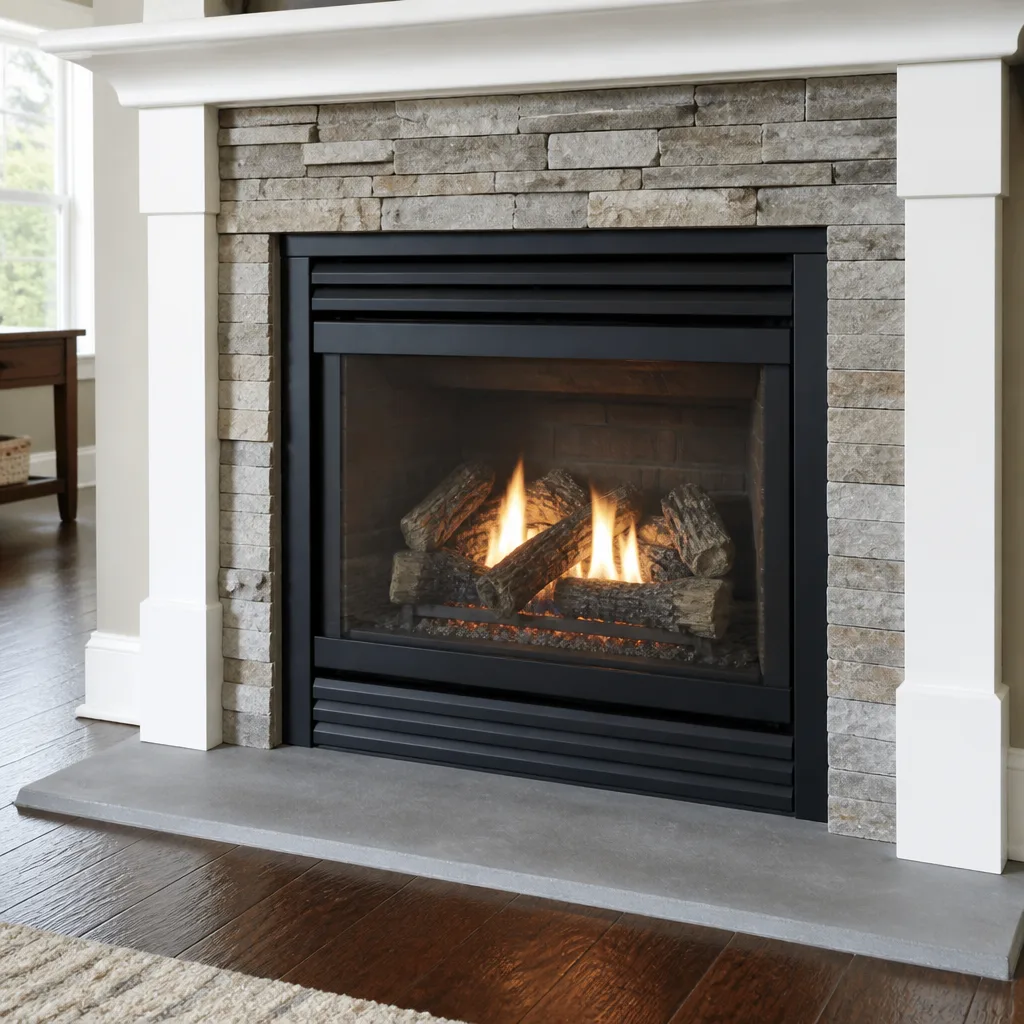 Gas fireplace service
Level 1 sweep and inspection to the NFPA 211 annual standard - flue, crown, cap, and flashing checked and photographed
Chimney sweep logs do not sweep chimneys. They loosen some creosote - which then falls where a brush and vacuum still have to collect it.
Chimney Cleaning Permits, Codes & Inspections in Northeast Philadelphia, PA: What You Need to Know
A basic chimney sweep in Philadelphia needs no permit. That single fact leads a lot of homeowners to assume nothing about a chimney does, and that assumption is where things get expensive. The moment the work moves from cleaning into liner replacement, smoke chamber resurfacing, or any structural masonry repair, jurisdiction shifts to the City’s Department of Licenses and Inspections, and the paper trail matters as much as the workmanship. This guide lays out which services fall on which side of the permit line, how the Pennsylvania Uniform Construction Code and NFPA 211 shape what a contractor installs, how a Level 2 inspection maps to a property sale in Northeast Philadelphia, and what to ask for so a future buyer’s inspector doesn’t find a problem the seller never knew existed.
Quick Answer
A routine chimney sweep and a Level 1 inspection in Philadelphia need no permit. Liner replacement, smoke chamber reconstruction, firebox rebuilding, and structural masonry repair generally do require a permit through the City’s Department of Licenses and Inspections, and the work must follow the Pennsylvania Uniform Construction Code and NFPA 211 installation standards. A Level 2 inspection is what buyers and their inspectors rely on when a Northeast Philadelphia property changes hands.
Styles & brands we work with
- Sweep & inspection
- Caps & crowns
- Flue relining
- Masonry repair
- Gas fireplace service
Table of Contents
- Which chimney services need a permit in Philadelphia?
- How Pennsylvania’s Uniform Construction Code and the IRC govern liners
- Where NFPA 211 fits into a Pennsylvania chimney job
- Level 2 inspections and real estate transactions in Northeast Philadelphia
- What to ask a contractor to document before you pay
- Northeast Philadelphia housing stock and what it means for your chimney
- What a permitted liner job actually involves, step by step
- Insurance, resale, and the cost of skipping paperwork
Which chimney services need a permit in Philadelphia?
Sweeping and inspection do not require a permit. Repair and replacement work generally does. The dividing line isn’t about how much money changes hands or how long the job takes. It’s about whether the work alters a component of the chimney system that the building code regulates: the flue, the firebox, the smoke chamber, or the structural masonry that supports them.
Here’s how the categories usually break down under the Philadelphia Building Code:
- No permit: routine cleaning, a Level 1 or Level 2 inspection, cap replacement.
- Permit required in most cases: chimney liner installation or relining, including stainless flexible liners and cast-in-place resurfacing of a failed clay tile flue.
- Permit required: smoke chamber parging and reconstruction, firebox rebuilding, damper replacement that involves masonry work.
- Permit required: crown reconstruction where structural concrete is poured or the crown is rebuilt rather than patched.
- Permit required: any repair that removes and rebuilds masonry above the roofline, including chimney chase reconstruction.
Two of those categories cause the most confusion. Cap replacement generally sits outside permit scope because it doesn’t touch the flue or the structure, so a straightforward chimney cap & crown job is usually a documentation-light project. Liner resurfacing, by contrast, is treated the same as a liner installation because it changes the flue’s interior surface and, with it, the flue’s listing and compliance status.
A cast-in-place resurfacing product like HeatShield, which restores a deteriorating clay tile flue from the inside without demolition, still changes the flue. Whether the permit is filed depends on the scope and on what the inspector wants to see, and that’s a conversation to have before the work starts, not after.
How Pennsylvania’s Uniform Construction Code and the IRC govern liners
Pennsylvania adopts the International Residential Code through the Uniform Construction Code, and Philadelphia enforces it through the Department of Licenses and Inspections. That chain is what makes the IRC relevant to a Northeast Philadelphia chimney. When an inspector reviews a liner installation, they aren’t checking whether the contractor likes the product. They’re checking whether the flue meets the code’s requirements for venting, clearance, and material.
In practical terms, that means:
- The liner must be listed and labeled for the fuel type and appliance it serves. A wood-burning flue and a gas appliance flue are not interchangeable under the code.
- The liner must be sized to the appliance’s venting requirements. An oversized flue on a modern insert causes draft problems that a properly sized liner solves.
- Installation must follow the manufacturer’s listed instructions, and the inspector can ask to see them.
- Clearances from combustibles must be maintained and, where required, documented.
This is why the brand of liner matters less than whether it’s listed for your application and installed to its listing. In our experience, that’s also where homeowners get the most reassurance from seeing the paperwork up front. A flexible stainless liner from a trade manufacturer like DuraFlex or Olympia Chimney is a common answer for older flues that can’t take a rigid liner without demolition, but only when the product is listed for the appliance and the size is right. The written estimate should name the product and the listing, so the inspector and the eventual buyer’s inspector both have something to check against.
Where NFPA 211 fits into a Pennsylvania chimney job
NFPA 211 is the Standard for Chimneys, Fireplaces, Vents, and Solid Fuel-Burning Appliances. It isn’t a law in itself, and it doesn’t appear on the permit form. But it’s the reference standard the trade uses, the one inspectors point to when they want a technical basis for a judgment call, and the one an insurance adjuster’s report will cite after a chimney fire.
Practically, NFPA 211 is what tells you:
- What condition a flue must be in before you keep using the fireplace. Cracks, gaps, and spalled clay tiles mean the flue has lost its containment, and a liner is the typical fix.
- How often the chimney should be swept and inspected, tied to how much you burn.
- What a Level 1, Level 2, and Level 3 inspection each cover, and when each is required.
- How close combustible material can be to the flue and how that clearance is measured.
When an inspector looks at a Northeast Philadelphia chimney and writes up a deficiency, the citation is almost always the building code. But the reasoning behind that citation is usually NFPA 211. That’s why a contractor who works to that standard ends up with a job that passes inspection on the first visit, rather than being sent back to correct a clearance or a sizing problem.
Level 2 inspections and real estate transactions in Northeast Philadelphia
A Level 2 inspection is the one buyers should ask for before closing on a home with a fireplace. It’s more than a visual check: it includes a video scan of the flue interior, access to concealed areas like the attic and crawl space where the chimney passes through, and a written report. On an aging Northeast Philadelphia rowhouse, that video scan is often the only way to know whether the flue was lined correctly the last time someone worked on it.
Here’s how a Level 2 inspection maps to the real estate process:
- Buyer’s inspection contingency. The buyer schedules a Level 2 inspection as part of the purchase due diligence. The report identifies any unpermitted or non-compliant work.
- Report findings. A failed video scan, a missing liner, or a flue that doesn’t match its installation documentation gets flagged.
- Negotiation or correction. Either the seller has the issue corrected through a permitted job, or the price adjusts.
- Closing. If the issue is discovered after closing, the new owner inherits it along with the liability.
That last step is the one that matters most. A permit pulled for a liner replacement produces an inspection record. A liner replacement done without one produces a liner that may be perfectly fine, but that the buyer’s inspector can’t verify. In a Northeast Philadelphia sale, an open permit on the chimney or a missing sign-off is the kind of finding that holds up a closing.
What to ask a contractor to document before you pay
Ask for the permit number and the inspection sign-off before final payment. If the job didn’t require a permit, ask for a written scope of work that states what was done and what standard it was done to. Either way, get it in writing, because the paper you hold now is what a future buyer’s inspector asks for later.
Here’s the practical checklist:
- The permit number, if one was required. Note it and keep a copy. The City’s L&I record should show the pull and the final inspection.
- The written estimate and final invoice. They should name the product installed, the flue size, and the appliance the liner serves.
- The inspection report. A Level 2 report with video findings gives the buyer’s inspector something specific to work from.
- Photos of the work in progress. Before-and-after shots of the flue interior, the crown, and any masonry repair.
- The product listing documentation. The liner’s manufacturer literature, so the listing and the appliance match on paper.
A contractor who can’t produce these isn’t necessarily doing bad work. But they’re leaving you without the record that protects the resale, and in a rowhouse market like Northeast Philadelphia, that record is worth keeping.
Northeast Philadelphia housing stock and what it means for your chimney
The chimneys in Northeast Philadelphia tell you a lot about the houses under them. In Mayfair, Holmesburg, and Tacony, the rowhouses and twins were built with masonry chimneys that vented coal, then oil, then whatever the homeowner burns now. Over decades, the clay tile liners in those flues crack, spall, and lose their mortar joints. The flue may still pass a basic smoke test and still be a real hazard, which is exactly why a video scan matters.
In Somerton, Bustleton, and the Far Northeast, the housing is newer and the chimneys are often factory-built. Those have their own liner requirements, and a masonry-style repair isn’t the answer. Either way, the diagnosis comes first, and the product choice follows.
Climate plays a role too. Northeast Philadelphia winters bring freeze-thaw cycles that work on the crown and the mortar joints above the roofline. A crown that’s cracked lets water into the masonry, and water that freezes and expands opens the crack further. That’s why a chimney repair visit that starts with the flue often ends up looking at the crown and the masonry above it. It’s also why a permitted job is worth doing once rather than twice: a repair that ignores the source of the water gets redone a season or two later.
What a permitted liner job actually involves, step by step
When a Northeast Philadelphia chimney crosses into permit territory, the process looks like this:
- Level 2 inspection and video scan. We confirm the flue’s condition, size, and appliance before determining whether a liner is the right answer and which product fits. Nothing gets recommended without camera evidence you can see for yourself.
- Scope and product selection. The written scope names the flue size, the appliance, and the liner product. Flexible stainless, cast-in-place resurfacing with HeatShield, or a rebuild decision gets made here, not on the roof.
- Permit application. The permit is pulled through L&I, with the scope of work attached.
- Installation. The flue is cleaned, prepped, and the liner is installed to its listing. Any crown or masonry work is done under the same permit where required.
- Inspection. The L&I inspector reviews the installation, and the sign-off is added to the record.
- Documentation handoff. You receive the permit number, the inspection record, the product literature, and photos of the completed work.
The order matters. A job that starts with product selection and ends with a permit application is a job where the paperwork trails the work, and that’s when corrections happen.
Insurance, resale, and the cost of skipping paperwork
An unpermitted structural chimney repair can be a problem when you file a claim and a problem when you sell. Insurers increasingly ask for documentation of significant chimney work, and a claim that arises from a chimney fire or a carbon monoxide incident in an altered flue is not the moment to discover there’s no permit. On the resale side, an open permit or a missing inspection sign-off can hold up a closing, and the buyer’s inspector will find it.
Carbon monoxide is the other reason this matters. A flue that vents a gas appliance and isn’t installed to code can leak combustion gases into the home. That’s not a reason to panic about every chimney, but it’s a reason to have the flue documented and the installation verified. A routine chimney sweep is the right starting point. It tells you whether a permit-level conversation is even needed. For a broader look at what annual service covers, our Chimney Sweep Northeast Philadelphia page walks through the full annual routine.
If you’re not sure where your chimney sits on this, call us. The estimate is free, and you’ll know what you’re dealing with before you spend anything. Call (855) 658-4023. We answer 24/7. Fast dispatch from 7am to 7pm, Sunday through Friday.
Common Mistakes to Avoid
- Assuming a sweep and a liner job need the same paperwork. They don’t. A cleaning needs nothing. A liner replacement usually needs a permit, and the contractor who tells you otherwise is telling you something about how they work.
- Letting a liner installer skip the Level 2 inspection. A video scan before the liner goes in is the whole point. A liner chosen without one is a guess.
- Buying a Northeast Philadelphia home with an unverified chimney. Ask for the Level 2 report and the permit history before closing, not after.
- Paying the final invoice without the inspection sign-off. If a permit was pulled, the sign-off is the proof the job passed. Get it before the check clears.
- Accepting a cast-in-place resurfacing job with no product documentation. HeatShield and similar products are legitimate, but only when applied by someone trained on them and documented for the record.
- Treating a cracked crown as cosmetic. In a Northeast Philadelphia freeze-thaw winter, water gets into the crack and the damage spreads. Crown work and flue work often belong in the same project.
- Replacing a masonry flue problem with a masonry-style fix on a factory-built chimney. The product has to match the chimney type, and that match is what the inspector checks.
See the difference
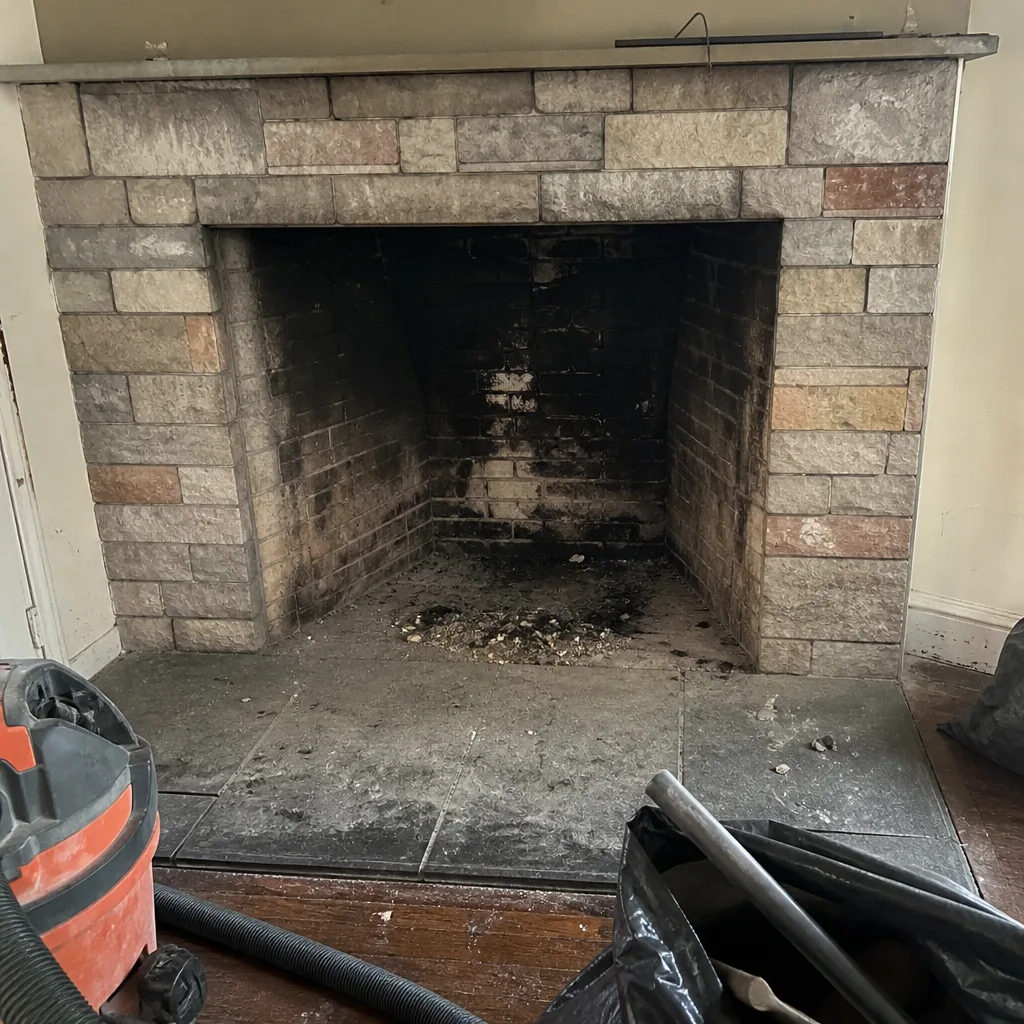 Before
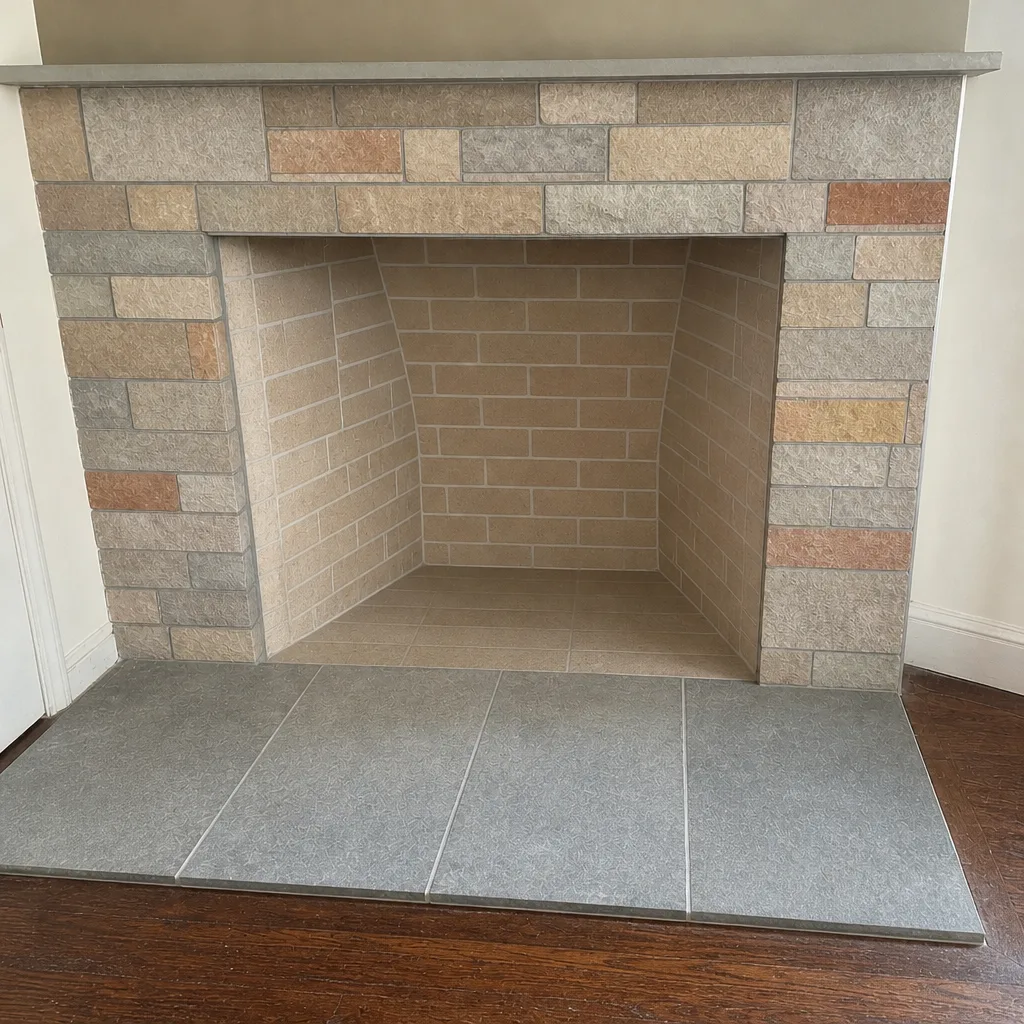 After
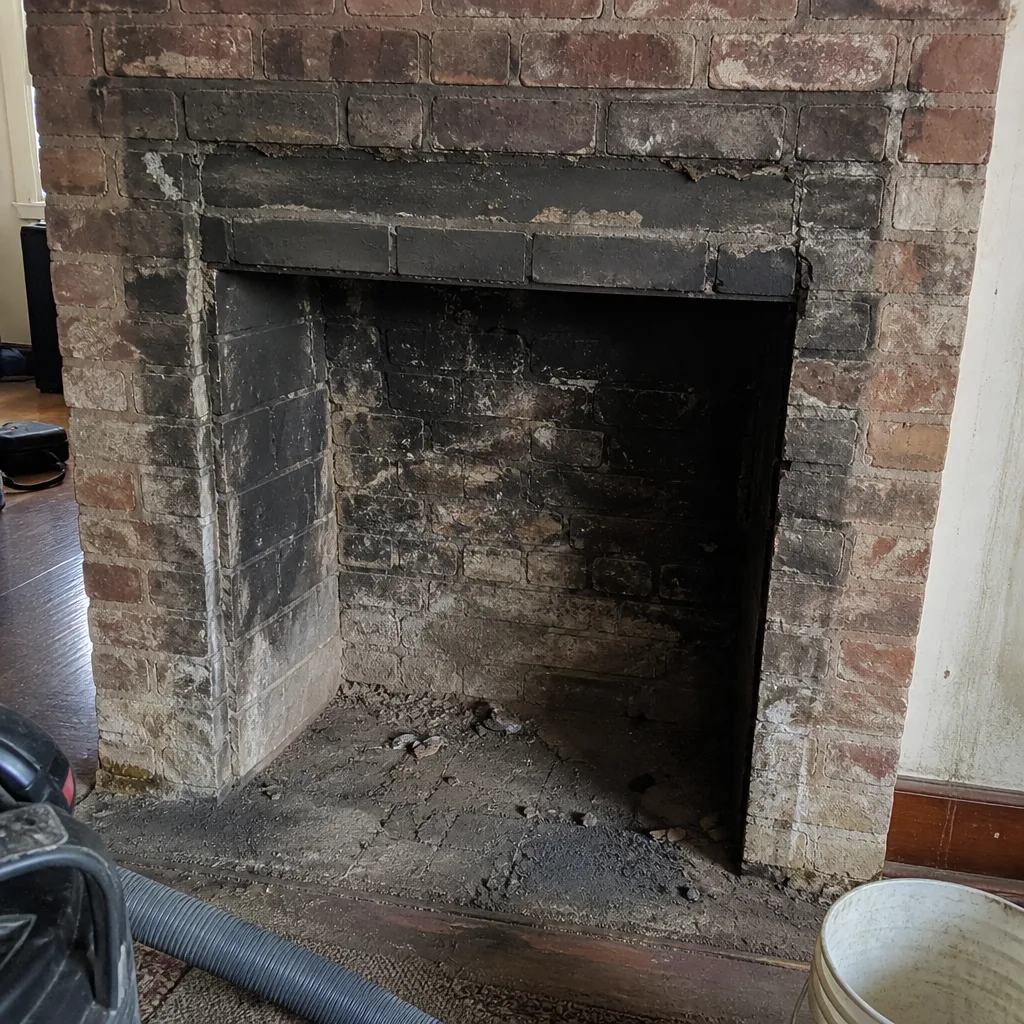 Before
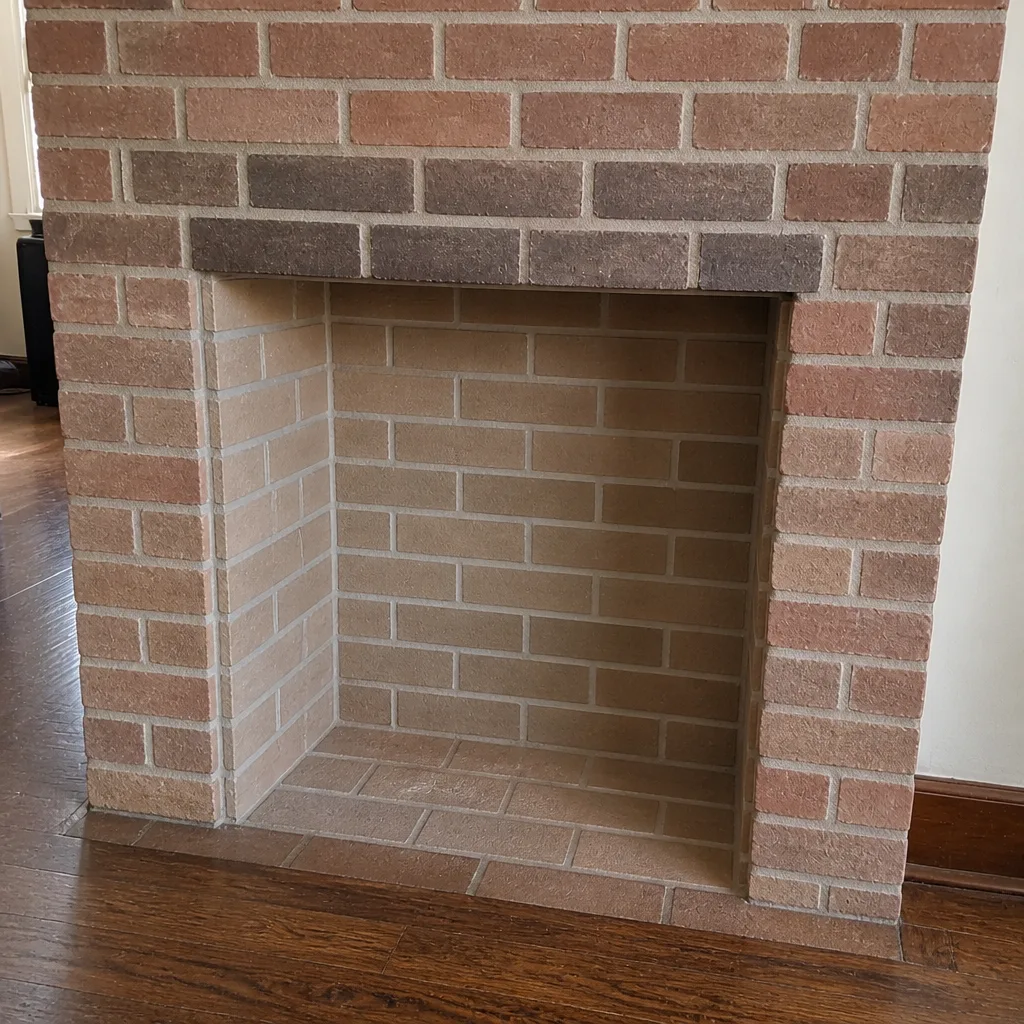 After
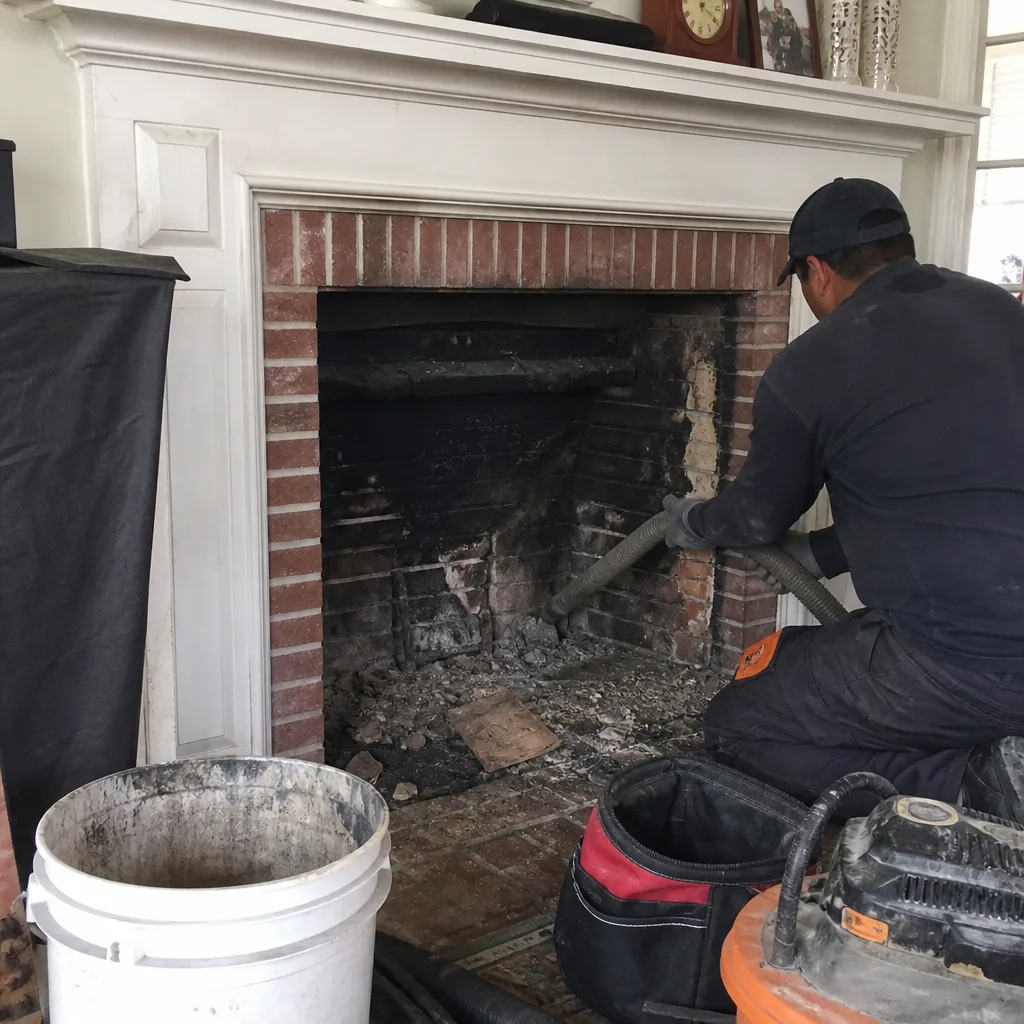 Before
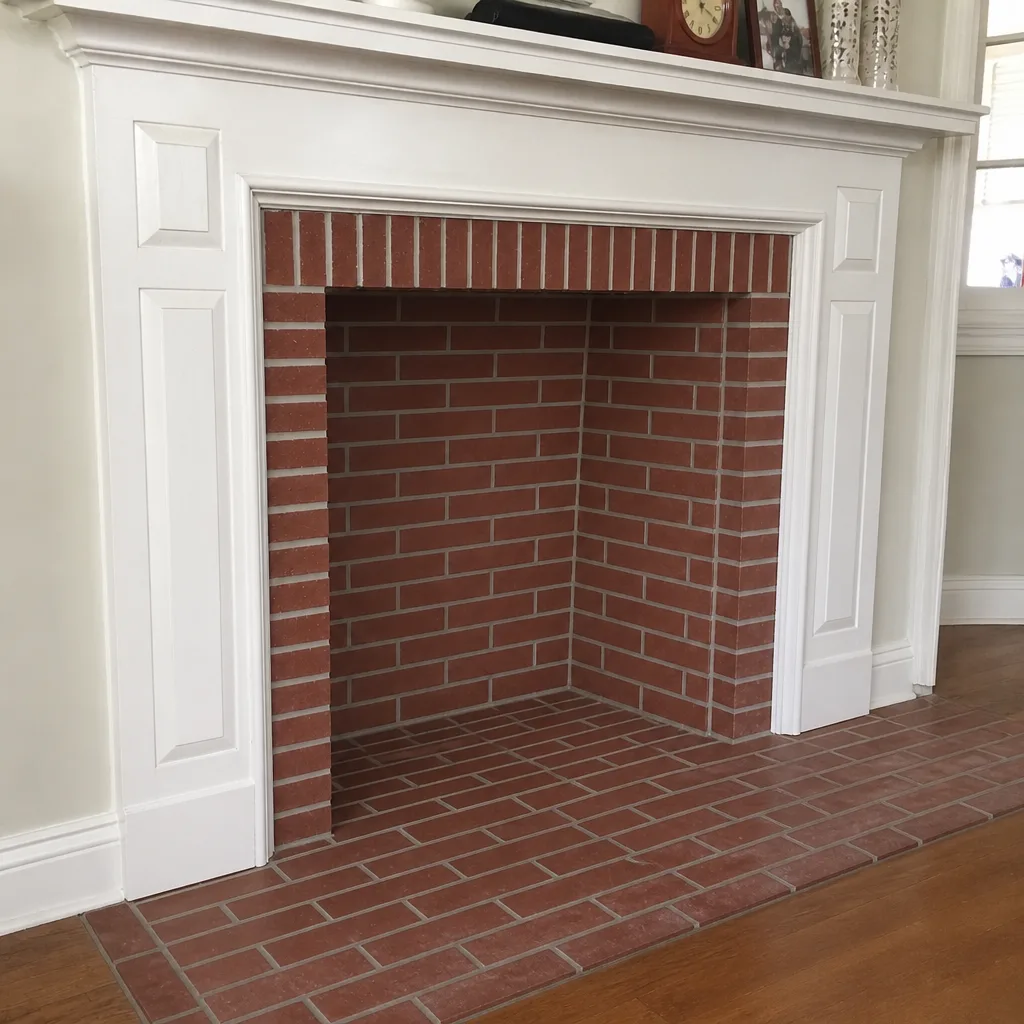 After
When to Call a Professional
Call a professional when the work involves anything beyond a routine sweep. That includes a flue that has never been video-scanned, a fireplace you’ve inherited with a new home, a crown that’s cracked or missing, a liner with visible damage, or a smoke chamber that hasn’t been evaluated. Call before you buy or sell a Northeast Philadelphia property with a fireplace, so the Level 2 inspection and the permit history are in hand. And call if you’re being told you need thousands of dollars of liner or masonry work you have no way to verify. Nothing gets recommended without camera evidence you can see for yourself, and we’ll tell you plainly when work can safely wait.
Chimney Sweep Northeast Philadelphia offers free estimates in Northeast Philadelphia. Call (855) 658-4023 to book one.
Frequently Asked Questions
No. A routine chimney sweep and a Level 1 inspection in Philadelphia do not require a permit. Permits come into play when the work crosses into liner installation, smoke chamber work, firebox rebuilding, or structural masonry repair. Call (855) 658-4023 for an exact quote on what your chimney actually needs.
Liner installation and relining, cast-in-place flue resurfacing, smoke chamber reconstruction, firebox rebuilding, crown reconstruction, and masonry repairs above the roofline generally require a permit through the Department of Licenses and Inspections. Cap replacement usually does not. The scope of work attached to the permit determines what the inspector reviews. Call (855) 658-4023 and we’ll walk you through what your specific job needs.
A Level 2 inspection is a video scan of the flue plus a review of accessible concealed areas, with a written report. It’s the inspection a buyer’s due diligence should include, and it’s what an L&I-issued permit records against when work has been done. Buyers in Northeast Philadelphia should ask for the report and the permit history before closing. Call (855) 658-4023 to schedule one.
NFPA 211 is the trade standard for chimney condition, inspection levels, and flue requirements, and inspectors and insurers reference it even though the building code is what carries the citation. It shapes what “safe to use” means for your flue. In practice, working to it is what keeps a job from getting corrected on the inspection. Call (855) 658-4023 for an estimate.
Yes. Insurers increasingly ask for documentation of significant chimney work, and a claim arising from an unpermitted alteration can be harder to support. An unpermitted liner or masonry repair also turns up in a resale inspection. Getting the permit and the sign-off protects the claim and the closing. Call (855) 658-4023 for an exact quote.
Keep the permit number and inspection sign-off if one was required, the written scope naming the product and flue size, the Level 2 inspection report, photos of the completed work, and the product listing literature. That file is what a future buyer’s inspector will ask for. Call (855) 658-4023 and we’ll make sure you leave with all of it.
The Bottom Line
A sweep needs no permit. A liner, a smoke chamber rebuild, or a structural repair usually does, and that paperwork is what protects you at claim time and at closing. Pennsylvania’s Uniform Construction Code and the IRC shape what a liner installation must meet, NFPA 211 is the standard the trade works to, and a Level 2 inspection is what a Northeast Philadelphia buyer’s inspector will rely on. Ask for the permit number, the sign-off, the product listing, and the photos. If you’re unsure where your chimney falls, get a free estimate before the work starts. Call (855) 658-4023. We answer 24/7. Fast dispatch from 7am to 7pm, Sunday through Friday.
Written by the team at Chimney Sweep Northeast Philadelphia.