
Last updated November 22, 2026
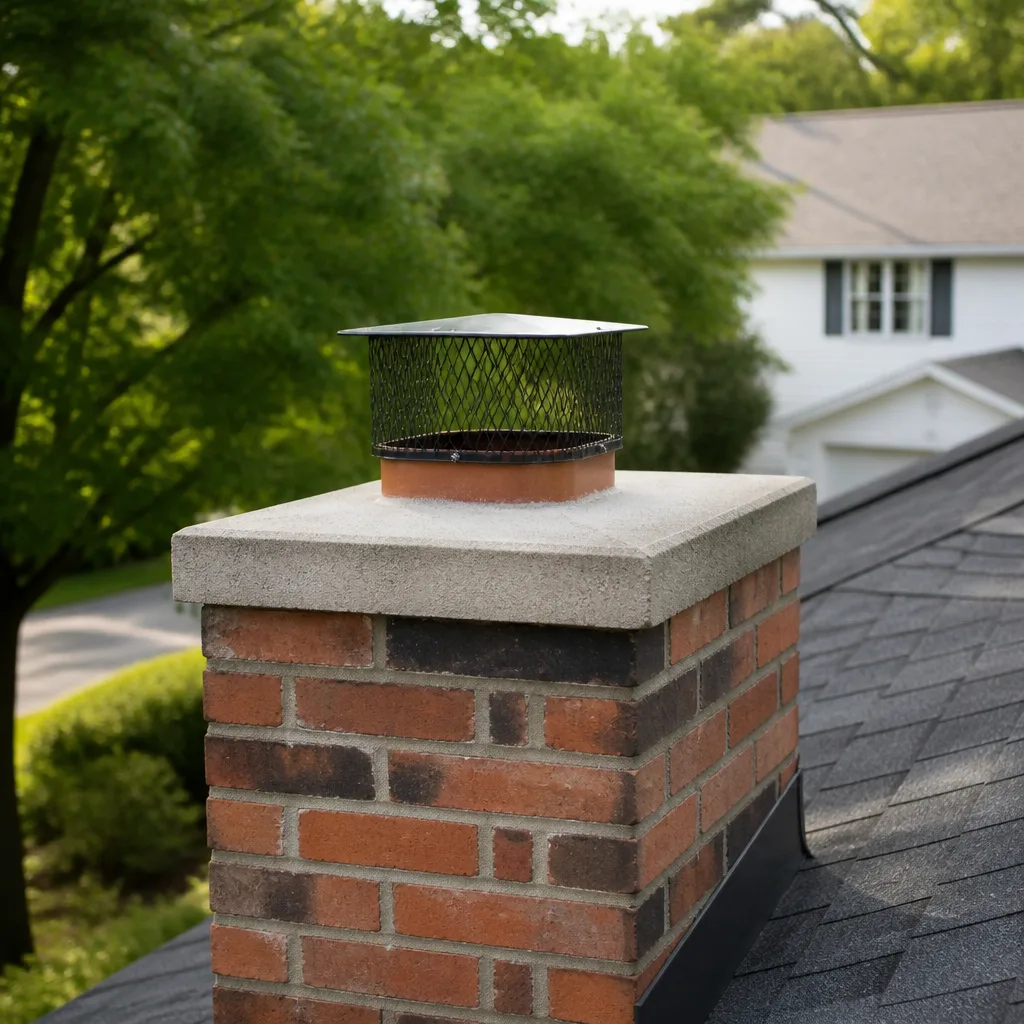 Sweep & inspection
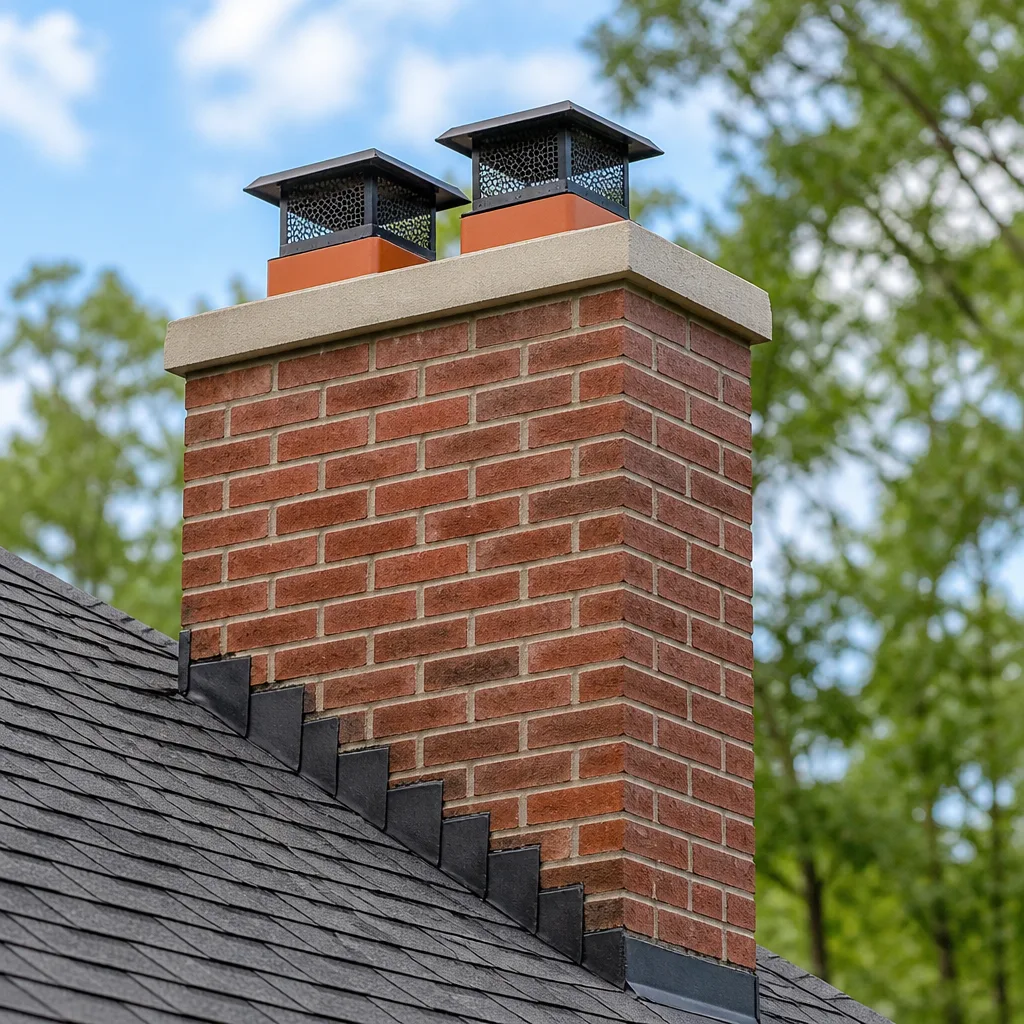 Caps & crowns
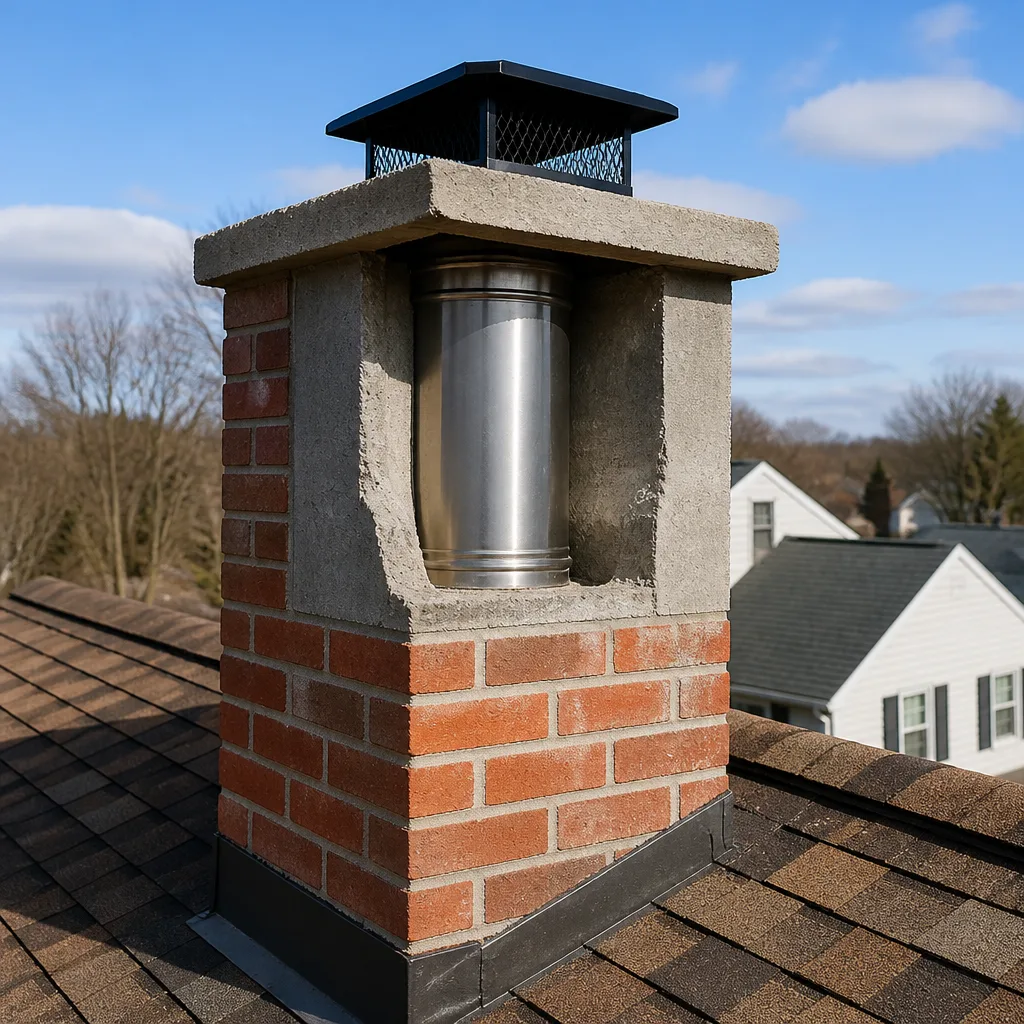 Flue relining
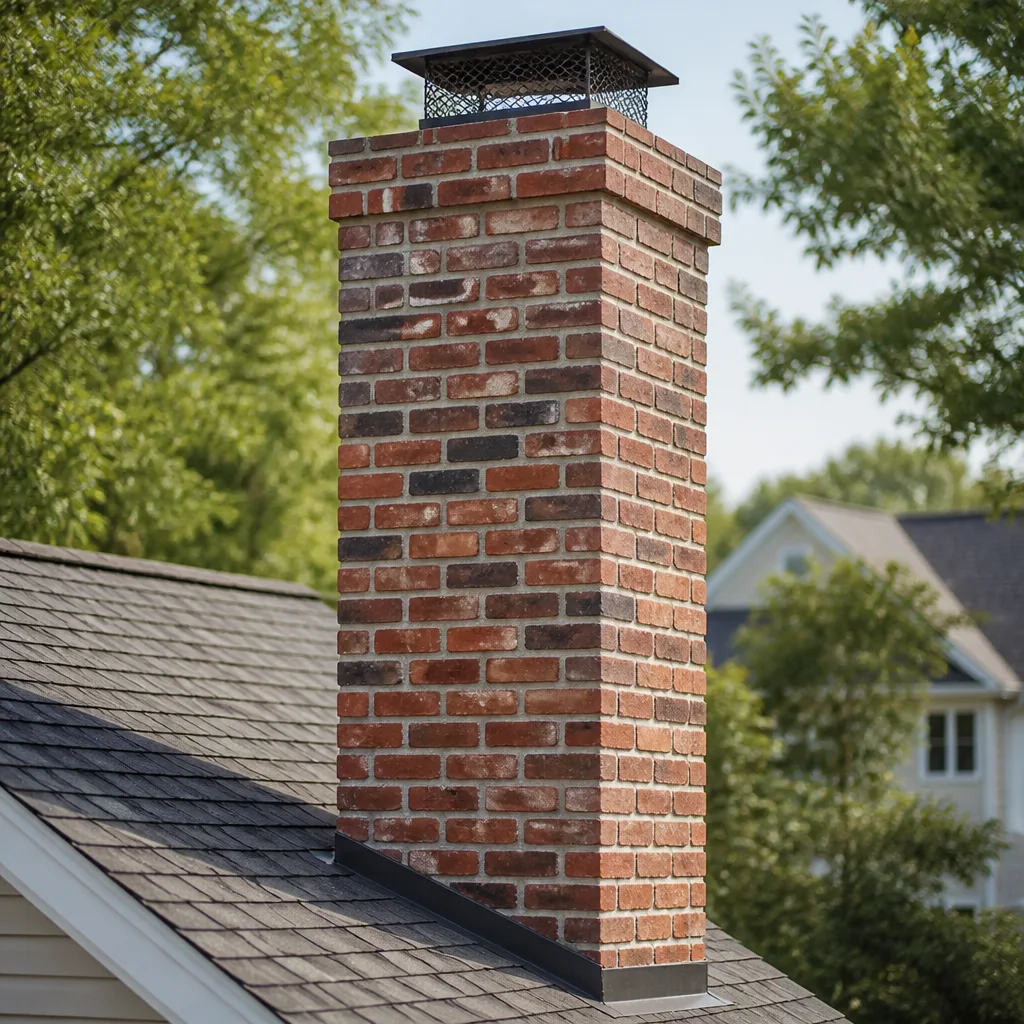 Masonry repair
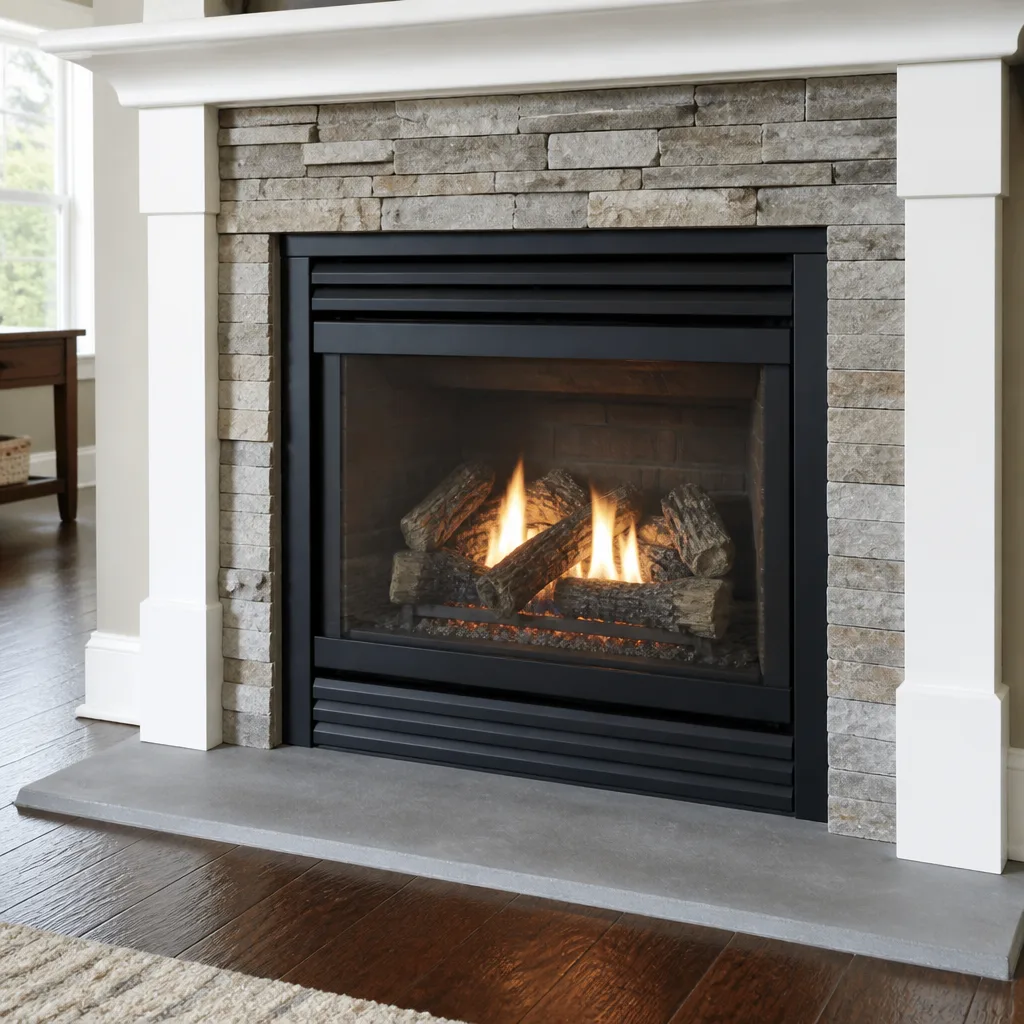 Gas fireplace service
Level 1 sweep and inspection to the NFPA 211 annual standard - flue, crown, cap, and flashing checked and photographed
Chimney sweep logs do not sweep chimneys. They loosen some creosote - which then falls where a brush and vacuum still have to collect it.
Choosing the Right Chimney Cleaning Brand: A Buyer’s Guide for Northeast Philadelphia
Most homeowners in Northeast Philadelphia shop for a chimney company by comparing hourly rates. That is the wrong filter. The question that separates a competent chimney contractor from a risky one isn’t what they charge, it’s what they put inside your flue. There is no single product called a “chimney liner.” There is HeatShield for deteriorated clay tile, there is a flexible stainless system for appliance venting, and there is cast-in-place for total liner failure, and each answers a different problem. A contractor who quotes you “liner repair” without naming the system they’d use is telling you something important: they’re guessing. This guide explains the professional-grade brands used in this trade, what each is designed for, and how to read a contractor’s answer when you ask which products they’ll use on your chimney in Northeast Philadelphia.
Quick Answer
The right chimney cleaning brand depends on the job, not the label on the truck. For routine sweeping, the brand of brush or rod matters far less than the technician’s technique and their willingness to camera-inspect the flue. For liner work, brand specificity is everything: HeatShield resurfaces deteriorated clay tile, flexible stainless steel systems like DuraFlex handle appliance venting and full relines, and cast-in-place is the choice when the original liner is gone. Ask your Northeast Philadelphia contractor to name the specific system, the material spec, and the warranty in writing. If they can’t, keep calling.
Styles & brands we work with
- Sweep & inspection
- Caps & crowns
- Flue relining
- Masonry repair
- Gas fireplace service
Table of Contents
- Why Brand Specificity Reveals Technical Level
- A Map of the Trade’s Professional Brands
- Consumer-Grade Creosote Treatment vs. Professional Chemistry
- Material Specs That Matter in Northeast Philadelphia’s Climate
- How to Ask a Contractor Which Products They Use
- How Product Warranties Work in Chimney Repair
- Common Mistakes to Avoid
- When to Call a Professional
- Frequently Asked Questions
Why Brand Specificity Reveals Technical Level
Two contractors can look identical on paper. Both are insured, both show up on time, both hand you a business card. What separates them is the vocabulary they use when describing the work. A contractor who says “we’ll apply a refractory coating to your smoke chamber” is working from a system. A contractor who says “we’ll patch it up” is improvising, and improvising on a chimney is how homes burn.
Chimney work is a material science problem more than a labor problem. The heat inside a flue during a wood fire can exceed what ordinary mortar and consumer coatings tolerate. The moisture cycling outside the chimney in Northeast Philadelphia’s winters breaks down the wrong brick and the wrong cap. Getting the material right is the job. Labor is what carries it.
Here’s the practical implication. When a contractor names HeatShield for smoke chamber parging or Gelco for crown repairs, they’re telling you three things at once:
- They’ve been trained on that product. Proprietary systems require certified application. You can’t buy HeatShield Cerfractory at a hardware store and wing it.
- They have a trade account. Professional chimney brands don’t sell to hobbyists. A contractor with access to Olympia Chimney or Copperfield buys through distribution channels reserved for the trade.
- They follow a specification. Named products come with installation instructions, cure times, and warranties. That paper trail is your protection.
This is why product knowledge is a better interview question than years in business. Experience is valuable, but a contractor with the right products and a camera will outperform a contractor with a decade of guessing. When you’re ready to compare companies, use our Chimney Sweep Northeast Philadelphia overview as a starting point and ask every company the same brand questions.
A Map of the Trade’s Professional Brands
The chimney industry has a relatively small number of recognized professional brands, and each one solves a specific class of problem. Knowing which is which lets you interpret a contractor’s answer instead of just nodding along. Here’s the map we work from.
Liner Resurfacing: HeatShield
HeatShield Cerfractory Flue Sealant is a resurfacing system applied to a deteriorated clay tile liner. It doesn’t replace the liner, it rebuilds the interior surface with a refractory material that cures hard and restores the flue’s cross-section. The application requires specific product training, and not every sweep-only company carries it. We use HeatShield because most of Northeast Philadelphia’s older housing stock has clay tile liners that have cracked or spalled but not failed completely, and HeatShield solves that exact problem without demolition. If your liner is intact in structure but damaged in surface, this is the answer.
Flexible Stainless Liners: DuraFlex and Olympia Chimney
When the flue needs a full reline, a flexible stainless steel liner is the standard. DuraFlex systems let us retrofit a stainless liner down an existing chimney without tearing into the masonry. Olympia Chimney Supply produces a range of flexible liner components, caps, and connection hardware. The right gauge and alloy depend on the appliance, and that specificity is what we’re looking for when we quote a job. A wood-burning fireplace, a wood stove insert, and a gas appliance each take a different liner specification, and naming the system matters.
Crowns and Masonry Coatings: Gelco and Copperfield
Gelco makes crown repair and masonry coating products used on the top of the chimney, where freeze-thaw damage does its worst work. Copperfield supplies chimney caps and crown materials designed for long service life in mixed climates. Both matter in Northeast Philadelphia because the crown is the chimney’s roof, and a failed crown lets water into the masonry above the flue. The right crown product flexes with the brick instead of cracking apart from it.
Caps and Accessories: Famco
Famco produces chimney caps and venting components. A cap seems simple until you consider the sizing: the cap has to fit the actual flue dimensions, allow the right amount of exhaust flow, and keep out rain and animals. A cap that’s too tight chokes draft, a cap that’s too loose lets water in. When we specify a Famco cap for your Northeast Philadelphia chimney, the dimensions come from your measured flue, not from a shelf guess.
None of this is name-dropping for its own sake. Each brand exists to solve a specific failure mode, and choosing the right product for your flue is the difference between a repair that lasts and one that doesn’t. Our chimney repair work is built around that principle.
Consumer-Grade Creosote Treatment vs. Professional Chemistry
Creosote is the tar-like residue left by wood smoke, and it’s the primary fuel source in most chimney fires. The homeowner response is often a bottle of creosote sweeping log or a spray from the hardware store. Understanding what these products actually do, and what they don’t, prevents a false sense of security.
Consumer-grade creosote treatments fall into two rough categories. Chemical sweeping additives are designed to dry out and loosen light soot and stage-one creosote so it can be swept away. They help the sweep, they don’t replace it. And they’re not formulated to address stage-three creosote, which is a hardened, glazed layer that requires mechanical removal or, in severe cases, chemical treatment by a professional.
Professional-strength chemical treatments address that glazed creosote problem. They’re applied by trained technicians, they have specific dwell times, and they have to be used alongside proper ventilation and disposal procedures. This is not a product you buy online and paint on. The chemistry is strong, the application protocols matter, and the waste has to be handled responsibly.
Here’s the practical distinction:
- Stage-one creosote is light, dusty soot. Routine sweeping removes it.
- Stage-two creosote is flaky and crusty. A sweep can remove it with the right technique and equipment.
- Stage-three creosote is glazed and hard, and it needs professional chemical treatment or aggressive mechanical removal. No consumer spray touches it.
We’ve seen the aftermath of a homeowner trying to treat glazed creosote with a sweep log, and the result is a thin coat of loosened tar sitting on top of hard tar, which is worse than either alone. If you suspect glazed creosote in your Northeast Philadelphia chimney, skip the consumer products and get a camera inspection. Our chimney sweep work includes an inspection that identifies the creosote stage before we sweep, so you know exactly what you’re dealing with.
Material Specs That Matter in Northeast Philadelphia’s Climate
Northeast Philadelphia has a freeze-thaw cycle that punishes the wrong materials. Winters swing above and below freezing repeatedly, and each cycle drives water into masonry, expands it, and cracks the brick from the inside. That means the products we specify have to handle moisture cycling and thermal shock, not just heat.
Three specs matter most:
Stainless Gauge for Liners
Flexible stainless liners come in different gauge thicknesses, and thinner is not cheaper in a useful way. The flue gas from wood and gas appliances is mildly corrosive, and thin liners fatigue faster. We specify liner gauge and alloy to the appliance, because a wood-burning insert puts out more heat and more corrosive byproducts than a gas appliance. When you ask a contractor which liner system they’d use, the follow-up question is “which gauge.” A contractor working from a spec can answer. A contractor guessing will tell you “the standard one.”
Rain Cap Sizing for Clay Flue Dimensions
The cap has to match the measured flue opening. A Northeast Philadelphia rowhouse from the mid-twentieth century might have a clay flue in a dimension that no longer matches standard cap sizes, and a cap that’s too tight creates backdraft. We measure, then specify. The cap should also have a mesh screen sized to keep out squirrels and birds without choking airflow, and in Northeast Philadelphia’s older neighborhoods, animal intrusion is a real problem.
Mortar Mix for Freeze-Thaw Resistance
Ordinary mortar mix is not the right choice for a chimney crown or a repointed cap in this climate. The mix needs to have the right ratio of cement to sand and, in the right application, the right additives for flexibility. A crown that’s too rigid cracks away from the brick. A crown that’s too soft erodes. The product brands matter here because they come with tested mix specifications. When we quote chimney cap & crown work around Northeast Philadelphia, the mix is part of the estimate.
How to Ask a Contractor Which Products They Use
The right question isn’t “are you qualified.” Every contractor will say yes. The right question is specific enough that a guesser can’t bluff their way through it. Here’s the sequence we recommend for every homeowner shopping for a chimney contractor in Northeast Philadelphia.
- “What system would you use for my liner, and why?” A contractor working from a spec will say HeatShield, DuraFlex, or a specific stainless system with the reasoning attached. A guesser will say “a liner.”
- “Which gauge stainless for my appliance?” For a wood fireplace, they should reference a specific grade. For a gas appliance, a different one. If they say “whatever the manufacturer recommends,” ask which manufacturer.
- “What brand of crown product for my climate?” In Northeast Philadelphia, a contractor who hasn’t thought about freeze-thaw won’t have a product answer for this.
- “Which products do you have certified training on?” HeatShield application requires certification. DuraFlex systems do too. Ask for the certifications in writing.
- “What does the warranty say, and which parties does it cover?” Product warranties and labor warranties are different. Get both in writing before work begins.
- “Can I see the camera inspection and the photos before we discuss options?” A contractor who inspects and reports before recommending is working from evidence. A contractor who recommends before inspecting is working from ambition.
- “Will the estimate be itemized by product and labor?” If they can’t break out the product line items, they can’t warrant them separately.
We’ve had homeowners call us after another company quoted three thousand dollars in liner work with no product name attached. When we camera-inspected, half the “failed” liner was intact, and the actual problem was a failed crown joint. The product question is the difference between paying for a repair and paying for an improvisation.
How Product Warranties Work in Chimney Repair
Chimney product warranties are not interchangeable with labor warranties, and understanding the difference protects you during the years after installation. Consumer law in Pennsylvania provides basic protections, but the trade warranty is what fills in the specifics.
Product warranties come from the manufacturer, not the installer. A DuraFlex liner might carry a manufacturer warranty measured in years, but that warranty might require, as a condition of coverage, installation by a trained or certified applicator. HeatShield carries its own product warranty that’s tied to certified application. If your contractor isn’t certified on the system they installed, the manufacturer can deny coverage even though the product is sound.
Labor warranties come from the contractor. They cover the workmanship: how the liner was connected, how the crown was finished, how the cap was seated. The labor warranty should be in writing, and it should state how long it runs, what conditions void it, and who you call when something fails.
Here’s what to ask for in writing after a liner or crown installation:
- The exact product name, gauge, alloy, and dimensions installed.
- The manufacturer’s product warranty document, not just a summary.
- The contractor’s labor warranty, including start date and duration.
- The installation date, plus the name of the certified applicator who performed it.
- Photos of the work before, during, and after installation.
- The name and contact for both warranty claims and service requests.
If a contractor can’t produce these documents, they aren’t operating at the trade level that product warranties assume. That gap is a warning sign about the level of training and accountability behind the work.
Common Mistakes to Avoid
- Hiring a sweep-only service for liner work. A general sweep who “refers out” liner installation to a subcontractor splits accountability, and neither company will fully warrant the whole. A full-system specialist who handles the sweep and the liner is a single point of responsibility.
- Accepting a quote with no product name. “Liner repair” and “crown replacement” are categories, not specifications. Ask for the exact brand and system before signing anything.
- Using consumer creosote products on stage-three creosote. Bottled treatments can’t touch glazed creosote, and they create a false sense of safety. Professional chemical treatment is the right answer.
- Ignoring the cap because the flue looks fine. In Northeast Philadelphia’s freezes, an undersized or damaged cap lets water into the masonry above the flue, and that water becomes the liner’s problem. Cap work is not optional when it’s damaged.
- Accepting an “off-the-shelf” crown. Universal-fit crown products don’t always match Northeast Philadelphia’s older rowhouse chimney dimensions. Custom-fit matters more than price.
- Skipping the written warranty. If it isn’t on paper with a product name and a labor clause, it isn’t a warranty. It’s a verbal promise you won’t be able to enforce.
- Choosing on price alone. A quote that’s meaningfully lower than the trade standard is usually missing something: the camera inspection, the product specification, or the certified applicator. The right conversation is about what’s included, not what costs least.
When to Call a Professional
Some chimney issues are safe to watch, and some aren’t. Call a professional if you notice any of these in your Northeast Philadelphia home: smoke backing into the room when you light a fire, a strong creosote smell that won’t clear, visible cracking in the firebox or smoke chamber, a damaged or missing chimney cap, water stains on the ceiling near the chimney chase, or a chimney that hasn’t been swept in more than a year of active burning. Also call if you hear animals in the flue, if the crown has visible cracks, or if your carbon monoxide detector has ever sounded. Those signs escalate quickly.
Chimney Sweep Northeast Philadelphia offers free estimates in Northeast Philadelphia. Call (855) 658-4023. We answer 24/7. Fast dispatch from 7am to 7pm, Sunday through Friday. Every visit includes a camera inspection and photo report, and the written estimate sets the final price. Nothing gets recommended that you can’t see for yourself on the camera.
Frequently Asked Questions
Look for contractors who name the trade brands specific to each repair type: HeatShield for liner resurfacing, DuraFlex or Olympia Chimney for flexible stainless liners, Gelco and Copperfield for crown and masonry coatings, and Famco for caps and venting. A contractor who names these brands is signaling trade-level training and distribution access. A contractor who offers only “liner repair” or “cap replacement” without naming a system is likely improvising.
The camera inspection answers that. HeatShield is the right answer when the clay tile is structurally intact but the surface is cracked or spalled. A full stainless liner is the right answer when the clay tile is missing, displaced, or too damaged to resurface. No contractor can tell you which without seeing the flue, so anyone who quotes over the phone before inspecting is guessing. Call (855) 658-4023 for an inspection with photos you can review before any recommendation is made.
No. Creosote sweeping logs and consumer sprays help loosen light soot and stage-one creosote so a sweep can remove it, but they can’t touch glazed stage-three creosote. Treating glazed creosote with a consumer product creates a thin loosened layer over hard tar, which is worse than leaving it alone. Professional-strength chemical treatments and mechanical removal are what glazed creosote requires.
Freeze-thaw cycling punishes the wrong materials. Winters that swing above and below freezing repeatedly drive water into masonry and crack it from the inside. That’s why liner gauge, cap sizing, and mortar mix specification matter more here than in milder climates. A crown mix that doesn’t flex with the brick will crack, and a liner that’s too thin will fatigue faster under thermal cycling. Product specification is climate-specific work.
You should receive the exact product name, gauge, alloy, and dimensions installed, the manufacturer’s product warranty document, the contractor’s labor warranty with a start date and duration, the installation date and the name of the certified applicator, and photos of the work before, during, and after. Ask for all of it before the invoice is paid. A contractor operating at the trade level produces these documents as a matter of course.
A routine chimney sweep in Northeast Philadelphia typically falls in a modest, single-visit range, and the written estimate sets the final price. Additional work discovered during inspection is quoted separately with the product name attached. Call (855) 658-4023 for an exact quote. Estimates are free, and the camera inspection is included, so you know what you’re paying for before work begins.
The Bottom Line
The brand a chimney contractor puts on their estimate is a better signal than any testimonial, because it tells you whether they’re working from a product system or improvising. HeatShield, DuraFlex, Olympia Chimney, Gelco, Copperfield, and Famco each solve a specific failure mode, and a contractor who can name the one that fits your flue has been trained on it. Northeast Philadelphia’s freeze-thaw climate rewards that specificity with repairs that actually last. When you call for a quote, ask the brand question first, and let the answer do the sorting. Our technicians have up to 13 years of experience and work across the full chimney system, from the firebox to the crown. Call (855) 658-4023 for a free estimate. We answer 24/7. Fast dispatch from 7am to 7pm, Sunday through Friday.
Written by the team at Chimney Sweep Northeast Philadelphia.
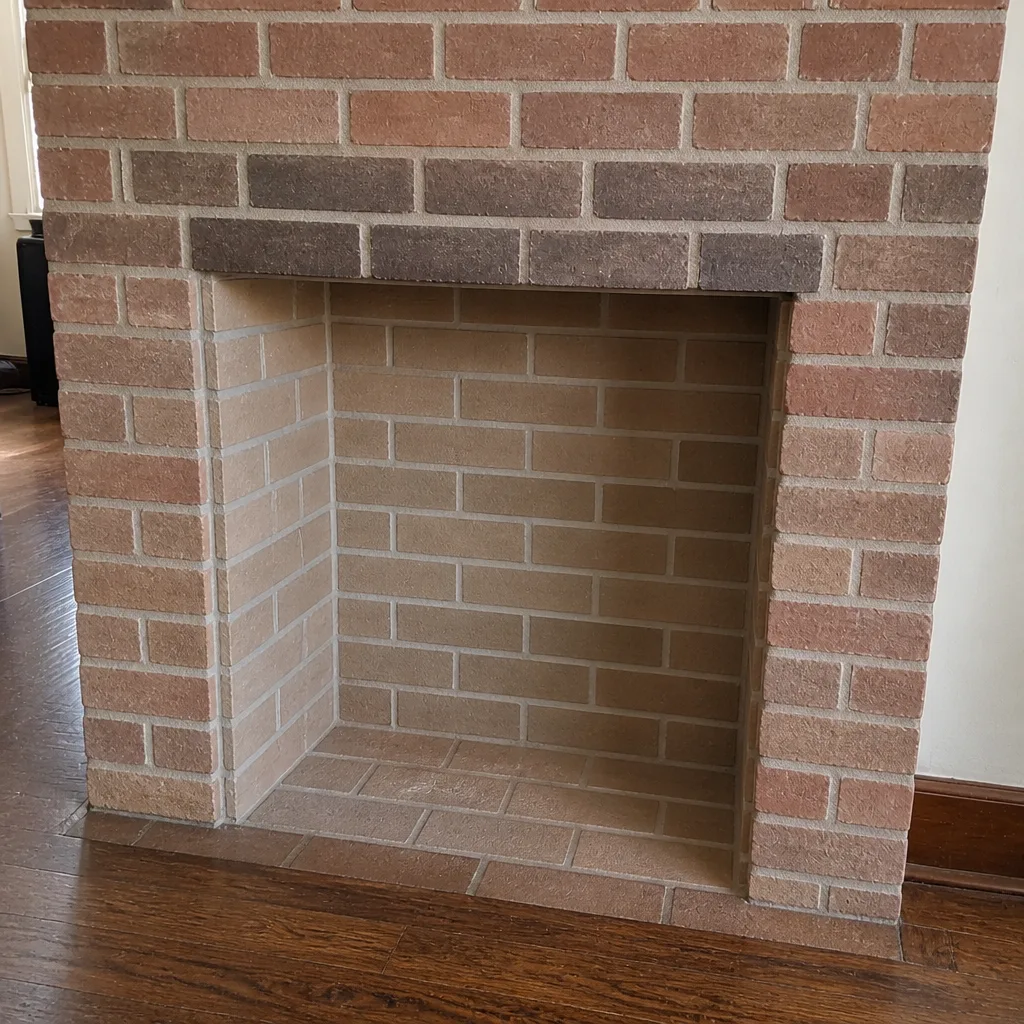
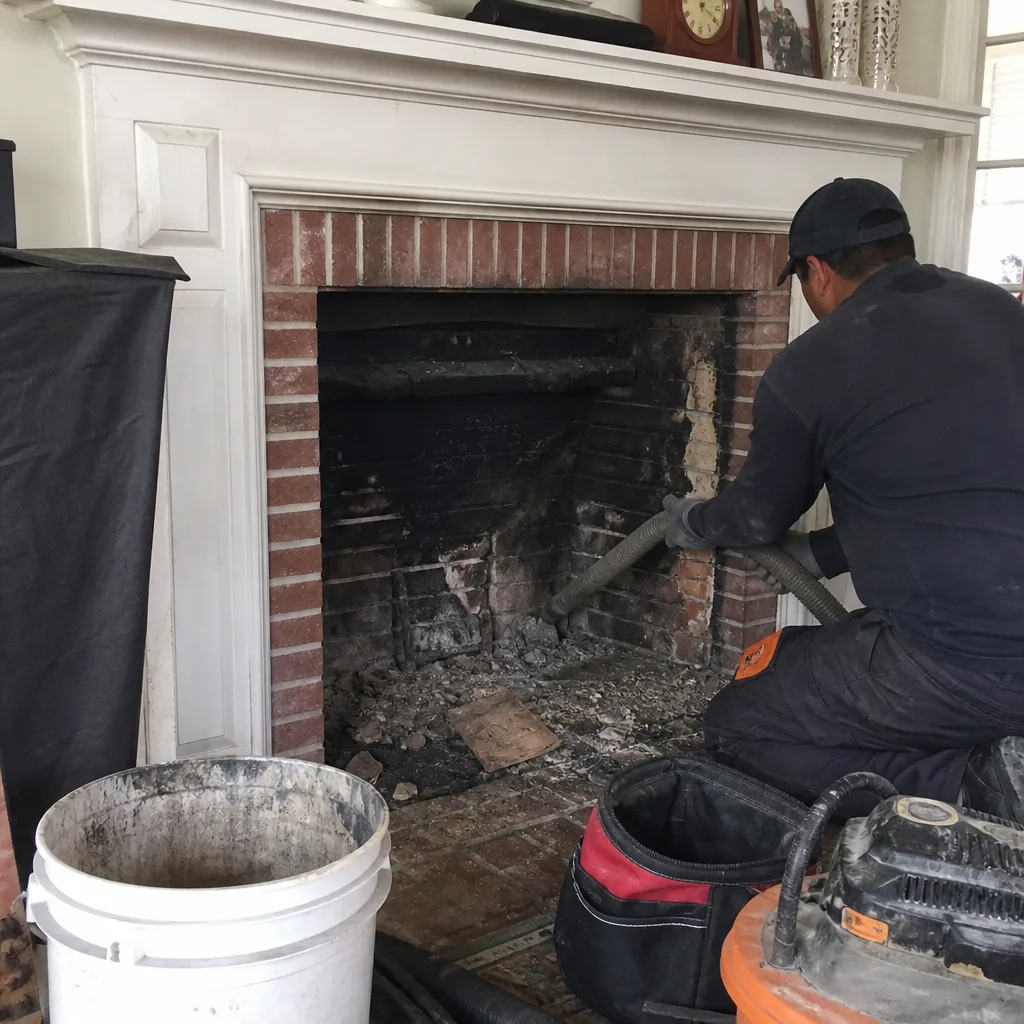
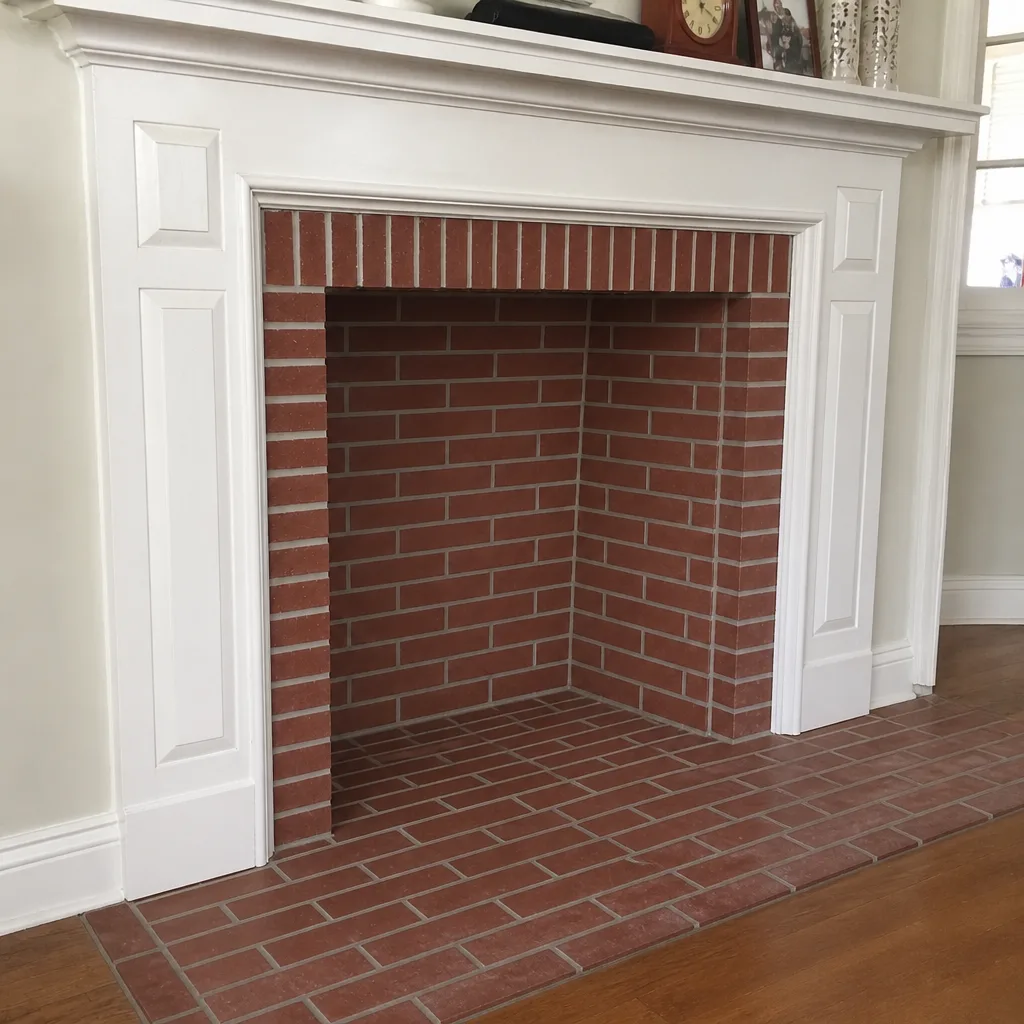
See the difference
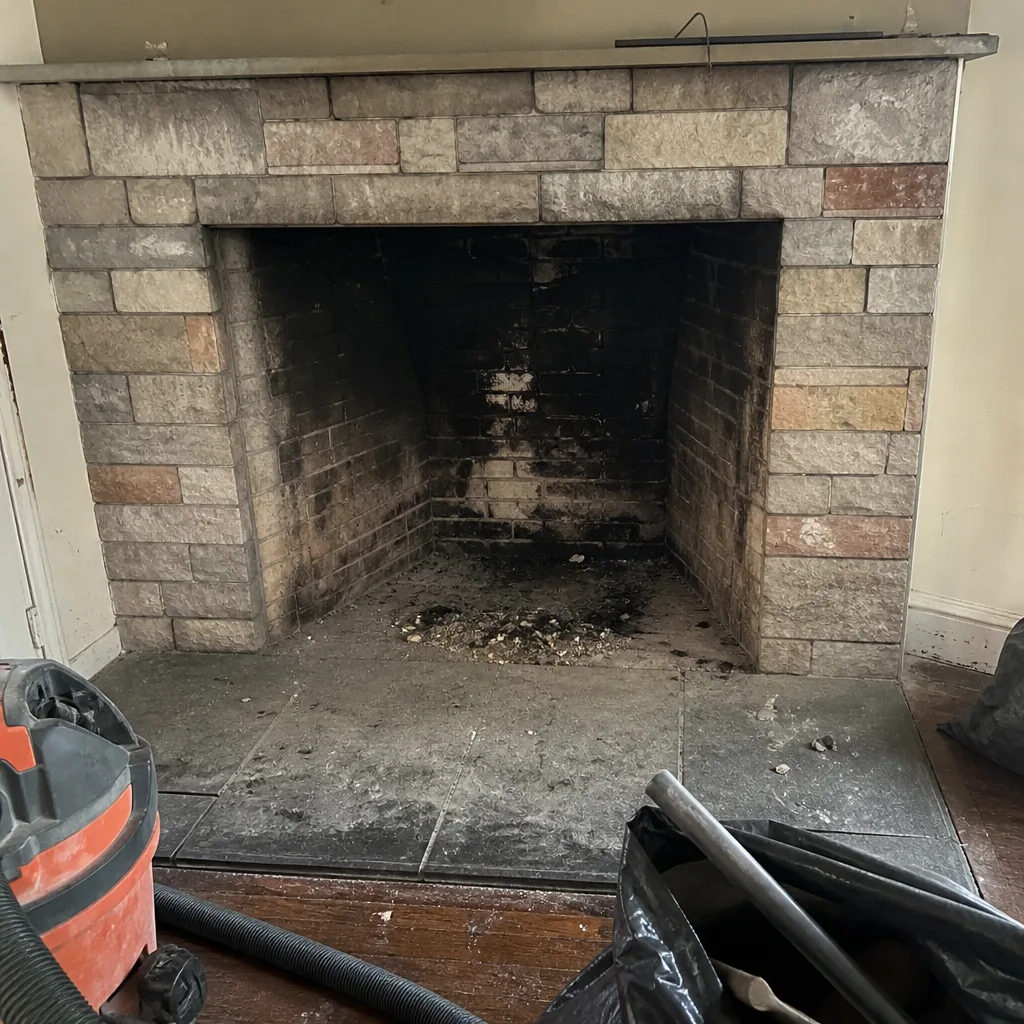 Before
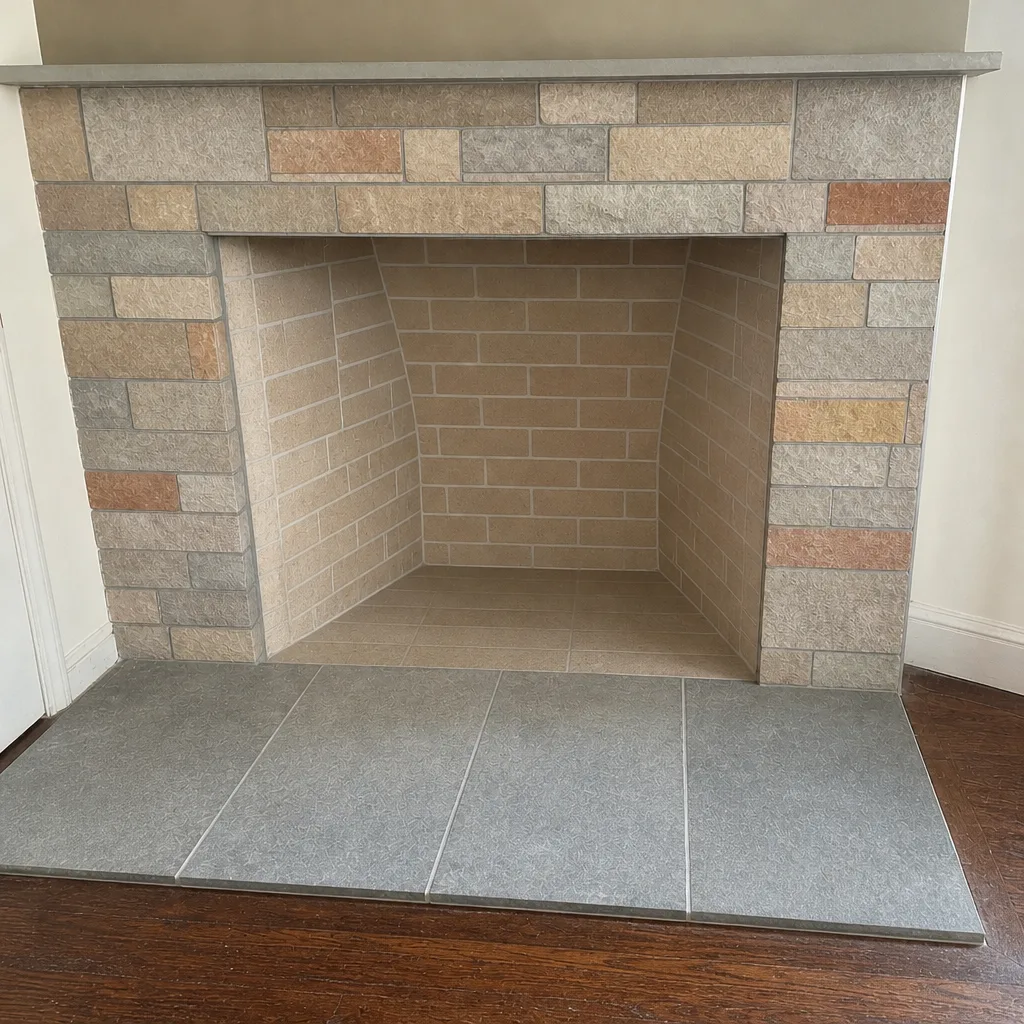 After
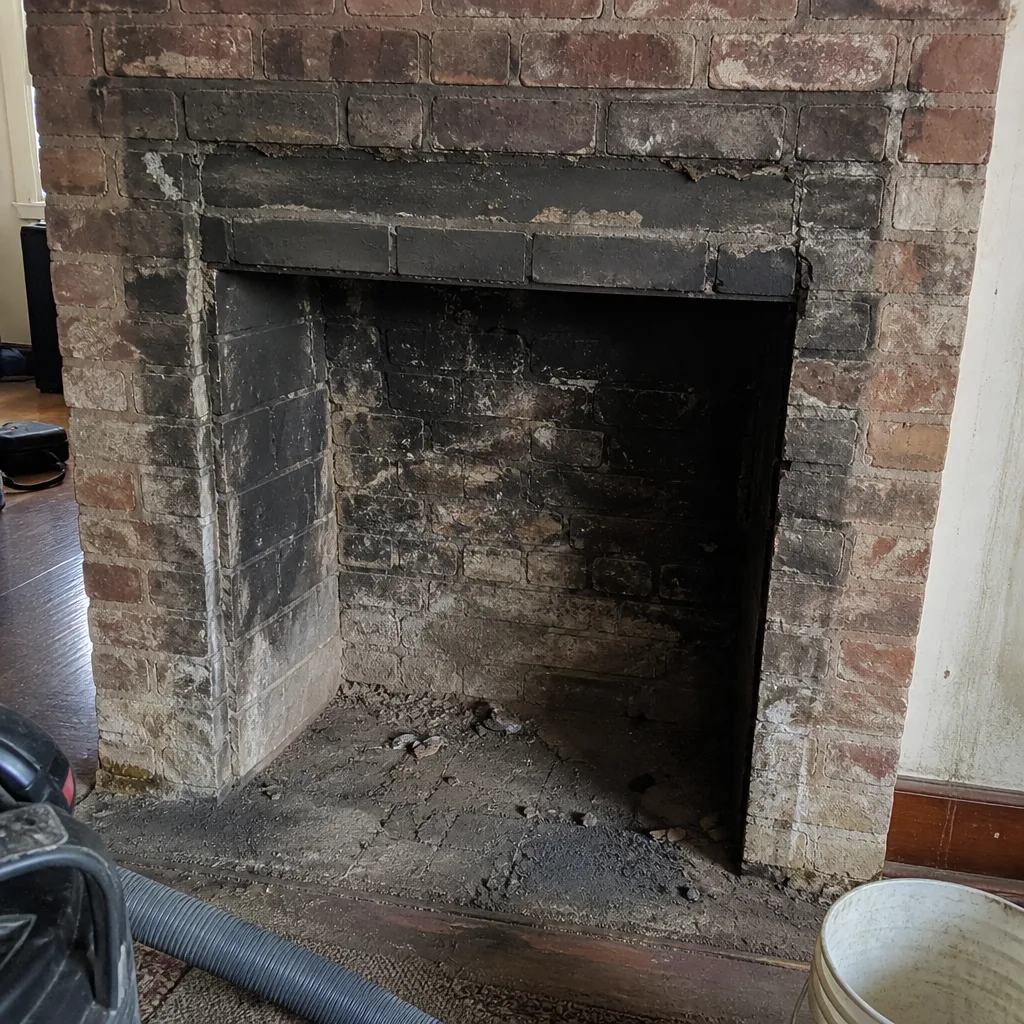 Before
 After
 Before
 After