
Last updated November 22, 2026
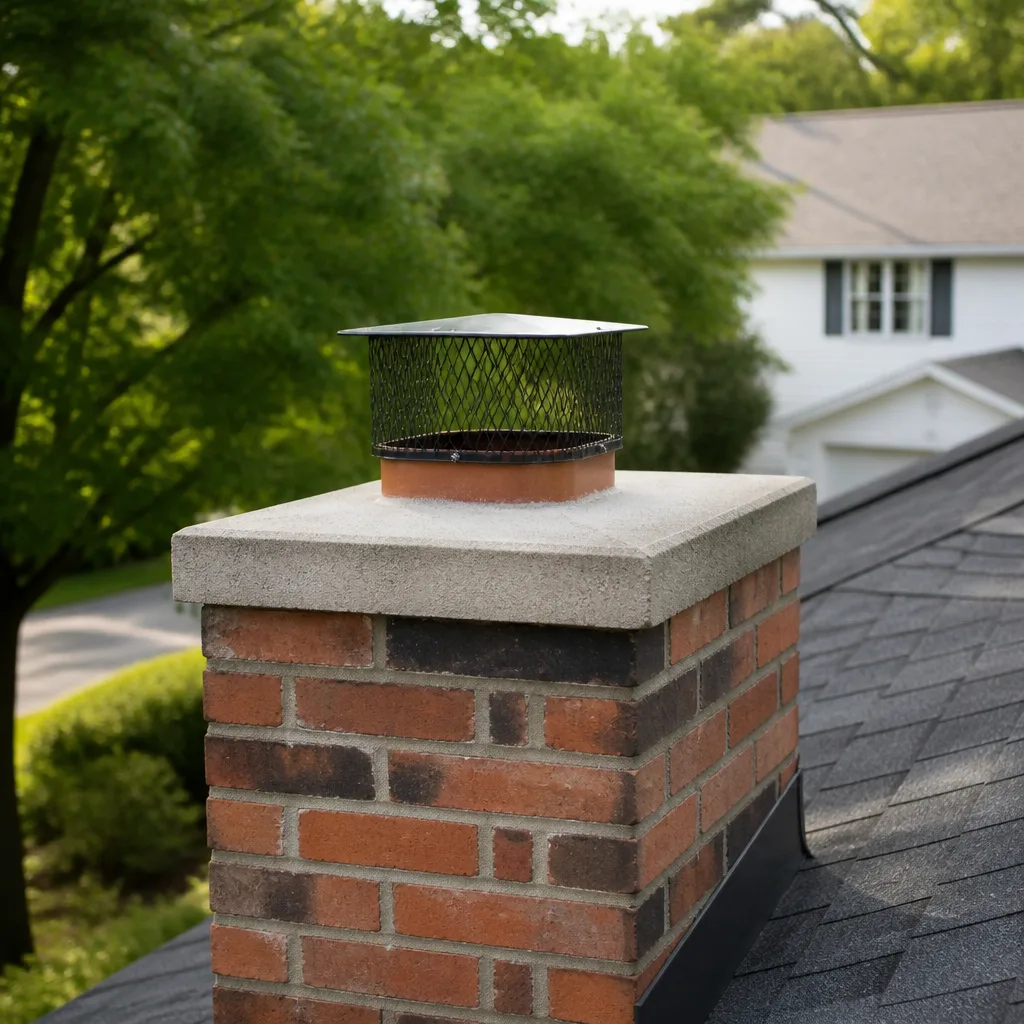 Sweep & inspection
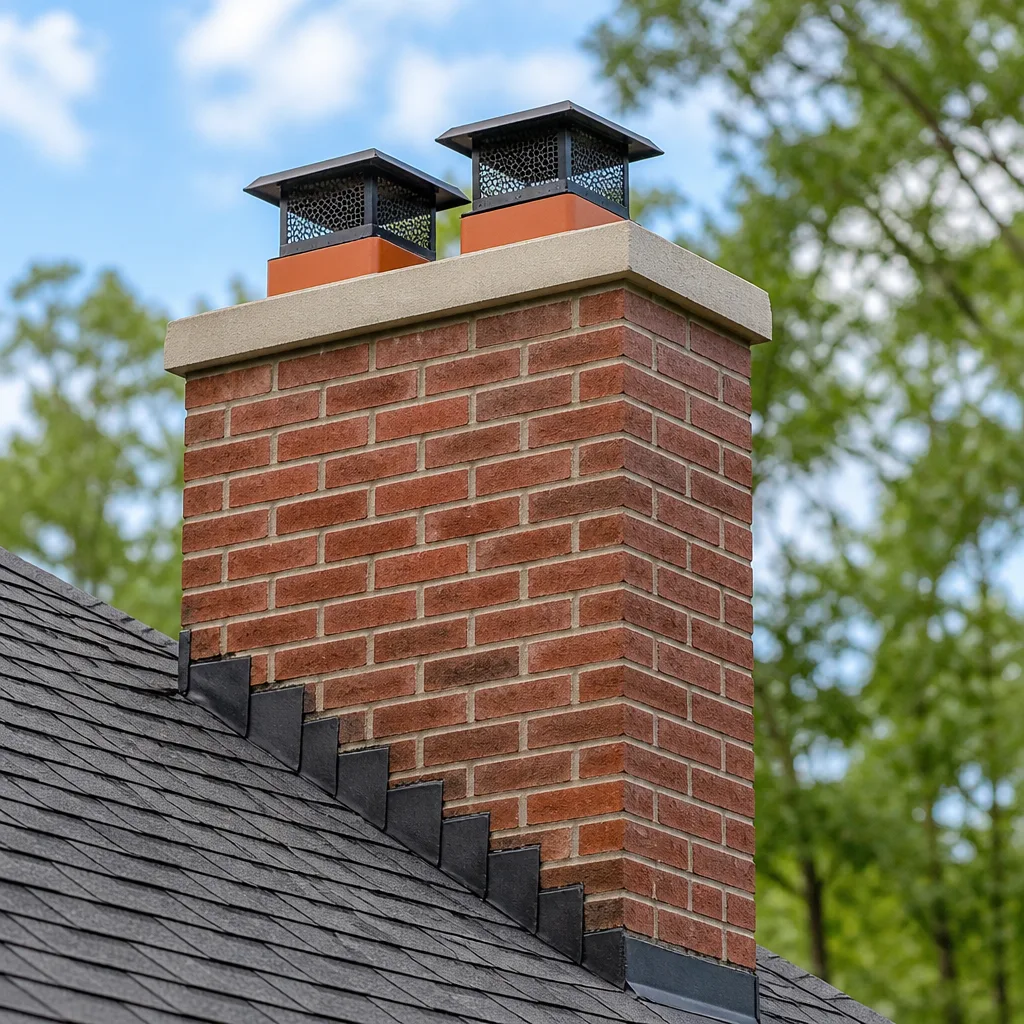 Caps & crowns
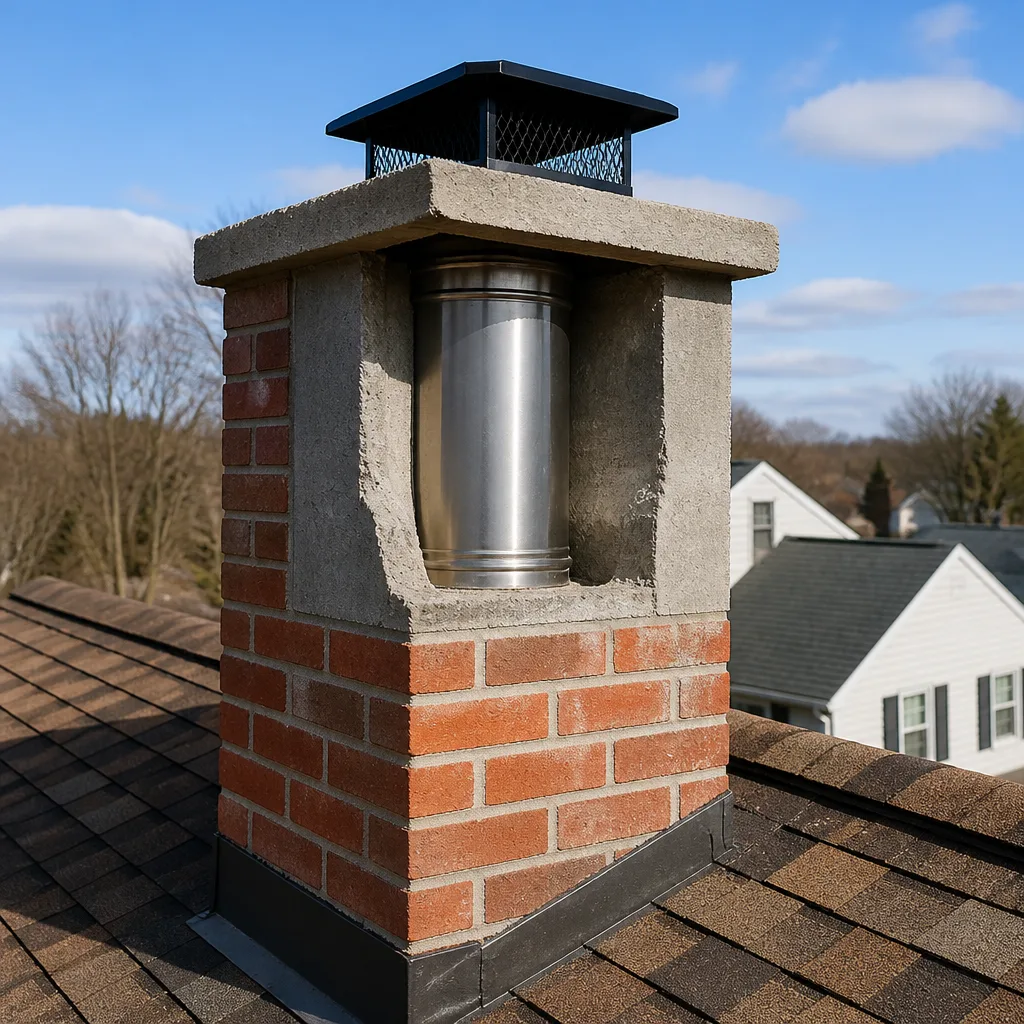 Flue relining
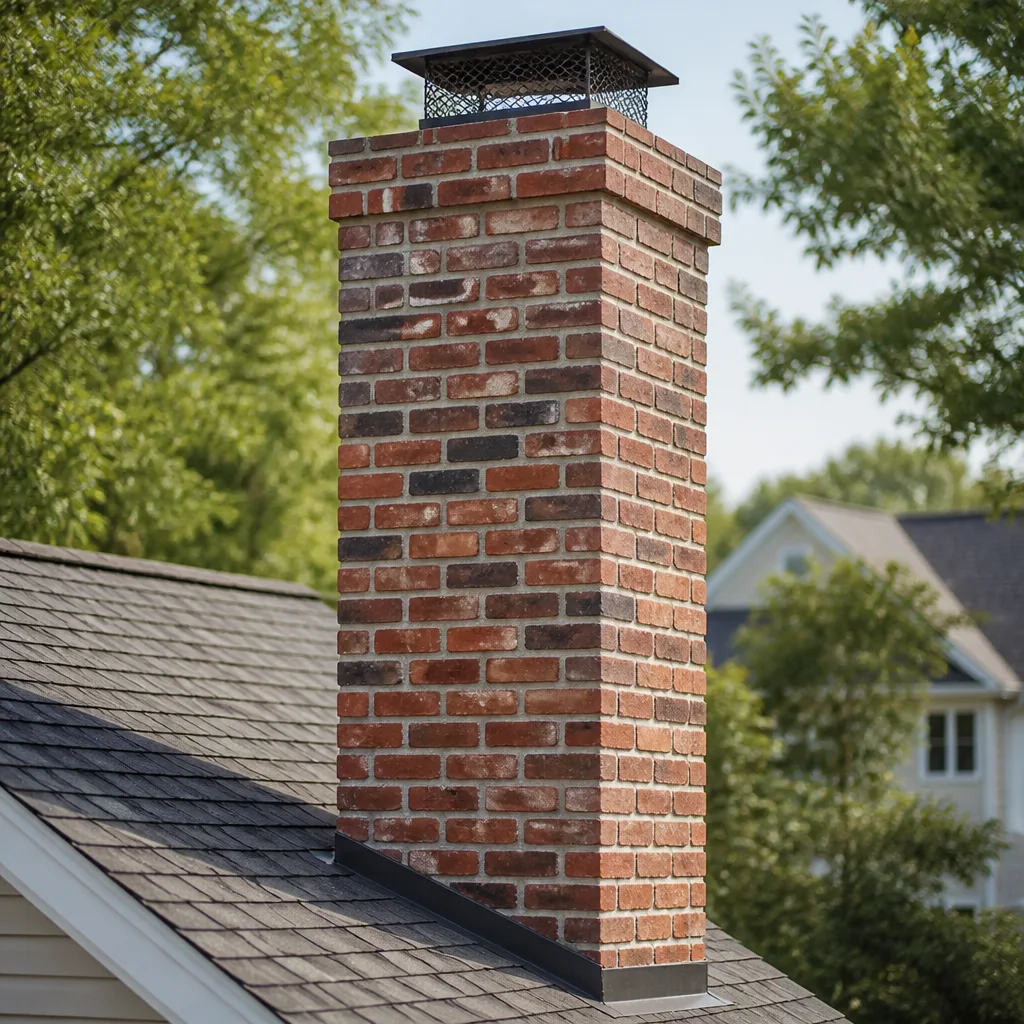 Masonry repair
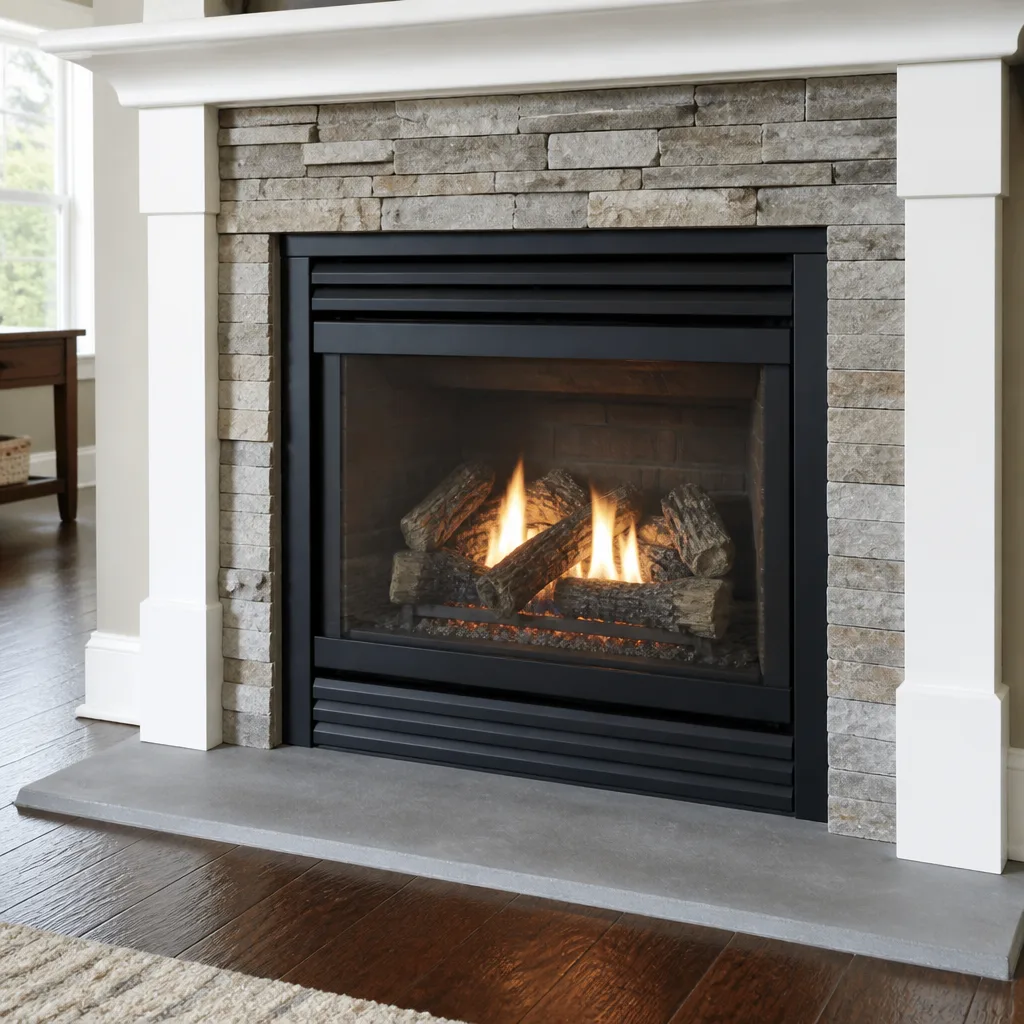 Gas fireplace service
Level 1 sweep and inspection to the NFPA 211 annual standard - flue, crown, cap, and flashing checked and photographed
Chimney sweep logs do not sweep chimneys. They loosen some creosote - which then falls where a brush and vacuum still have to collect it.
How to Hire a Chimney Cleaning Contractor in Northeast Philadelphia: A Step-by-Step Guide
The most expensive chimney mistake Northeast Philadelphia homeowners make isn’t skipping the cleaning. It’s hiring a sweep who finds a cracked liner mid-inspection and then hands them a referral to a mason nobody has vetted, adding weeks to the timeline and a layer of markup to a job one qualified contractor could have finished in a single visit. Chimneys fail in layers: heat, creosote, moisture, and settling all work at the flue, the crown, the firebox, and the joints at once. The company you hire should be able to read all of it and fix all of it. This guide walks through how to vet a contractor before you book, what to ask, how to read the estimate, and what should make you walk away.
Quick Answer
The right way to hire a chimney cleaning contractor in Northeast Philadelphia is to verify CSIA Certified Chimney Sweep and NFI credentials directly, ask up front whether liner and masonry work is handled in-house or referred out, insist on a camera-based inspection, and get a written estimate that names what’s included line by line. A contractor who passes those four tests is almost always the one to hire.
Styles & brands we work with
- Sweep & inspection
- Caps & crowns
- Flue relining
- Masonry repair
- Gas fireplace service
Table of Contents
- Why Full-System Capability Matters More Than the Sweep Itself
- The Credentials That Actually Matter (and How to Verify Them)
- Questions That Reveal Whether Work Is Done In-House
- Step-by-Step: How to Vet a Contractor Before You Book
- Red Flags Specific to the Northeast Philadelphia Market
- How to Read a Written Estimate
- Why a Level 2 Inspection Protects You at Home Sale
- When to Call a Professional
Why Full-System Capability Matters More Than the Sweep Itself
Sweeping is the easy part of chimney work, and it’s the part almost every operator can do. What separates contractors is what happens when the sweep uncovers a problem: a cracked clay tile, a spalled crown, a warped damper, a firebox with failing mortar joints. If the company you hired can only clean, that discovery turns into a referral, a second appointment with someone else, and a second estimate from a stranger.
Northeast Philadelphia’s housing stock makes this a frequent problem. Many of the rowhouses and twins throughout the Far Northeast, Mayfair, Holmesburg, and Bustleton were built decades ago with clay tile liners that have since deteriorated. That means the number of homes where a routine sweep turns into a repair conversation is high, not exceptional. Full-system chimney service from the firebox to the crown is the point: the same company that finds the problem should be equipped to explain it, price it, and correct it.
We use HeatShield for chimney liner resurfacing because it addresses a specific failure mode that a sweep-only operator simply cannot solve. Deteriorating clay tile that hasn’t yet lost structural integrity can often be resurfaced rather than torn out. DuraFlex flexible stainless liners let us retrofit older flues without full demolition, which is often what an aging rowhouse chimney needs. Gelco and Olympia Chimney components round out the picture where a cap, a top plate, or a liner connection needs replacement. The reason we name these brands is not marketing; it’s that a contractor who knows which product solves which specific problem is a contractor who won’t hand you a vague “you need a liner” invoice and leave the rest to you.
The Credentials That Actually Matter (and How to Verify Them)
Two credentials carry weight in this trade: CSIA Certified Chimney Sweep and NFI certification for hearth appliances. Anyone can print a card. Verification is what separates a real credential from a photo-shop logo on a van. Here is what to check and how.
- CSIA Certified Chimney Sweep. The Chimney Safety Institute of America maintains a searchable directory of certified sweeps. Look up the company name and the individual technician before you book. Certification requires an exam and continuing education; it expires if lapsed.
- NFI credentials. The National Fireplace Institute certifies technicians on wood, gas, and pellet hearth appliances. If the contractor is inspecting or repairing the fireplace itself, not just the flue, NFI certification tells you they’ve been tested on that appliance category.
- State licensing and insurance. Ask for the license number and a certificate of insurance showing general liability coverage. A company that hesitates on either is not worth the savings.
- Continuing education. Ask when the technician last attended training and on what topic. Credentialed contractors can answer this without thinking; uncertified ones usually can’t.
In our experience the credential check eliminates about as many contractors as the estimate comparison does. The directory lookup takes two minutes and saves weeks of aggravation. If a company’s name doesn’t appear, ask why and don’t accept “we’re in the process.” A homeowner hiring a chimney sweep in Northeast Philadelphia has every right to check before booking, and any legitimate operation expects it.
Questions That Reveal Whether Work Is Done In-House or Referred Out
This is the single most useful line of questioning, and most homeowners never ask it. The goal is to learn, before you commit, whether the contractor who cleans your flue can also do liner replacement, cap and crown work, firebox repair, and structural masonry on the chimney itself. Ask the following on the phone, before the appointment:
- “Do you install chimney liners yourselves, or do you subcontract?” An in-house operation names the liner brands they work with and explains why. A referral operation gets vague, or names a mason they “work with.”
- “Can you resurface a deteriorating clay tile liner, or does every liner job mean full replacement?” A contractor familiar with HeatShield will understand the question. A sweep-only operation usually won’t.
- “Do you do crown and cap work, or is that a separate contractor?” Crowns fail constantly on older Northeast Philadelphia roofs. If it’s a separate trade, you’re hiring twice.
- “Do you repair fireboxes, or only clean the flue?” The firebox is the part of the chimney system most exposed to heat. Bridging chimney and fireplace work in one contractor is a real capability, not a marketing line.
- “Will the inspection be camera-based, and do I get the footage?” If the answer is no, or “we don’t always need a camera,” that’s a red flag. Video scanning is the difference between an opinion and evidence.
The pattern in the answers tells you more than any single response. A contractor who handles the full system answers these confidently and specifically. One who refers out most of the work will hedge, name a partner, or steer the conversation back to the cleaning price.
Step-by-Step: How to Vet a Contractor Before You Book
Work through these steps in order. Each one takes minutes and eliminates a category of contractor that isn’t right for the job.
- Look up the CSIA and NFI credentials. Search the certification directories for the company name. No listing, no booking.
- Ask for the license number and proof of insurance. Verify the license with the issuing body. Any hesitation on insurance ends the conversation.
- Ask the in-house questions above. Liner, cap and crown, firebox, masonry. Confirm the contractor handles all of it, or ask exactly which parts get referred out.
- Request a Level 2 inspection with video scanning. This applies especially if there’s a known problem, the home is older, or the flue hasn’t been inspected in years. Camera footage should be part of the deliverable.
- Get a written estimate with line items. Each item should name the work, the material or product, and the price. Lump-sum “chimney repair: $2,400” estimates are impossible to evaluate.
- Ask what the estimate excludes. The most important question in the whole process. Anything not on the estimate will be an upsell once work starts.
- Compare, then book. Two or three estimates, not ten. Compare them on the same scope, not just the total.
We watch a lot of estimates get compared on price alone, and it’s the wrong read. A cheaper bid that refers out liner work is more expensive once the referral is added. A more complete bid that handles everything in-house is usually the fair one. Call (855) 658-4023 if you’d like to run a scope by us before booking anything. We answer 24/7. Fast dispatch from 7am to 7pm, Sunday through Friday.
Red Flags Specific to the Northeast Philadelphia Market
Northeast Philadelphia has a busy chimney service market, and some of it is door-to-door. The signs below are specific to what shows up in this area, and any one of them is enough to keep looking.
- $49 sweep door hangers. A sweep advertised that cheaply is a door-opener for the real sale, which is whatever the technician finds. The actual price of a proper sweep in Northeast Philadelphia depends on the flue, the access, and the state of the chimney; a flat teaser price hides that.
- Unmarked vans and no company identification. A contractor running the trade legitimately has insurance and licensing, and both show up on the vehicle or in the paperwork. A plain white van with a clipboard and no paperwork is a gamble.
- No video scanning. If the contractor inspects the flue by eyeball from the firebox and pronounces it fine, the inspection wasn’t an inspection. Camera scanning is the standard, and reputable contractors use it on every job of any complexity.
- Estimates that name a problem but no product. “You need a liner” without naming the product or explaining why it fits your flue is a sales line, not a diagnosis. HeatShield, DuraFlex, Gelco, Olympia Chimney, Famco, and Copperfield are the kinds of brands a real contractor names because they know which one fits which failure.
- Pressure to decide on the spot. A legitimate contractor handles the work, not the close. A written estimate with clear scope lets you compare, and a company confident in its work isn’t afraid of you comparing.
- No documented inspection report. A camera scan and photo report should be delivered to you in writing. Verbal findings evaporate; documented ones don’t.
How to Read a Written Estimate
The purpose of reading an estimate carefully is to spot what isn’t on it before the work starts. A written estimate should name each task, the product or material involved, and a price for each. Anything bundled into a single lump sum is impossible to check, and anything omitted becomes an add-on later. Here is what a useful estimate contains:
- Scope line by line. Sweep, inspection, cap or crown repair, liner work, firebox repair, and masonry should each appear separately if they’re part of the job.
- Product names. “Stainless liner” is not specific enough. The contractor should be able to say whether it’s a DuraFlex flexible liner, whether the flue is being resurfaced with HeatShield, and why that choice fits the flue condition.
- What’s excluded. If a crown repair is needed but not in the estimate, ask why. Exclusions are the part of the estimate homeowners most often miss.
- The inspection report. Camera footage and photo report should be included, not offered as an extra.
- Terms in writing. The written estimate sets the final price. Get that in writing.
Estimates are free, and there is no call-out fee, diagnostic fee, or trip charge hiding in the scope we discuss. Pricing is per job and set by the written estimate. A clear scope is how you answer the question “Do I really need this?” without trusting the person selling it to you.
Why a Level 2 Inspection Protects You at Home Sale
If you’re buying or selling a home in Northeast Philadelphia, a Level 2 inspection is the smartest thing to schedule before the contract goes firm. A Level 2 inspection is the standard inspection for real estate transactions: it covers the accessible parts of the chimney, the firebox, the damper, and the flue via camera scan, and it can include a check of the attic, crawlspace, and any adjoining structure. It documents the chimney’s condition in writing.
That documentation matters in a few ways most sellers don’t anticipate. It gives the buyer a written record of what the chimney’s condition actually was, which is useful if a future owner later claims a problem existed at sale. It also gives you an independent baseline for negotiations. A sweep-only provider can offer a cleaning, but they typically cannot provide the structural and liner-level findings that a Level 2 covers. Full-system chimney service means the same contractor can do the inspection and, if need be, the chimney repair that the inspection uncovers, without a second contractor arriving to give a second opinion.
Whether a formal chimney inspection is required at sale in Philadelphia depends on the transaction and the lender, and that’s worth verifying with your real estate professional. But a Level 2 you commission yourself is never wasted. It’s the only document in the transaction that describes the chimney as a system, not as a marketing impression.
When to Call a Professional
Call a professional when the chimney is showing any of the following, and do not attempt to handle these yourself: creosote buildup you can’t see, a cracked or missing cap, a crown with visible cracks or spalling, any sign of water intrusion in the firebox, a damper that won’t fully close, or a fireplace that has never been inspected. The same goes for any gas appliance venting through the chimney, and for any chimney on a home you’ve recently purchased. Carbon monoxide risk is the reason these inspections aren’t optional. A trained eye and a camera find what a flashlight doesn’t.
If you’re in Northeast Philadelphia and you’re ready to book a sweep or an inspection, Chimney Sweep Northeast Philadelphia offers free estimates in Northeast Philadelphia – call (855) 658-4023. We answer 24/7. Fast dispatch from 7am to 7pm, Sunday through Friday.
See the difference
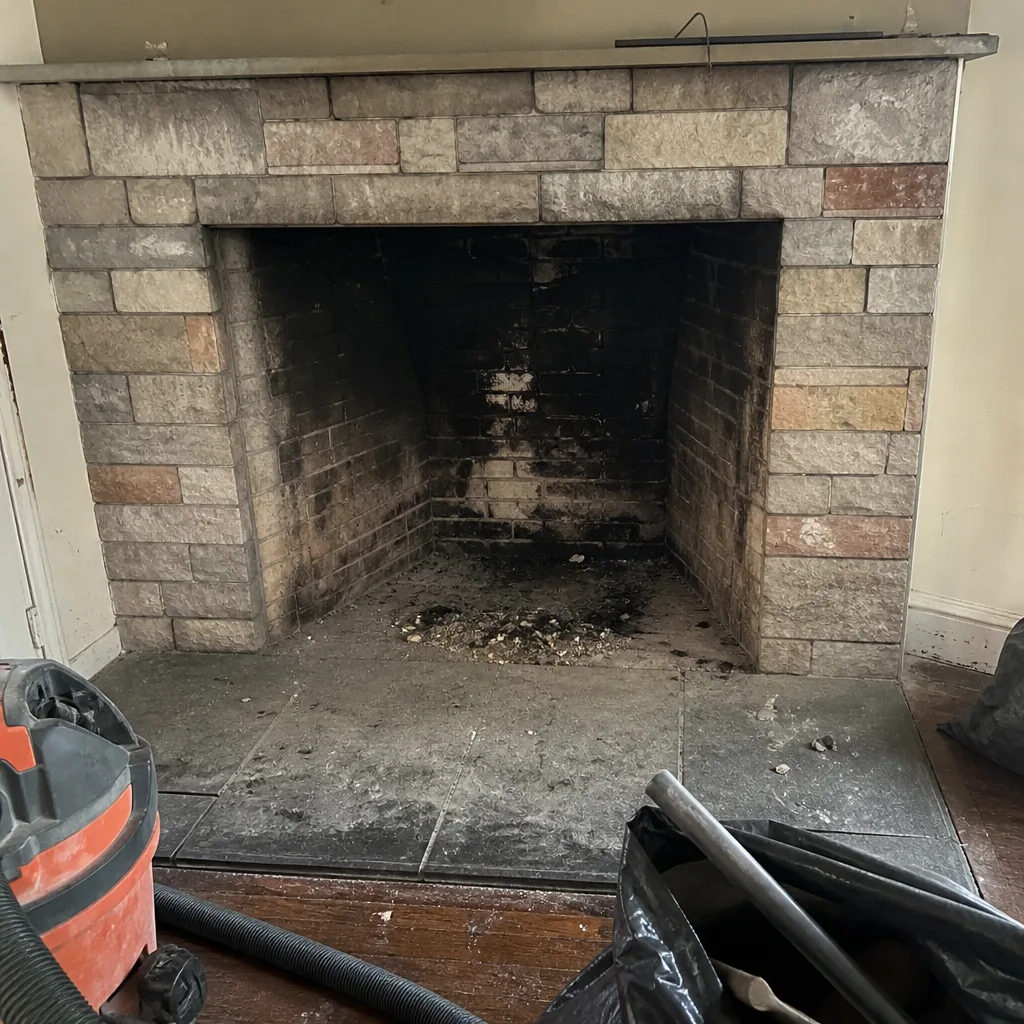 Before
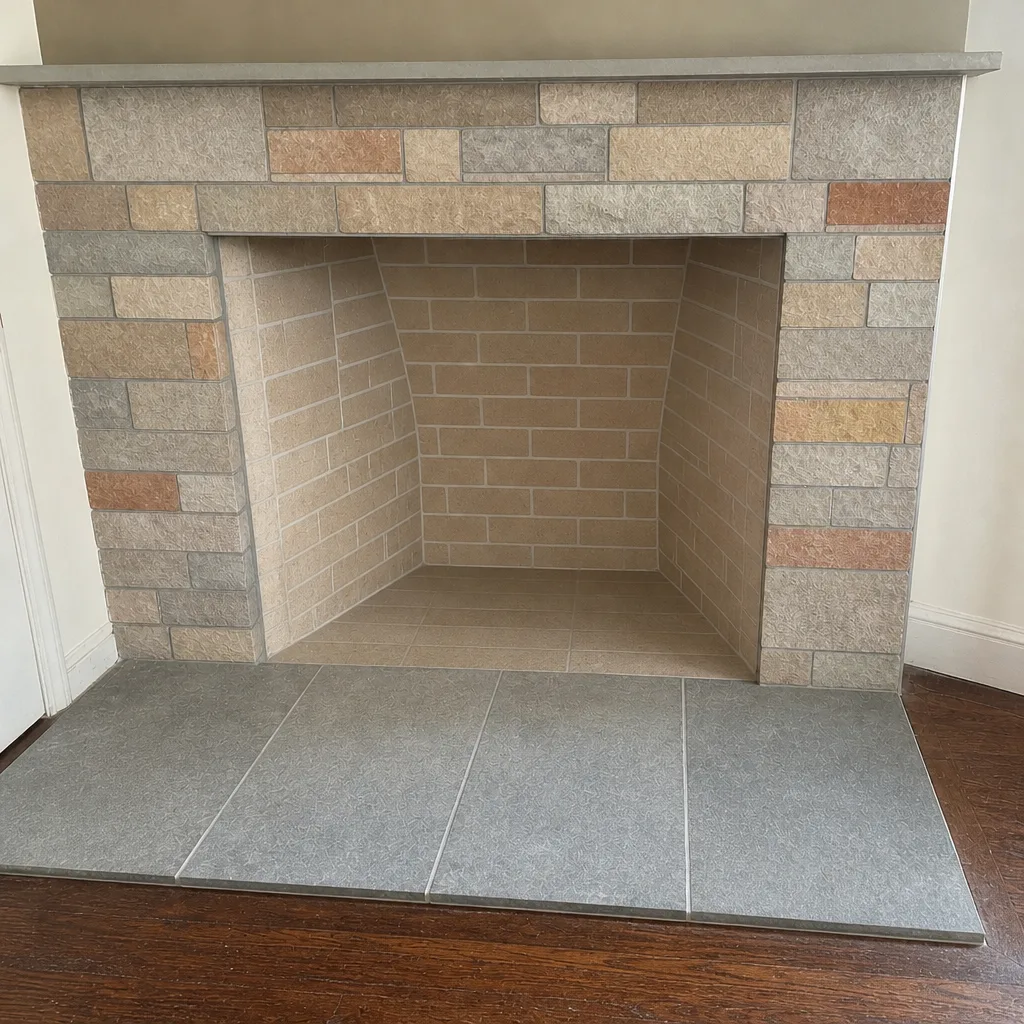 After
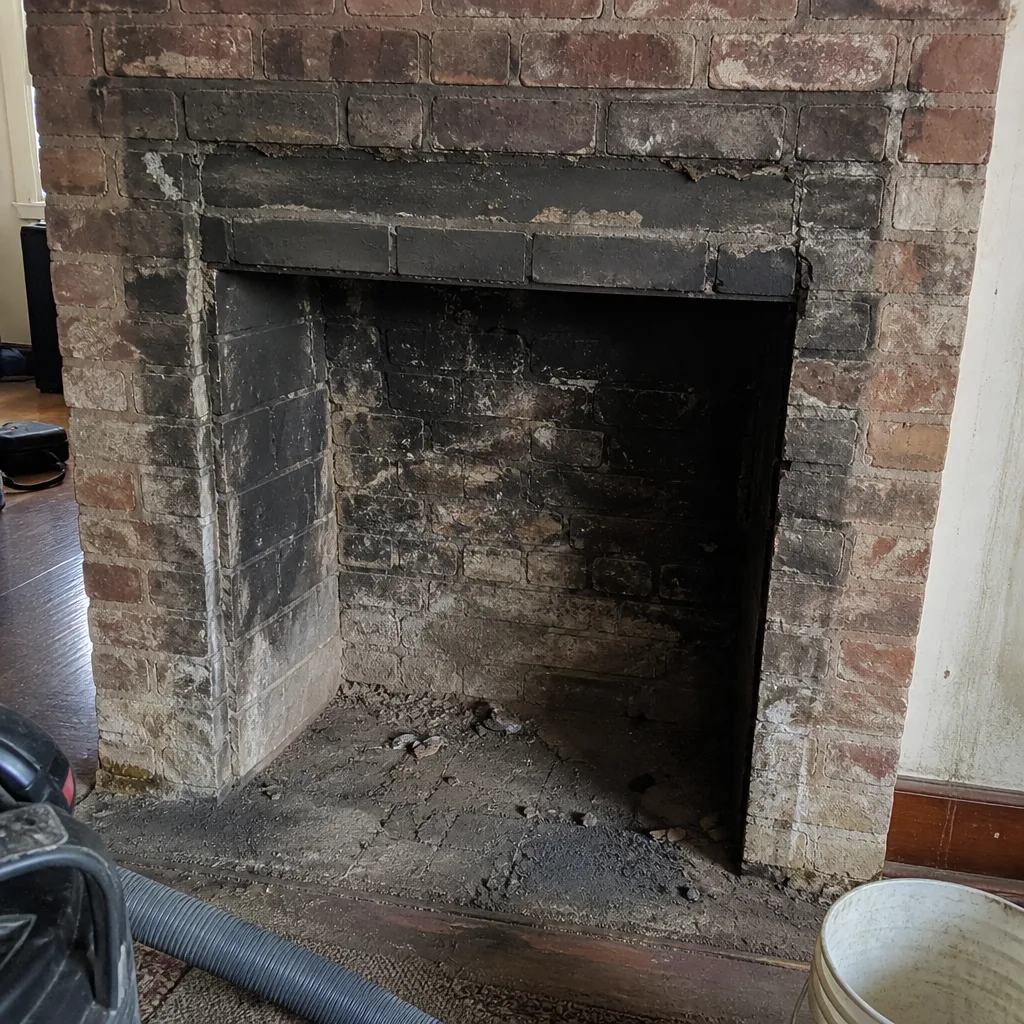 Before
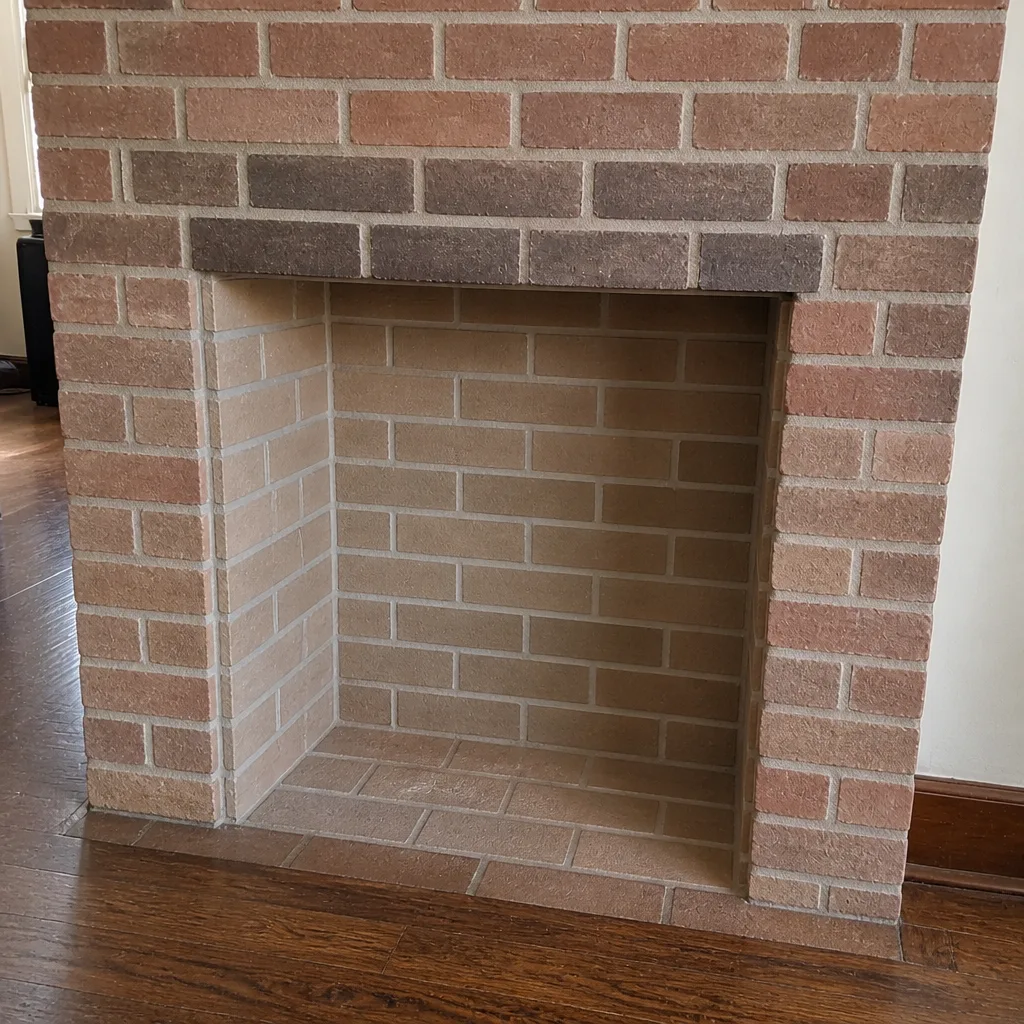 After
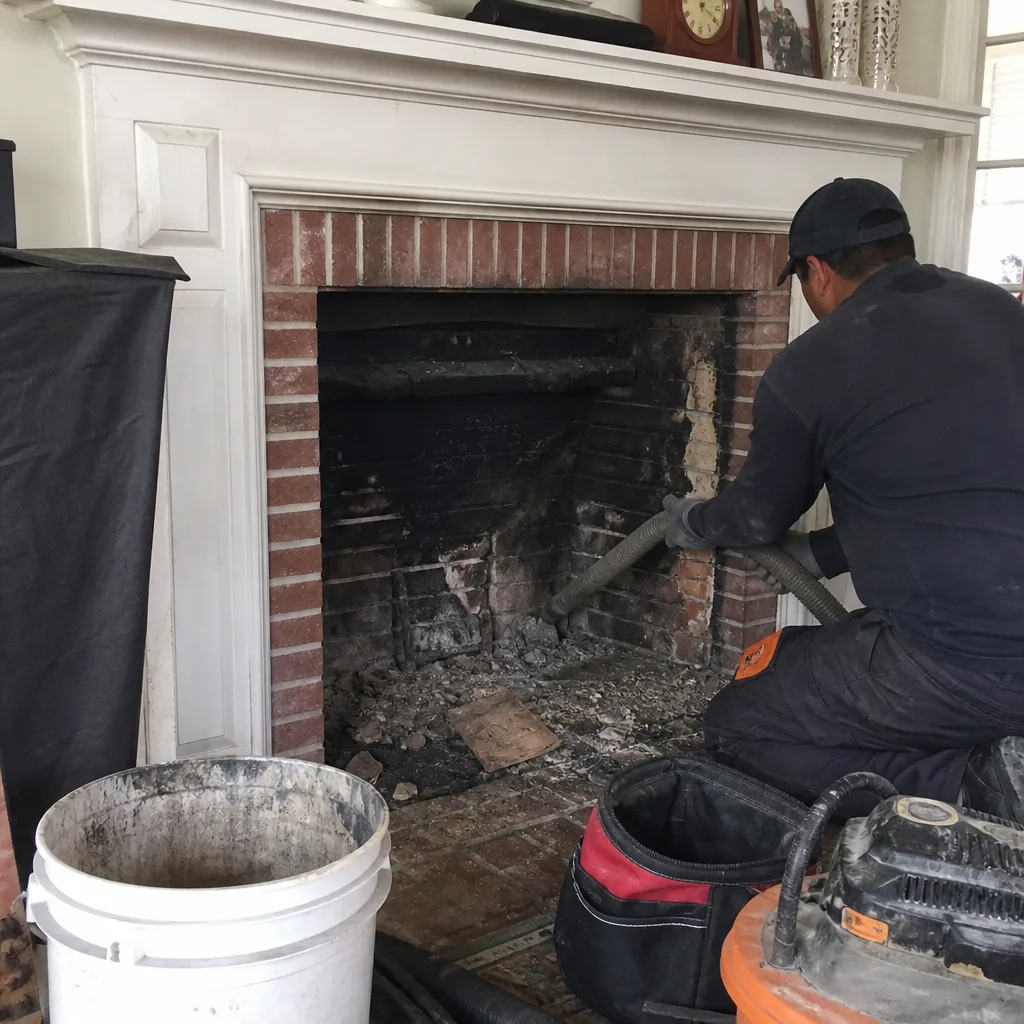 Before
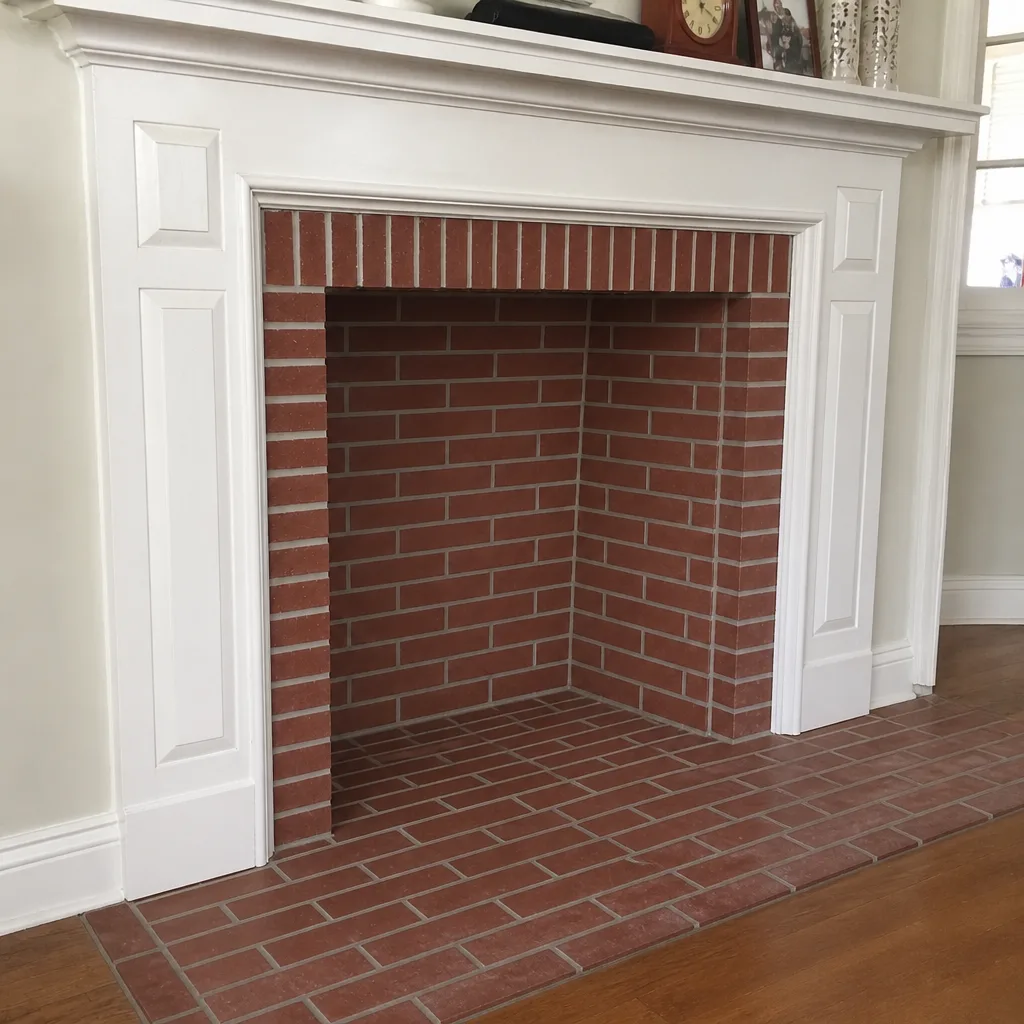 After
Frequently Asked Questions
Most chimney sweeps in Northeast Philadelphia run in the range of a normal service call for the trade, with the final number set by the written estimate after the contractor sees the flue. The estimate should be free and should spell out what the sweep includes: brushing, camera check, and a written report. Call (855) 658-4023 for an exact quote; estimates are free.
A chimney contractor in Northeast Philadelphia should hold CSIA Certified Chimney Sweep status and carry NFI certification if they service hearth appliances. Verify both through the CSIA and NFI directories, not just a card at the door. State licensing and proof of insurance are separate checks, and both should be confirmed in writing.
Not necessarily. Whether you need a new liner depends on the actual condition of the clay tile inside your flue, which is what a camera scan is for. Deteriorating tile that isn’t structurally compromised can sometimes be resurfaced with a HeatShield liner rather than replaced, and a failed tile joint is often best addressed with a DuraFlex flexible stainless liner retrofit. Nothing should be recommended without camera evidence you can see for yourself, and in many cases liner work can safely wait until you’ve reviewed the report. Call (855) 658-4023 to book an inspection.
The standard guidance is once a year for wood-burning chimneys that get regular use. If you burn less frequently, the annual sweep is still worth doing because it’s also the annual inspection. Skipping the inspection is where most of the real risk lives, because the problems that matter are the ones you can’t see from the firebox. A yearly sweep plus a camera check is the simplest way to stay on top of it. Call (855) 658-4023 to schedule one.
Skipping the sweep lets creosote accumulate in the flue, and heavy creosote is a chimney fire risk; it also lets small problems like a cracked crown or a failed tile joint grow into structural damage. Carbon monoxide is the other concern, because a compromised flue can vent combustion gases back into the home. Neither risk is dramatic in a single missed year, but the compound effect is real. Call (855) 658-4023 for an estimate and we’ll give you a clear picture.
Usually not. A sweep-only service can clean and inspect, but when they find a liner problem or a failed crown, they refer the work out, which adds a second contractor, a second appointment, and often a markup. A full-system contractor handles the sweep, the chimney cap & crown work, the liner, and the firebox repair themselves, which is what makes the diagnosis actually useful to you. Call (855) 658-4023 if you’d like to discuss a scope before booking.
Common Mistakes to Avoid
- Hiring on price alone. A low sweep price is a door-opener, and the real cost shows up in the findings. Compare estimates on scope, not on the cleaning line.
- Skipping the CSIA and NFI verification. A card at the door proves nothing. The directory lookup takes two minutes and eliminates the wrong contractors entirely.
- Not asking about in-house liner work. If the contractor refers out liner replacement, you’re hiring twice and paying twice. Ask before booking, not after.
- Accepting a verbal inspection. Camera footage and a written report are the deliverable. Anything less is opinion, and you can’t verify an opinion.
- Booking a sweep when you need a Level 2. Buying or selling a home in Northeast Philadelphia means a Level 2, not a routine sweep. Schedule the correct inspection the first time.
- Believing a lump-sum estimate. Line items with product names and prices are the only estimates you can actually evaluate. Lump sums mark up everything and reveal nothing.
- Not asking what’s excluded. Anything not on the estimate is an add-on once the work starts. Ask the exclusion question every time.
The Bottom Line
Hiring a chimney contractor in Northeast Philadelphia comes down to four checks: verified credentials, in-house capability for liner and masonry work, camera-based inspection with a written report, and a line-item estimate that names what’s included and what’s excluded. A sweep-only service is fine until it finds something, and then it isn’t. Full-system capability is the reason to hire a specialist over a generalist, and it’s the question most homeowners never ask until after the referral. If you’d rather start with a specialist who handles the full system from the firebox to the crown, we’re glad to help. Call Chimney Sweep Northeast Philadelphia at (855) 658-4023 for a free estimate. We answer 24/7. Fast dispatch from 7am to 7pm, Sunday through Friday.
Written by the team at Chimney Sweep Northeast Philadelphia.