
Last updated November 22, 2026
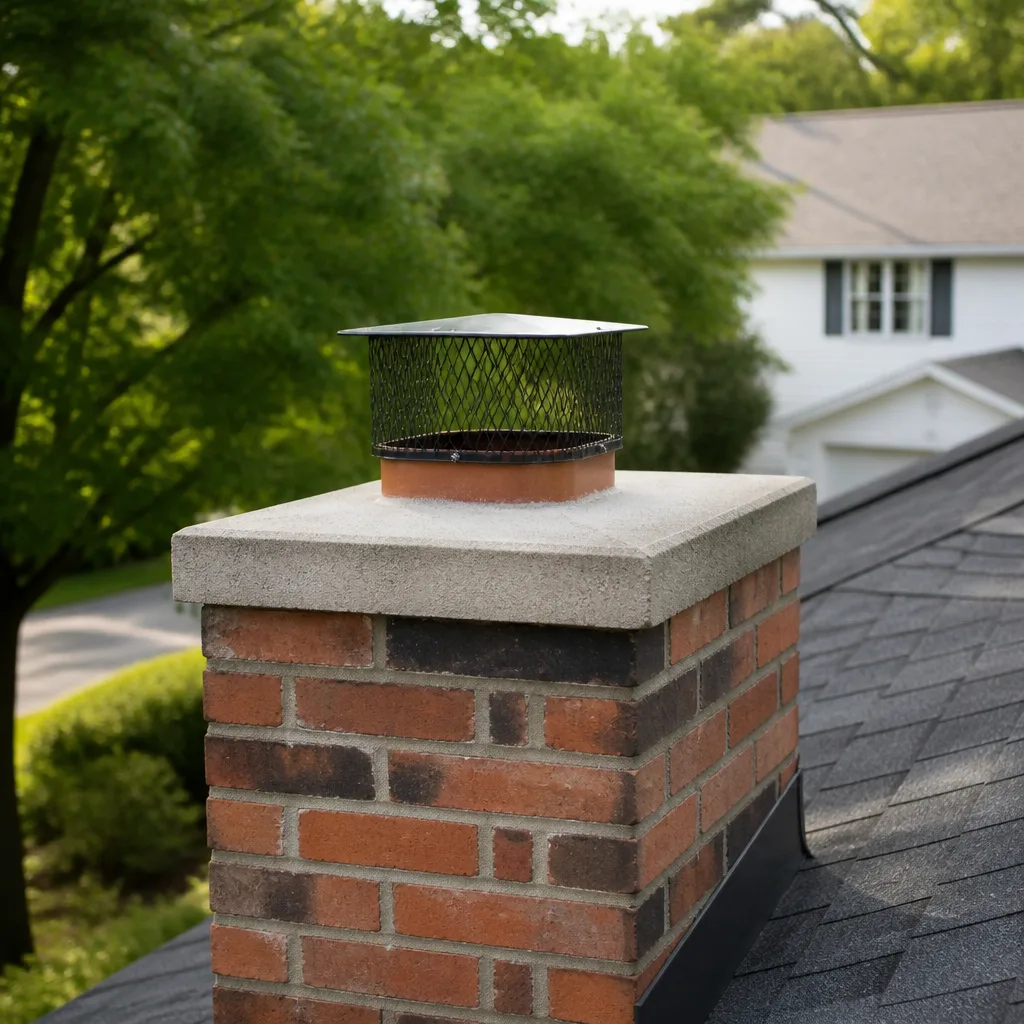 Sweep & inspection
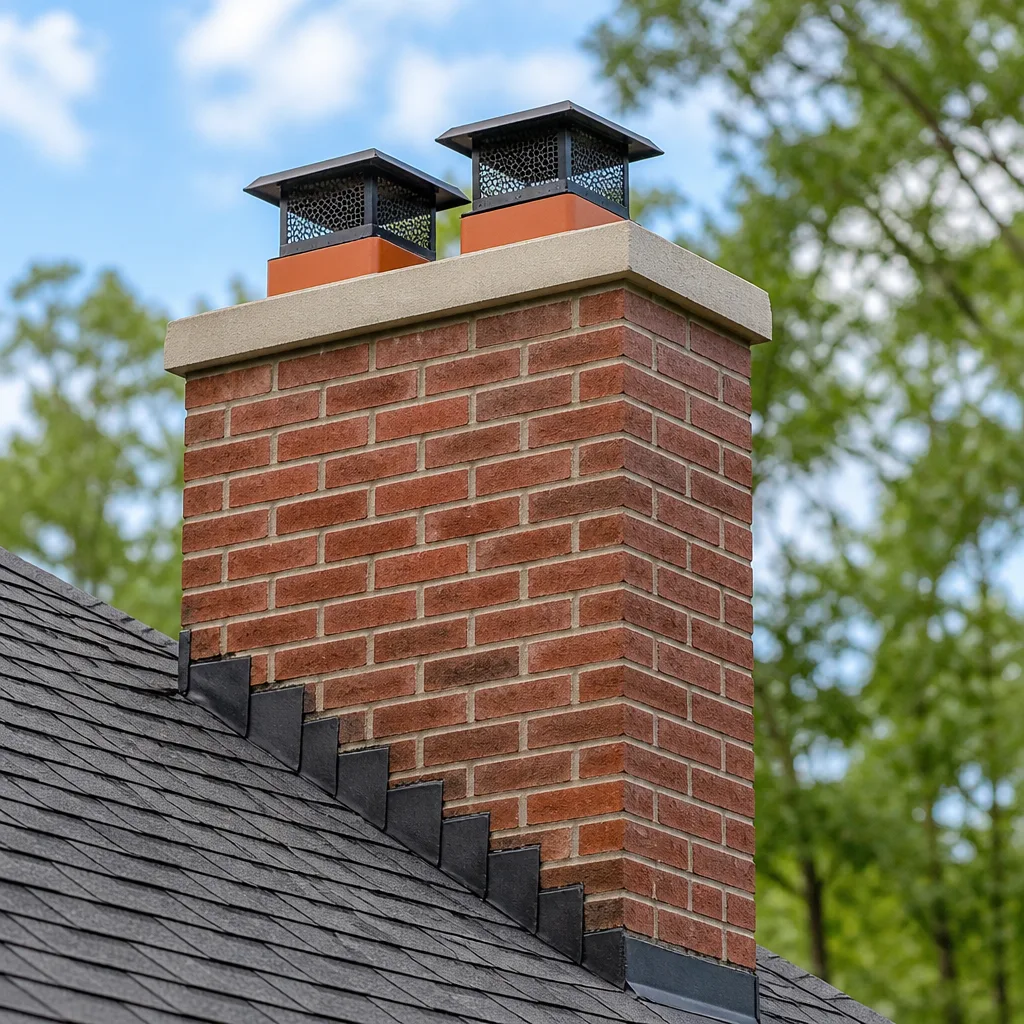 Caps & crowns
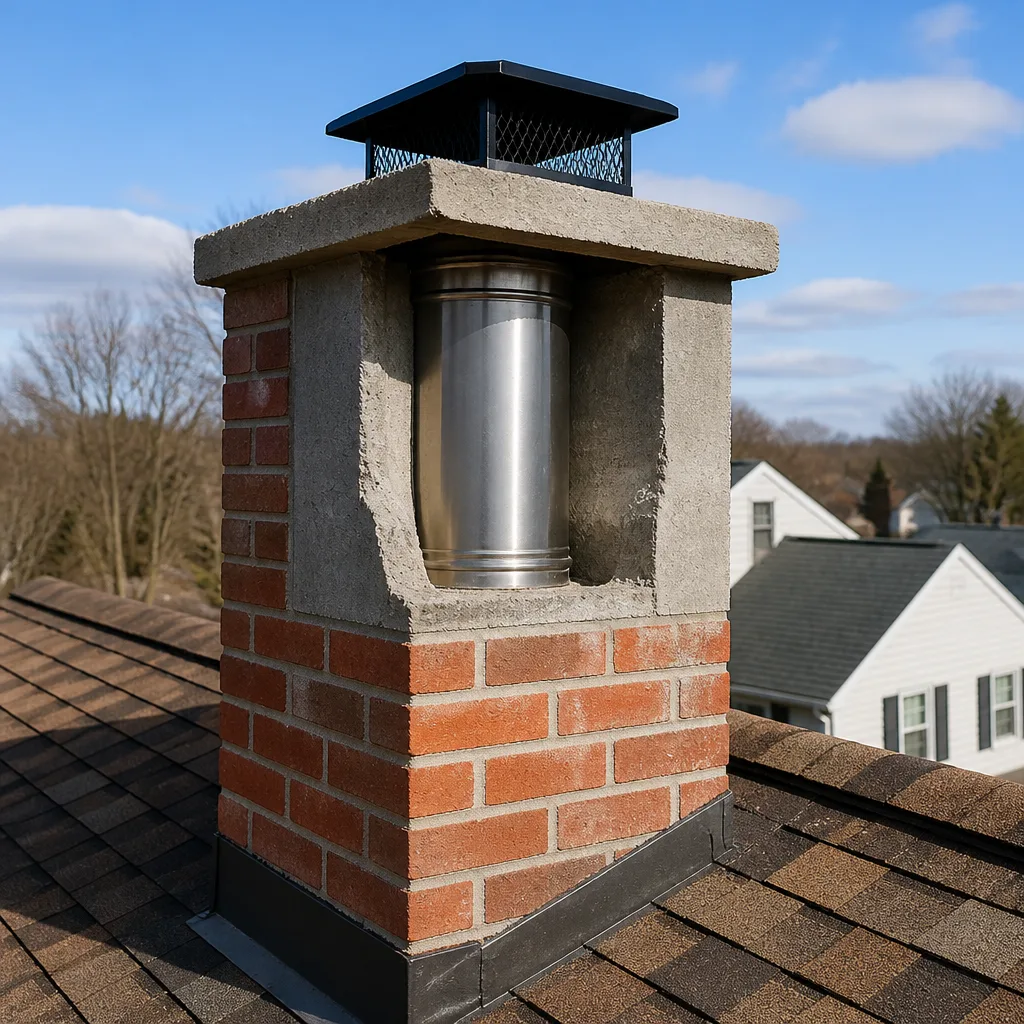 Flue relining
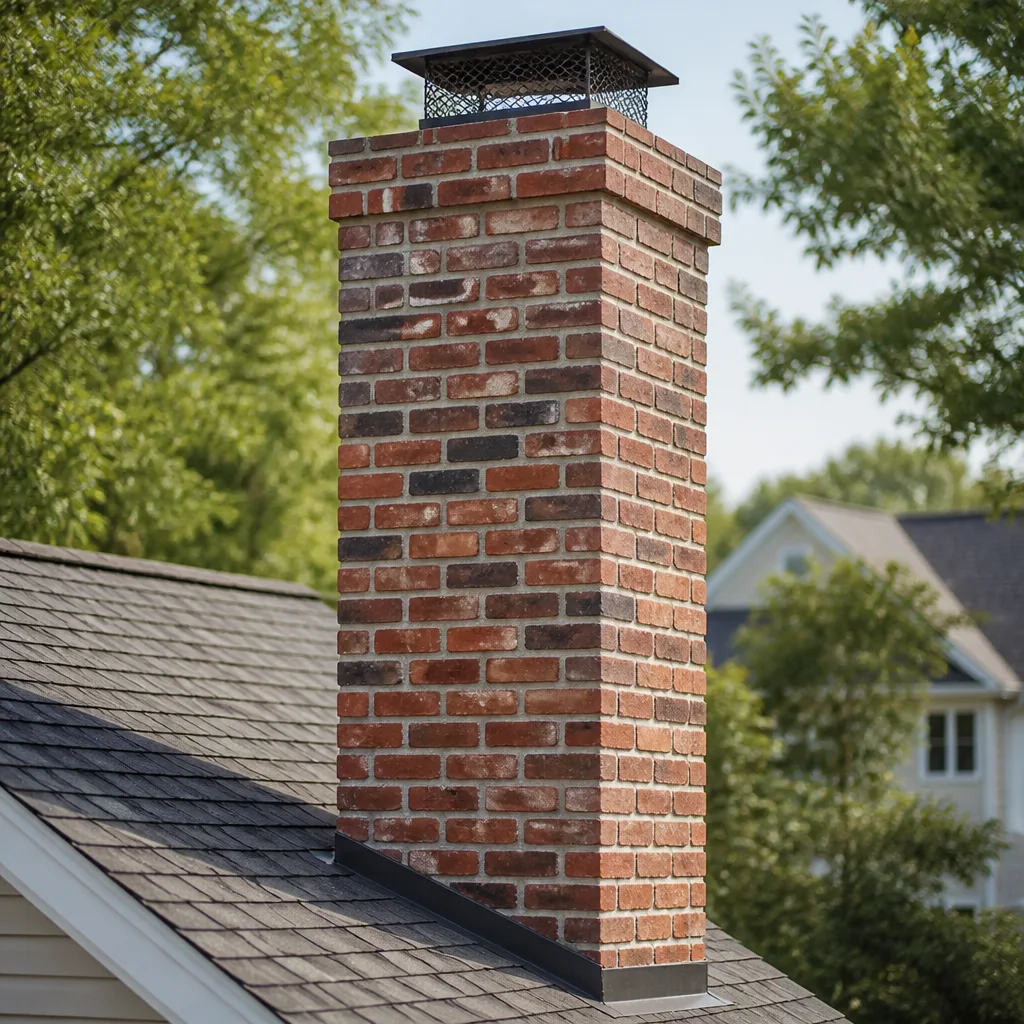 Masonry repair
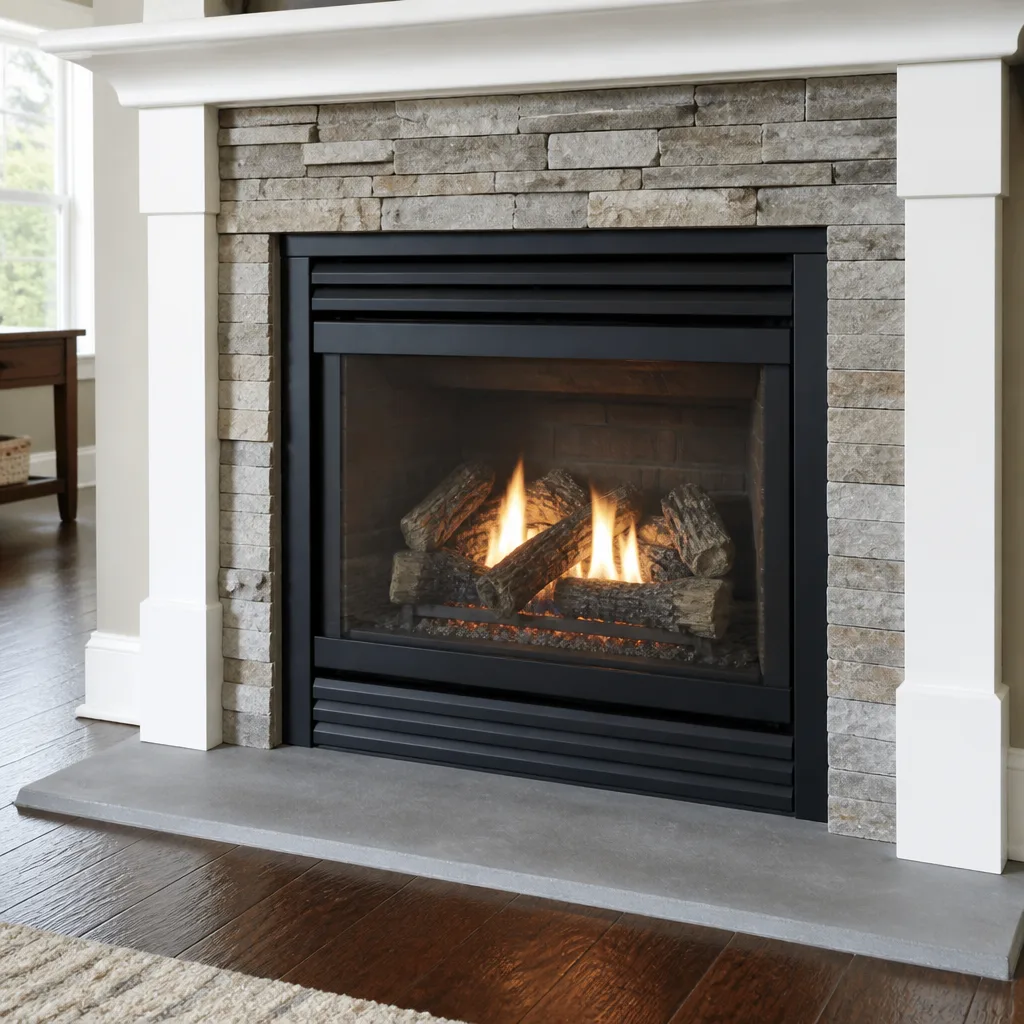 Gas fireplace service
Level 1 sweep and inspection to the NFPA 211 annual standard - flue, crown, cap, and flashing checked and photographed
Chimney sweep logs do not sweep chimneys. They loosen some creosote - which then falls where a brush and vacuum still have to collect it.
Seasonal Chimney Cleaning Care for Northeast Philadelphia: Year-Round Homeowner’s Guide
Most homeowners in Northeast Philadelphia treat the chimney like a car’s oil change: one annual appointment, usually in October, and they’re done. That’s the misconception this guide exists to fix. A chimney in this part of the city doesn’t face a single season’s wear and tear; it faces four, and each one leaves a different kind of damage behind. The wet spring, the humid summer, the hard freeze-thaw of a Philadelphia winter, and the long stretch of active burning all interact with your masonry and flue in specific ways. Skip the wrong season’s task and the next season makes it worse. What follows is a maintenance cycle built around how Northeast Philadelphia homes actually age, and what you should be doing in each window.
Styles & brands we work with
- Sweep & inspection
- Caps & crowns
- Flue relining
- Masonry repair
- Gas fireplace service
Quick Answer
Chimney care in Northeast Philadelphia is best treated as a four-season cycle rather than one annual sweep. Inspect and document the system in spring after the last fire, repair liners, crowns, and waterproofing in summer when masonry cures properly, run a full pre-season inspection with draft and carbon monoxide checks in fall, and watch for warning signs during the winter burn season. A cleaning is still the anchor, but the inspection is what catches problems before they become rebuilds. If you only schedule one visit, book it before the fall rush so the full-system check is possible.
Table of Contents
- Why Northeast Philadelphia Needs a Seasonal Cycle, Not an Annual Sweep
- Spring: The Post-Season Inspection Window
- Summer: The Repair and Waterproofing Window
- Fall: The Pre-Season Inspection Checklist
- Winter: Warning Signs During Active Burning
- How Northeast Philadelphia’s Climate Accelerates Failure
- How to Build a Year-Round Chimney Schedule
- Common Mistakes to Avoid
- When to Call a Professional
- Frequently Asked Questions
Why Northeast Philadelphia Needs a Seasonal Cycle, Not an Annual Sweep
A chimney is exposed to more than most parts of your house. It takes heat from below, moisture from above, gas from the flue, and debris from every fire you burn. Those forces don’t arrive on one schedule. Creosote accumulates during burn season. Water soaks into masonry during spring rain. Masonry that stays wet through a humid summer cracks when it freezes the following winter. Each stage sets up the next.
In Northeast Philadelphia, this cycle is compressed by the local weather pattern. We get real springs with steady rain, real summers with thick humidity, and hard winter freeze-thaw cycles that push water into every small crack the summer left behind. In milder climates, a single annual sweep can be enough. Here, the problems compound faster than that.
That’s why the sweep should never be the whole relationship. Our technicians have up to 13 years of experience and we handle the full chimney system in Northeast Philadelphia: sweeping, chimney cap & crown work, chimney repair, liner installation, rebuilds, and fireplace repair. The cycle below maps each season to the task that best protects your home at that point in the year.
Key Takeaways:
- Four seasons, four tasks. Each one protects the work done in the season before it.
- Spring is for inspection, summer is for repair, fall is for readiness, winter is for watching.
- Northeast Philadelphia’s wet spring, humid summer, and freeze-thaw winter make the cycle more important here than in milder regions.
- Scheduling early beats scheduling in the October rush.
Spring: The Post-Season Inspection Window
Spring is when you should look at the chimney while the evidence of the burn season is still fresh and the structure is still accessible. Once birds begin nesting in spring, flues and caps become occupied, and inspection work either stops or gets complicated. Get ahead of that window.
What to Inspect After the Last Burn
After your last fire of the season, the chimney still holds the residues of the winter’s burning. That’s exactly what makes spring inspection valuable. You can see the accumulation from a season of use, check the conditions that developed during the winter, and document what will need repair before the summer heat makes it harder to reach.
A spring inspection typically covers:
- Creosote volume and type in the flue, to schedule the right level of cleaning.
- Crown condition, checking for cracks that opened during the winter freeze-thaw.
- Cap and screen integrity, before nesting season closes off the flue opening.
- Flashing and mortar joints on the exterior, where water intrusion starts.
- Liner condition, including a camera look at clay tile joints and any stainless liner seams.
Because we work with the trades, we know spring is also when a swept-out chimney can be staged for summer work. That means deciding now whether the flue needs a cleaning only, a chimney sweep plus a liner assessment, or a deeper repair before warm weather sets in.
Summer: The Repair and Waterproofing Window
Summer is the best window for chimney repairs in Northeast Philadelphia, and for a simple reason: masonry cures well in warm, dry conditions. Mortar, crown coatings, and waterproof sealers need steady heat and low moisture to set correctly. Do that work in a wet spring or freezing winter and the result won’t hold. Do it in summer and it lasts.
Why Summer Is the Repair Season
Crown repair and sealing, waterproof coating, masonry pointing, and liner replacement all rely on dry conditions. The humid Philadelphia summer does slow the process compared to a dry climate, but it still gives a far better cure window than the spring rain or the winter cold. That’s why we push masonry work, crown sealing, and liner installations into this window whenever the homeowner can schedule it.
Summer is also when liner work moves fastest. In older Northeast Philadelphia homes with aging clay tile liners, we use HeatShield for liner resurfacing, a product-specific approach that restores deteriorated tile joints without tearing the chimney apart. For homes where a full liner is needed, DuraFlex flexible stainless steel liners make retrofits practical without demolition, which matters for the many pre-1960 houses in Northeast Philadelphia where the original flue has never been touched.
A Typical Summer Work Sequence
- Camera inspection of the flue to document what the spring inspection flagged.
- Liner decision: resurfacing with HeatShield or a new stainless liner, based on the flue’s condition.
- Crown and masonry repair while dry weather allows proper curing.
- Waterproof coating applied to the exterior stack to block moisture before fall.
- Cap and screen check to keep animals and debris out through fall and winter.
That’s the pattern that lets a Northeast Philadelphia homeowner start the heating season confident that the system is sound rather than hopeful.
Fall: The Pre-Season Inspection Checklist
Fall is when most homeowners in Northeast Philadelphia remember the chimney. It’s also when every sweep service in the city is busiest, which means a rushed visit is likely. If you can only book one visit a year, this is the one, but book it early.
What a Proper Pre-Season Inspection Includes
A pre-season inspection is not just a cleaning. The cleaning removes creosote and debris, which is essential, but the inspection is what determines whether the system is safe to use for the season ahead. When we perform a fall inspection in Northeast Philadelphia, it includes:
- Draft testing to confirm the chimney will pull properly under a real burn load.
- Damper function, checking it opens and closes fully and seals when closed.
- Carbon monoxide baseline reading at the appliance and flue, so any drift during the season is measurable.
- Flue camera scan to document liner condition and confirm no new cracks.
- Cap and crown condition to rule out water entry before the wet season.
That combination is what separates a full-system fall check from a sweep-only visit. The carbon monoxide baseline is the piece most homeowners don’t realize they need until they understand what it’s for.
Scheduling Before the Rush
Book the fall inspection in late summer if you can. When you schedule in August, your technician has time for the full-system check. When you schedule in October with everyone else, the visit turns into a sprint. We serve Northeast Philadelphia with Chimney Sweep Northeast Philadelphia through that earlier window, and the difference in what gets caught is real.
Winter: Warning Signs During Active Burning
Winter is when the chimney works hardest. That’s also when small problems become urgent. You don’t need to inspect your chimney yourself during the season, but you should know what signals a call is warranted before the next fire.
Signs That Warrant a Call
- Smoke rolling into the room during a burn, rather than drafting up the flue.
- A sudden change in draft or sound from the chimney that wasn’t there in the fall.
- A carbon monoxide alarm activating anywhere in the house, which should be treated as urgent.
- Visible soot or black staining around the fireplace surround or on the wall above it.
- Crumbling pieces inside the firebox or falling onto the hearth.
- The smell of smoke in the house even when there’s no fire burning.
Any of these should prompt you to stop burning and arrange an inspection. Fire and carbon monoxide risk are not abstract with a compromised chimney. The point is not to alarm you, but to be clear: these signs are the body telling you something is wrong. Better to check than to hope.
Why Winter Has the Least Slack
You can put off a spring inspection for a few weeks. You can’t put off a warning sign that appears during the burn season. Northeast Philadelphia’s cold winters mean the fireplace and heating appliance run for months at a time, so a slow-developing problem has weeks to do damage. That’s why getting a fall baseline matters so much: without it, every winter signal is harder to interpret.
How Northeast Philadelphia’s Climate Accelerates Failure
The Northeast Philadelphia weather pattern does more damage to chimneys per year than the climate its masonry was designed for. It’s worth understanding the mechanism, because it explains why a seasonal cycle matters more here than in many other regions.
Wet Springs
Spring rain soaks into masonry and mortar joints. Older chimneys in Northeast Philadelphia homes often have porous brick and soft mortar, both of which take on water easily. If the crown isn’t sealed and the stack isn’t waterproofed, spring is the season the chimney absorbs the moisture that will cause problems later.
Humid Summers
Summer humidity slows the drying that spring rain started. Masonry that stays damp into the summer can develop efflorescence (the white powdery bloom on brick), and the chloride and sulfate salts it carries weaken mortar from the inside. Summer is also the season when masonry repair should be done and waterproofing applied, because that’s when the material can cure.
Freeze-Thaw Winters
This is the most consequential season for Northeast Philadelphia chimneys. Water that got into masonry during spring and didn’t dry out during summer freezes, expands, and forces tiles and mortar apart. When it thaws, the crack is still there, and now the next rain has an open door. Repeat this cycle a dozen times in a winter, and small cracks in the crown become structural problems.
Active Burning Season
Through the winter, the fireplace and flue run hot, then cool, then hot again. Thermal expansion and contraction on top of the freeze-thaw work is what wears down flue joints and liner seams. The creosote that accumulates during this period sets the stage for the spring cleaning that should follow.
Our technicians have up to 13 years of experience with exactly this pattern of failure in Northeast Philadelphia, and our product knowledge reflects it. We use DuraFlex liners and Olympia Chimney components when a system needs a durable, climate-appropriate fix. Because we’ve watched what this climate does to masonry, we build the seasonal cycle around it.
How to Build a Year-Round Chimney Schedule
Here’s the schedule we recommend for Northeast Philadelphia homeowners who want to protect their system instead of reacting to failures. It’s simple to hold to once it’s set.
A Recommended Annual Calendar
- Late winter / early spring: Book the post-season inspection as your last fire is burning down for the year.
- Spring: Complete the inspection and the cleaning. Document the flue with camera evidence. Note any repairs needed.
- Early summer: Complete repairs while curing conditions are good: crown sealing, waterproofing, liner work.
- Late summer: Book the pre-season inspection to avoid the fall rush.
- Fall: Run the pre-season check: draft test, damper, carbon monoxide baseline, flue scan, cap and crown.
- Winter: Burn actively and watch for warning signs. Call immediately if any appear.
Two appointments, not one, is the honest recommendation. That’s rare in this trade, because a sweep-only service can’t do the summer repair work. A full-system specialist can, and that’s where you get the compounding benefit: the summer repair protects against the next winter, the fall baseline makes winter signals readable, and the spring inspection catches everything the winter left behind.
What to Have Ready at Each Appointment
- The previous inspection report or camera record, if you have one.
- Any notes about smells, smoke, or sounds you noticed during the season.
- Questions about the damper, the cap, and the liner specifically.
- Your appliance model and fuel type (wood or gas).
Common Mistakes to Avoid
- Skipping the summer repair window. Doing masonry work in the fall or spring leaves it curing in the wrong conditions, and Northeast Philadelphia’s damp seasons are the worst time for it.
- Treating the sweep as the whole appointment. A cleaning without an inspection leaves the crown, cap, and liner undiagnosed until something fails.
- Scheduling only in October. When every homeowner books at the same moment, the visit compresses and the full-system check becomes a quick pass.
- Ignoring a winter carbon monoxide baseline. Without a fall reading, you have nothing to compare against when a winter signal shows up.
- Assuming a yearly sweep is enough after a frozen winter. Freeze-thaw damage may not show up as visible cracks until the spring inspection looks at the crown closely.
- Patching cracks in the crown yourself with general-purpose sealant. Chimney crown coating is a specific material that needs proper application; a hardware-store patch fails within a season in this climate.
- Letting a spring nesting season close the flue. By the time birds are settled, the inspection window is harder to reach. Book spring work before that happens.
When to Call a Professional
Call a professional when you notice any winter warning sign, when it’s time for the post-season or pre-season inspection, or when repair work is on the list for summer. Call immediately if a carbon monoxide alarm activates, if smoke enters the room during a burn, or if the crown or masonry looks newly damaged. Those signals are not things to defer.
You also want a specialist, not a generalist, for anything beyond the routine sweep. Full-system chimney work covers the firebox to the crown, and it needs trade-level product knowledge rather than a general handyman’s tools. Chimney Sweep Northeast Philadelphia offers free estimates in Northeast Philadelphia. Call (855) 658-4023. We answer 24/7. Fast dispatch from 7am to 7pm, Sunday through Friday.
Frequently Asked Questions
Spring, right after the last fire of the season, is the best single window, because the burn season’s evidence is still visible and the structure is accessible before nesting season. Summer is when repair work is done, so booking both a spring inspection and a summer repair visit is the cycle that protects most Northeast Philadelphia homes. The fall pre-season inspection is the second essential appointment.
Two is the honest recommendation in a four-season climate, because one appointment cannot cover both inspection and repair work in the right conditions. If you only book one, book the fall pre-season inspection, because the draft test and carbon monoxide baseline matter most before you start burning. Call (855) 658-4023 for a free estimate. We answer 24/7. Fast dispatch from 7am to 7pm, Sunday through Friday.
Wet springs, humid summers, and hard freeze-thaw winters combine to push water into masonry and then crack it when the water freezes. Milder climates don’t have that sequence as strongly. In practice, the freeze-thaw cycle in Northeast Philadelphia turns small spring cracks into structural problems faster than most homeowners expect.
Smoke rolling into the room, a carbon monoxide alarm activating, a sudden draft change, or visible soot staining around the fireplace are all immediate-call signals. Stop burning and arrange an inspection. Call (855) 658-4023 for a free estimate. We answer 24/7. Fast dispatch from 7am to 7pm, Sunday through Friday.
Yes, and that’s why the seasonal cycle works. Winter warning signs show what’s failing, and summer is when the actual repair happens with proper curing conditions. Crown sealing, waterproofing, and liner work done in warm dry weather last; the same work done in a wet spring or a freezing winter often doesn’t.
We use DuraFlex stainless liners for full replacement and HeatShield for liner resurfacing, along with Olympia Chimney components where the system calls for them. The product choice depends on the flue’s condition and the home’s age. Most Northeast Philadelphia homes built before 1960 have original clay tile that benefits from one or the other, and the camera inspection tells us which.
The Bottom Line
A chimney in Northeast Philadelphia isn’t one annual appointment; it’s a four-season cycle, and each season’s task protects the next. Spring inspection catches what winter left behind, summer repairs and waterproofing cure in the right conditions, fall readiness gives you the baseline to read any winter signal, and winter use tells you whether it’s all working. The homeowners who get the most out of their system aren’t the ones who find the cheapest sweep. They’re the ones who schedule early, take the inspection seriously, and treat repair as a summer job rather than a fall emergency. If it’s been more than a season since your last inspection, start at the top of the cycle now.
Written by the team at Chimney Sweep Northeast Philadelphia.
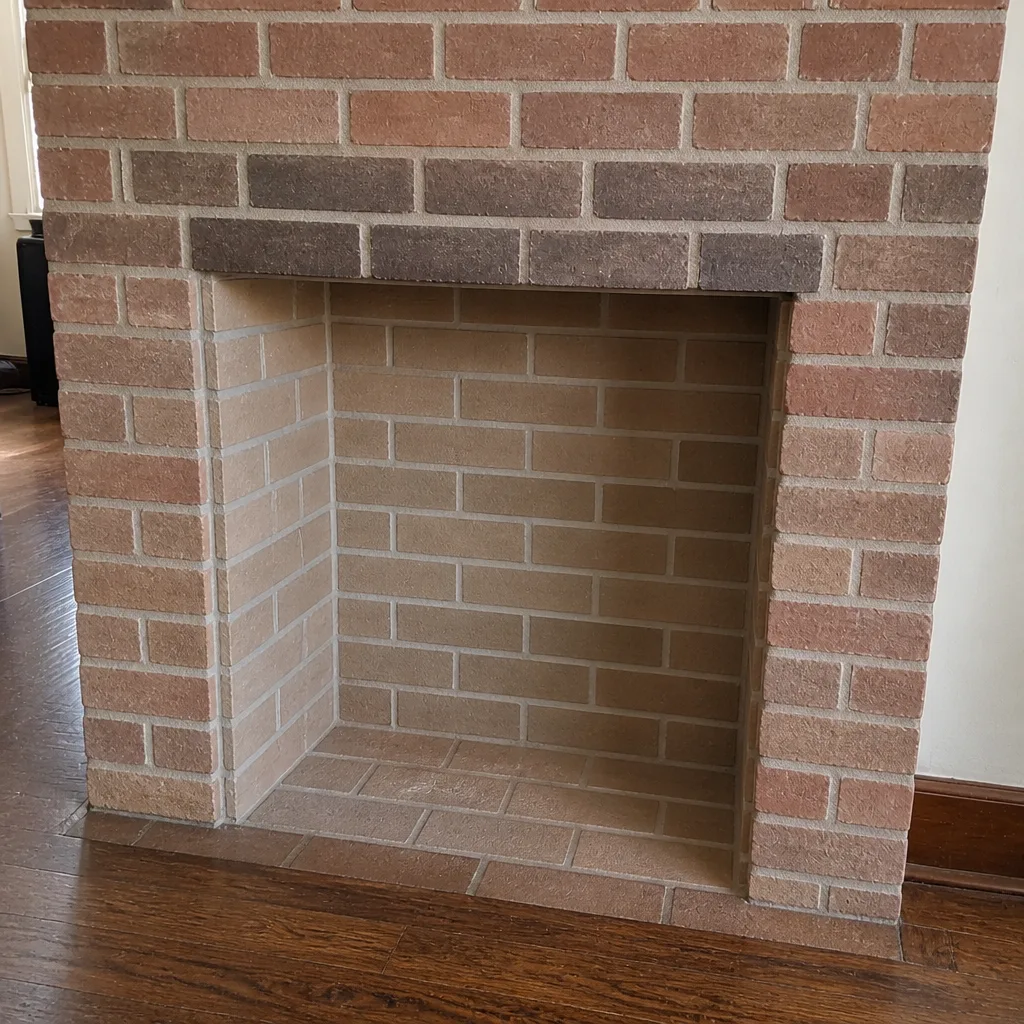
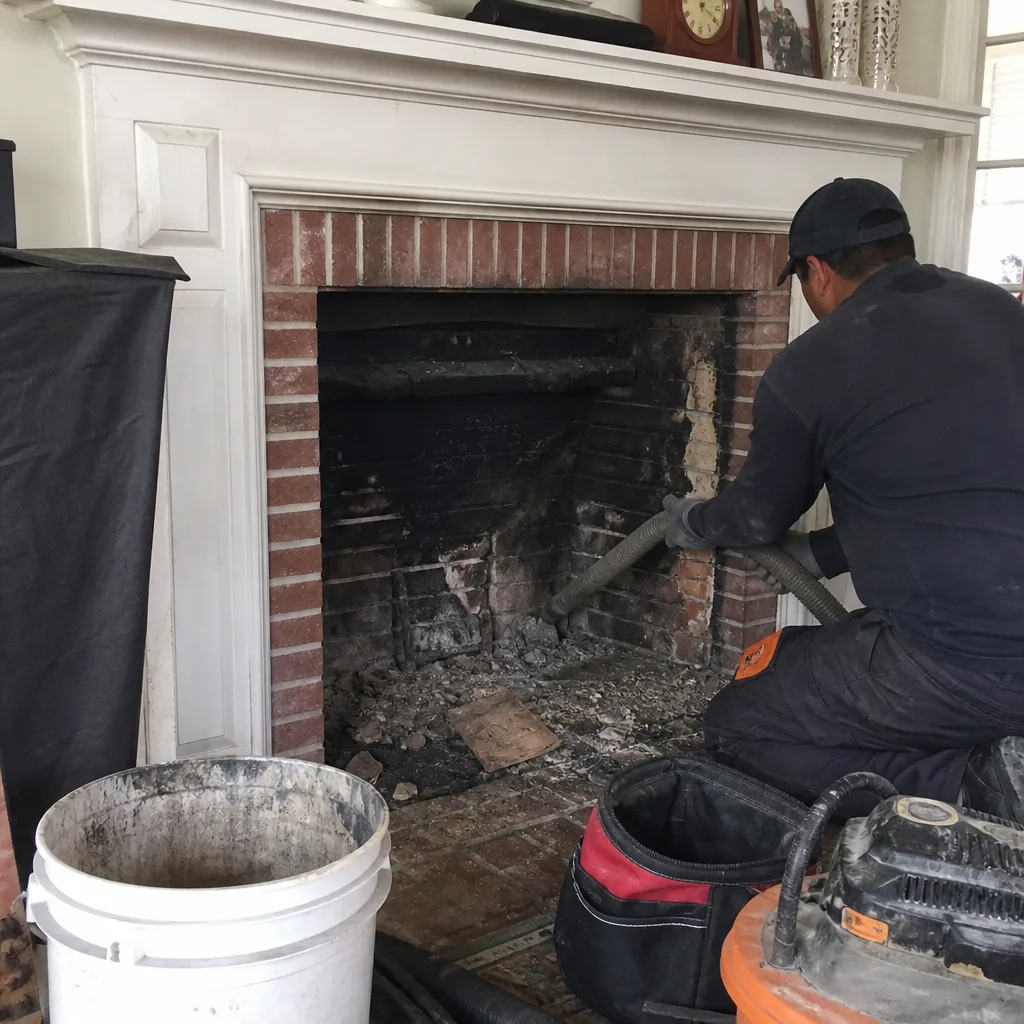
See the difference
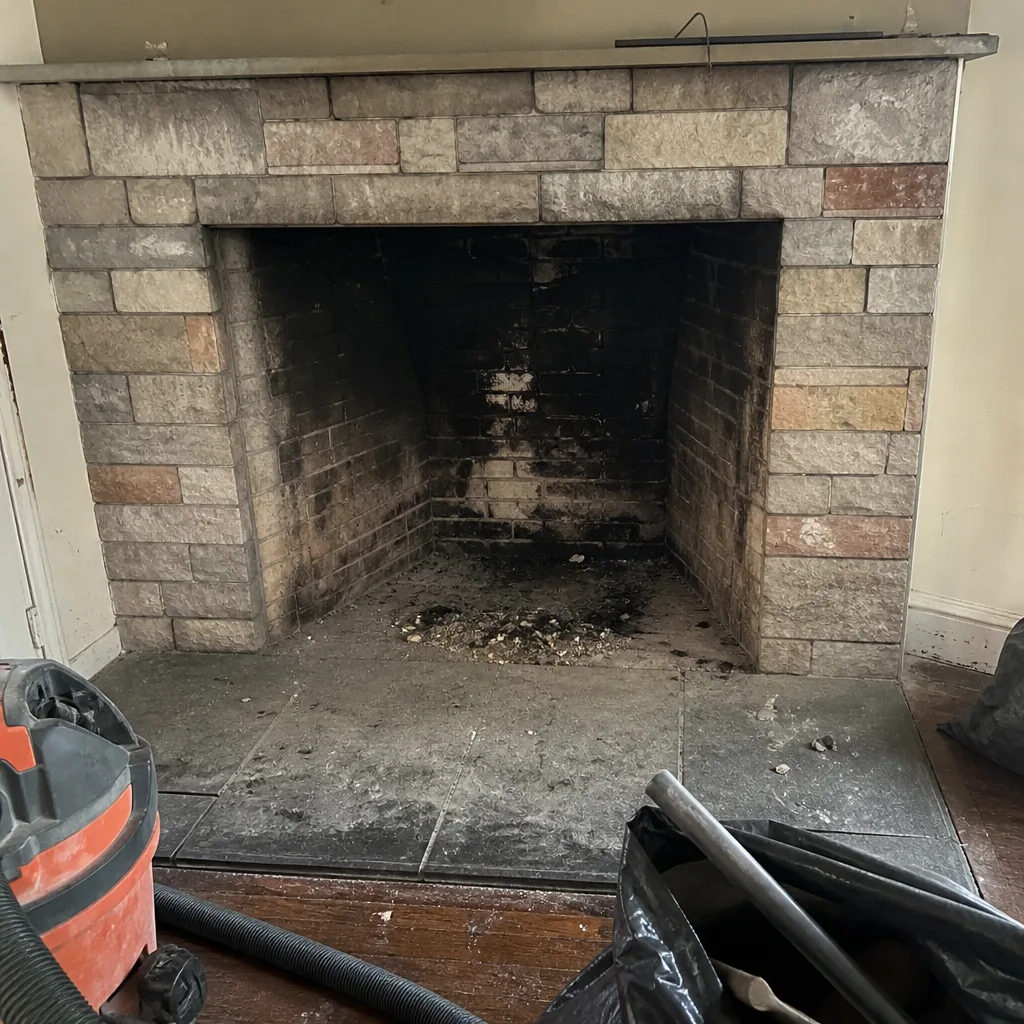 Before
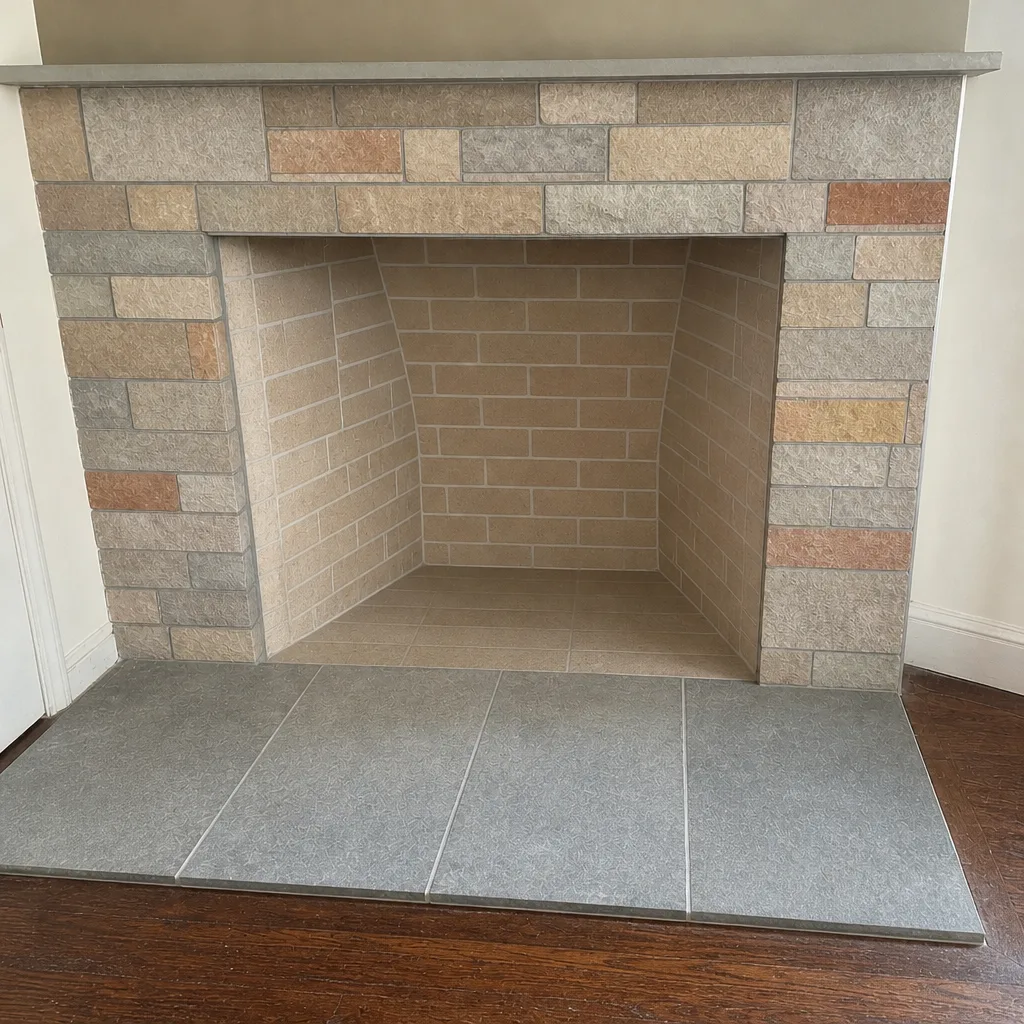 After
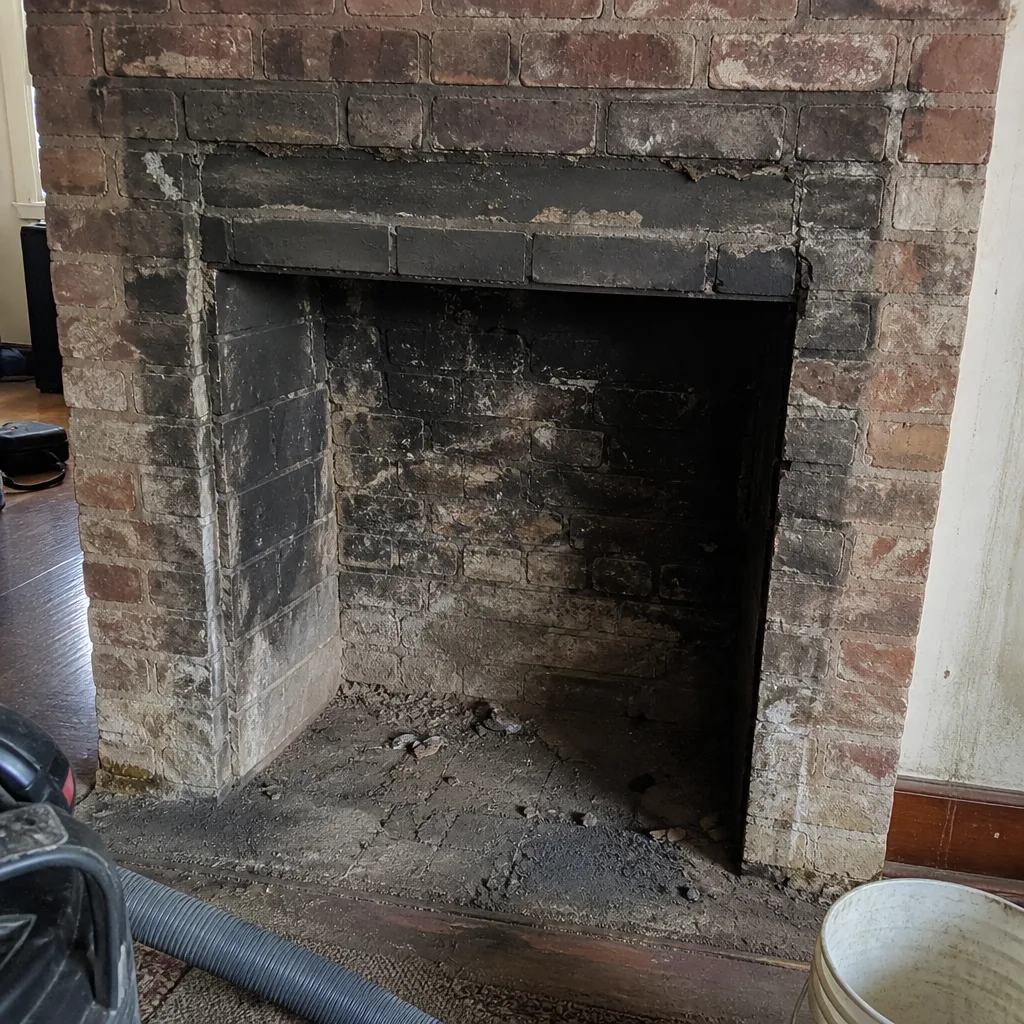 Before
 After
 Before
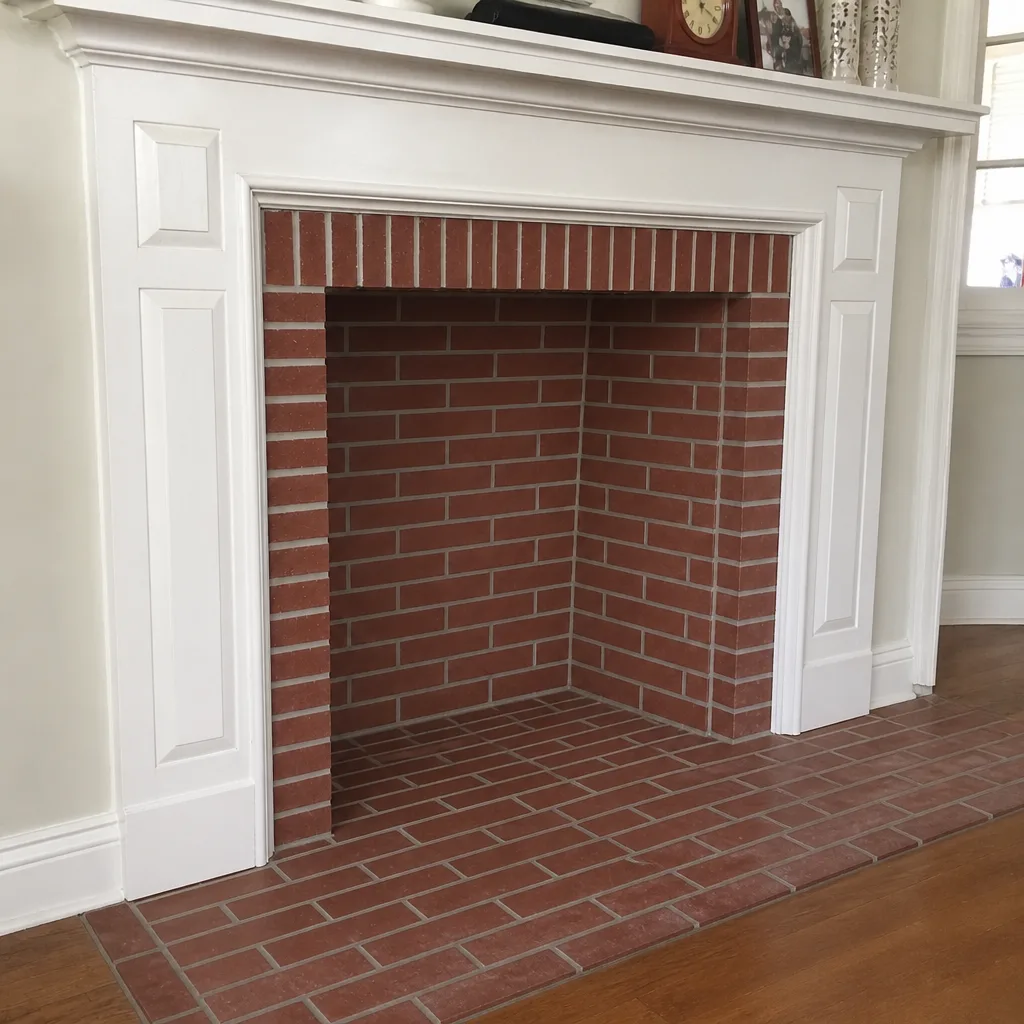 After