
Last updated November 22, 2026
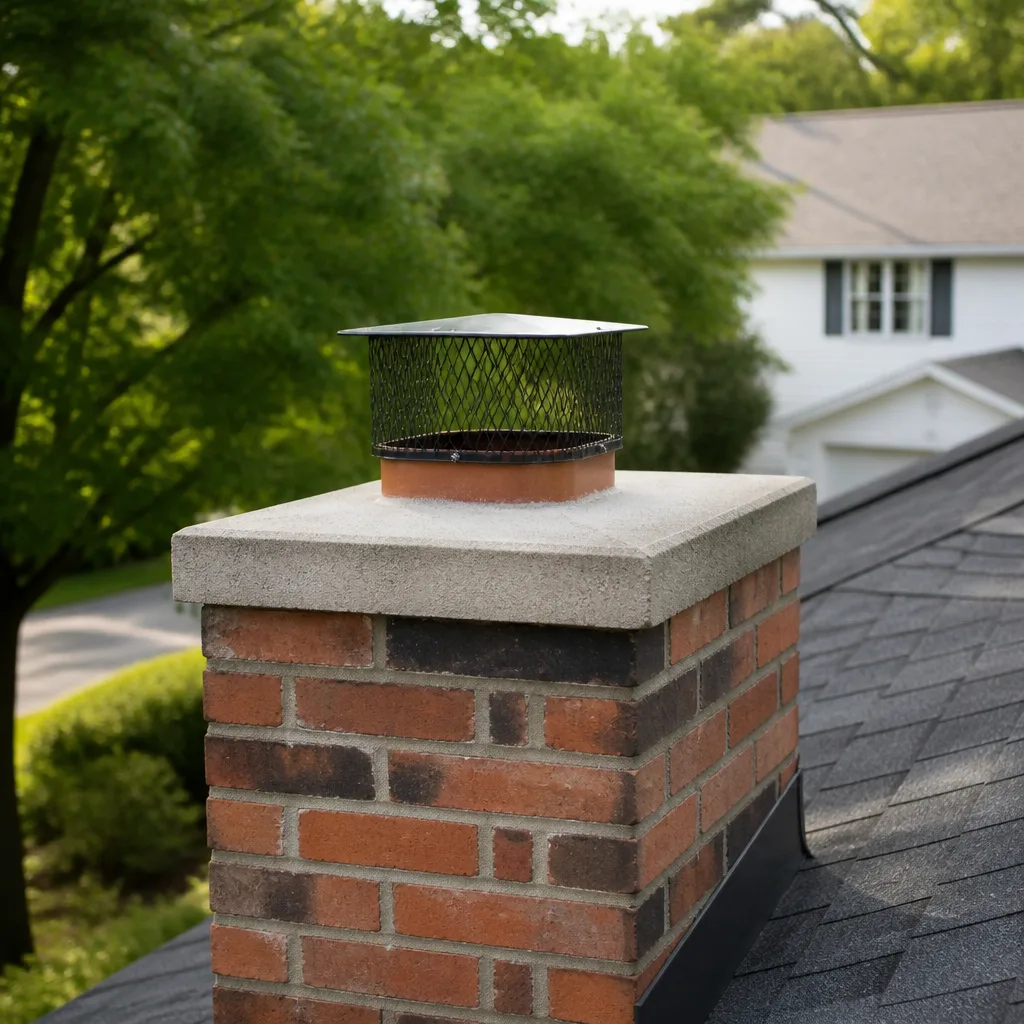 Sweep & inspection
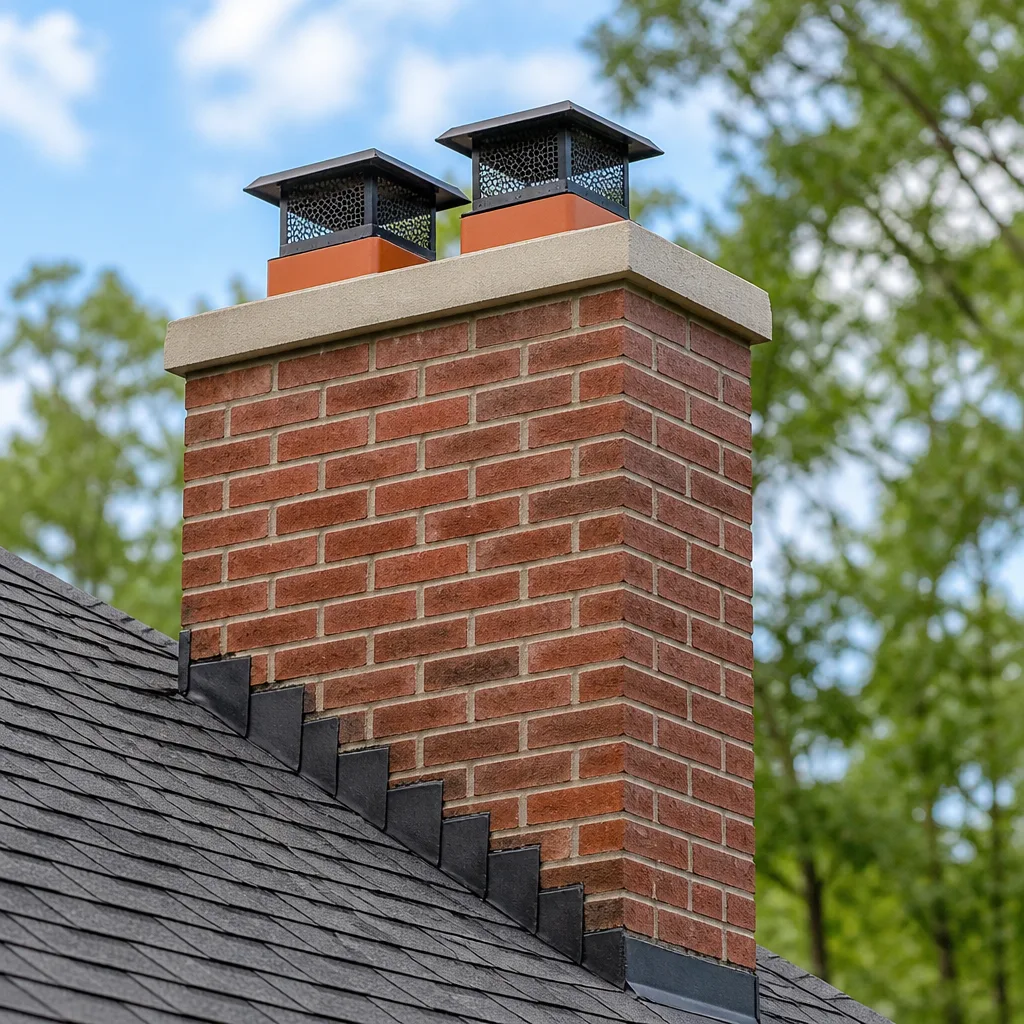 Caps & crowns
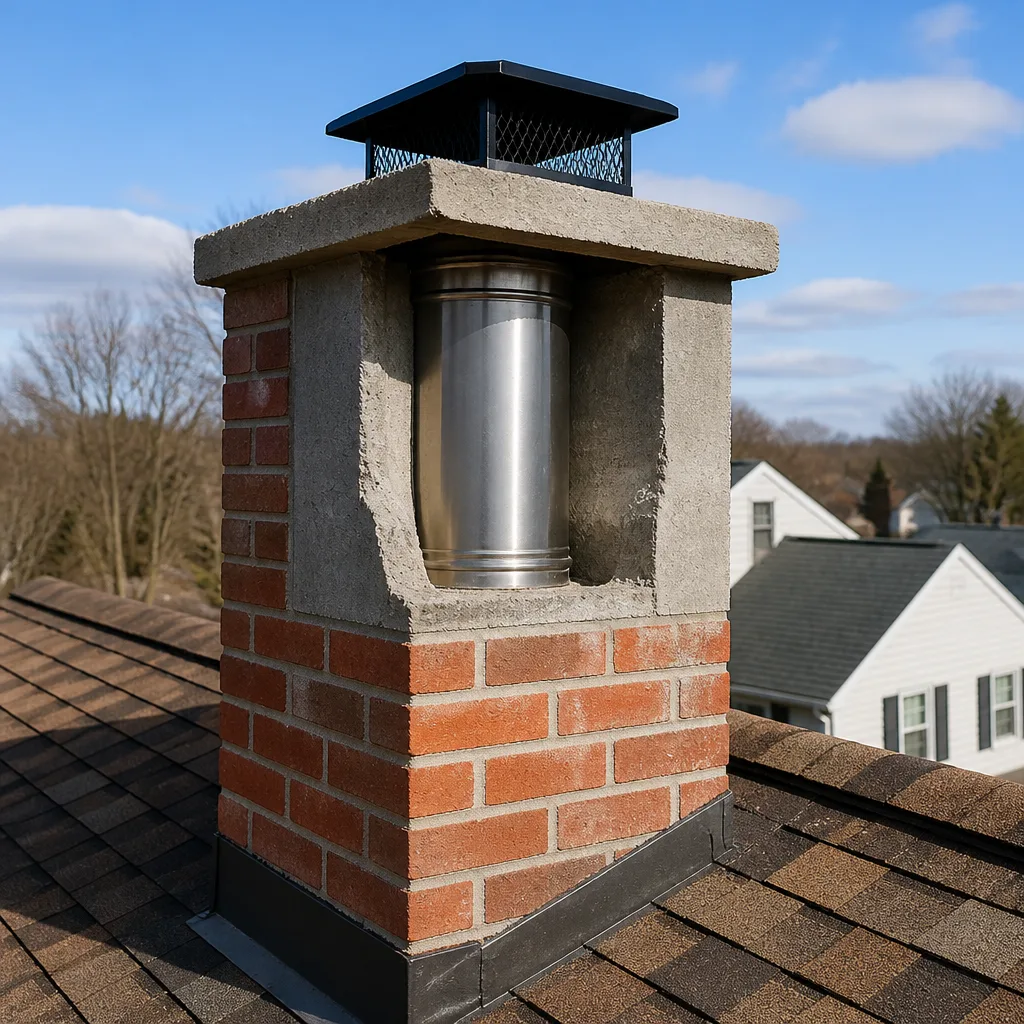 Flue relining
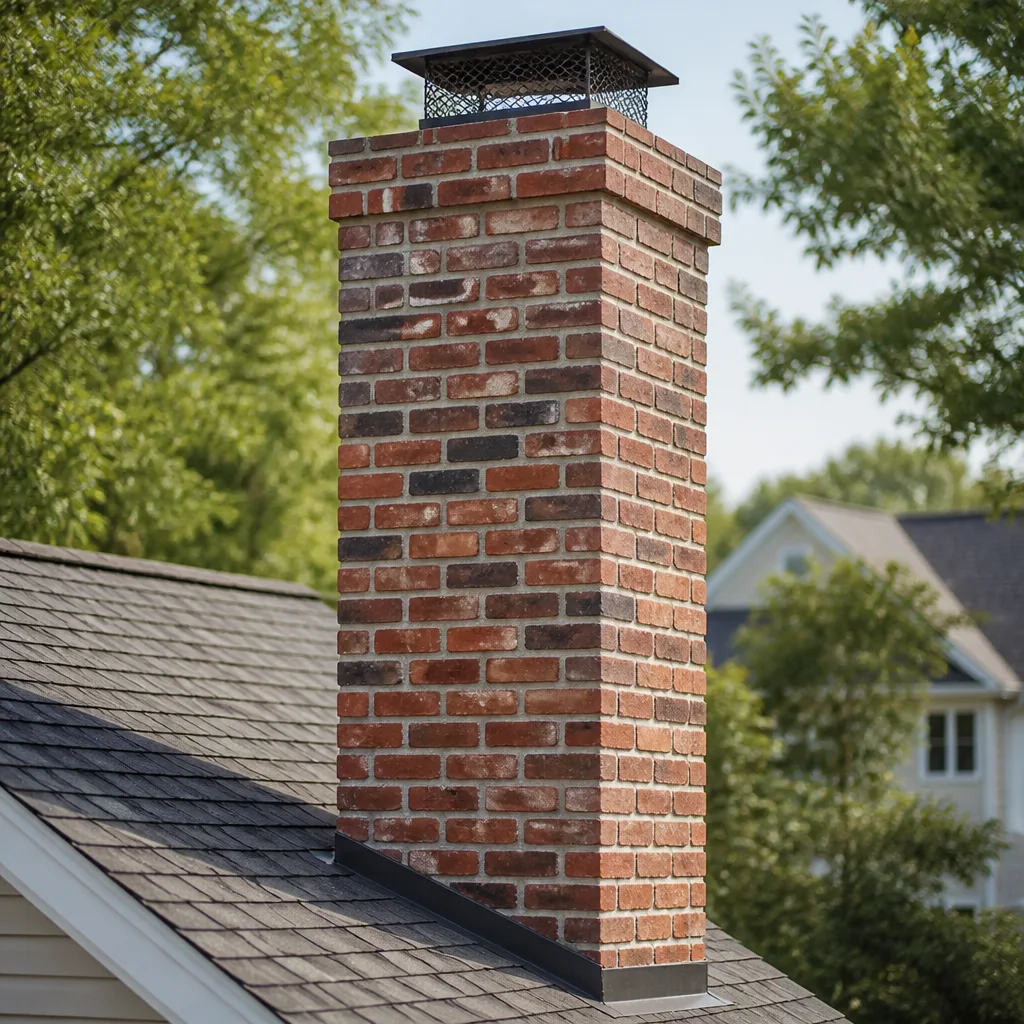 Masonry repair
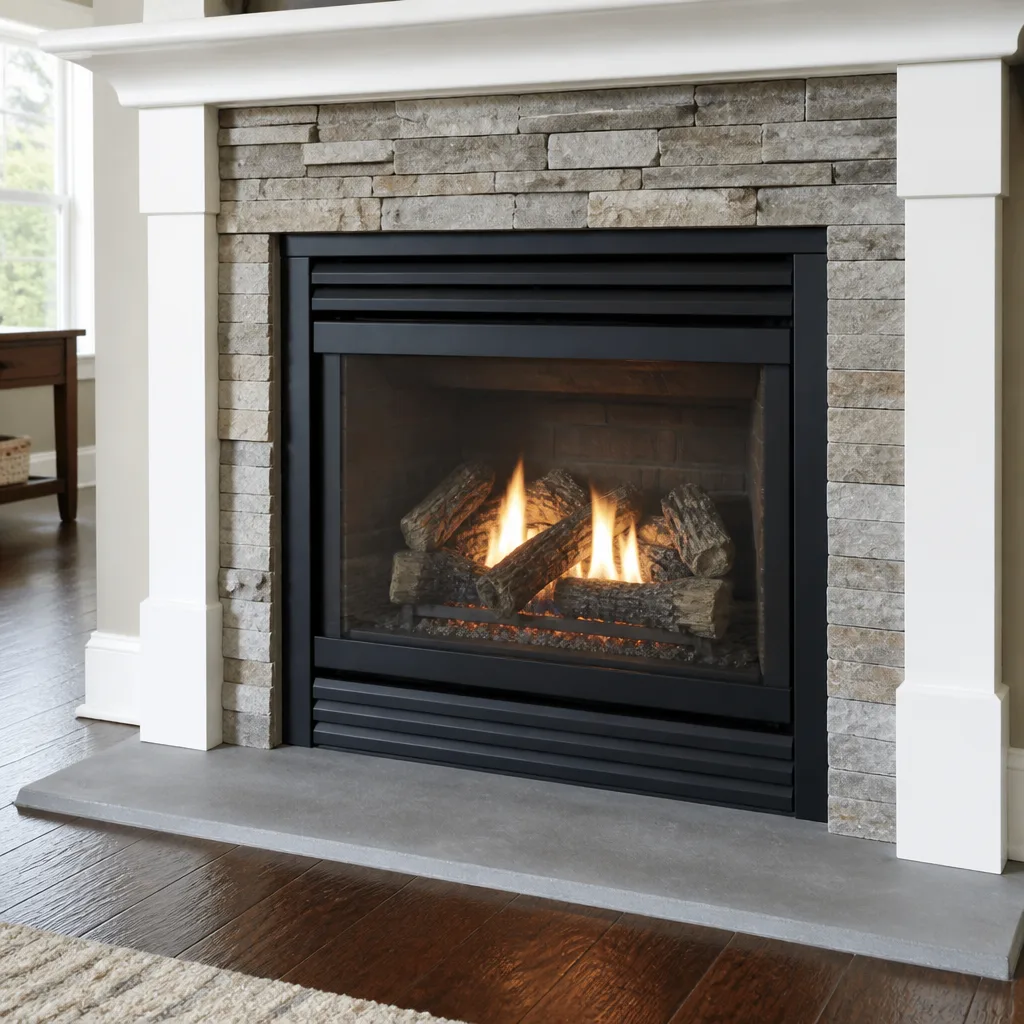 Gas fireplace service
Level 1 sweep and inspection to the NFPA 211 annual standard - flue, crown, cap, and flashing checked and photographed
Chimney sweep logs do not sweep chimneys. They loosen some creosote - which then falls where a brush and vacuum still have to collect it.
The Complete Guide to Chimney Cleaning in Northeast Philadelphia
Most Northeast Philadelphia homes were built with the same 8×8 terra cotta tile liner design, and that specific geometry creates a creosote staging zone behind the smoke shelf that a standard brush pass misses entirely. That’s not a marketing line, it’s a structural fact about the rowhouses and twins that make up so much of this part of the city. A chimney can look clean from the firebox and still be holding a season’s worth of flammable deposit in a chamber the brush never touched. This guide maps the full system from the firebox to the crown: how Northeast Philadelphia’s housing stock builds creosote differently, what the three stages of creosote actually require, when a clay liner needs resurfacing versus replacement, and what separates a real full-system sweep from someone who runs a brush up the flue and leaves.
Quick Answer
Chimney cleaning in Northeast Philadelphia means removing creosote, soot, and debris from the entire flue system, not just the firebox, and it’s typically needed once a year for wood-burning fireplaces or whenever creosote reaches about 1/8 inch on the flue walls. In the rowhouses and twins common across Northeast Philadelphia, an 8×8 clay tile flue with a smoke shelf can hide glazed creosote a standard brush leaves behind, so a proper sweep includes a video scan and a three-stage assessment. We answer 24/7 and offer free estimates.
Styles & brands we work with
- Sweep & inspection
- Caps & crowns
- Flue relining
- Masonry repair
- Gas fireplace service
Table of Contents
- Why Northeast Philadelphia’s Rowhouses Build Creosote Differently
- The Three Stages of Creosote and What Each One Requires
- Clay Tile Liners and Thermal Cracking in Older Northeast Philadelphia Homes
- Level 1, Level 2, and Level 3 Inspections: When Each One Is Needed
- The Tools That Separate a Full-System Sweep From a Brush-and-Go Visit
- What a Real Chimney Sweep Includes
- Caps, Crowns, and Water: The Parts Most Sweeps Ignore
- Fireplace and Firebox Repair: Where the System Meets the Room
- Common Mistakes to Avoid
- When to Call a Professional
- Frequently Asked Questions
- The Bottom Line
Why Northeast Philadelphia’s Rowhouses Build Creosote Differently
Detached suburban homes and the rowhouses and twins that dominate Northeast Philadelphia don’t run their chimneys the same way, and the difference matters for how creosote forms. In a rowhouse, the chimney is often an interior or shared-wall structure, shielded from wind on two or three sides. That changes the draft profile. An interior chimney stays warmer, which can help draft, but a chimney sharing a party wall with a neighbor can also pull cooler, denser air up a flue that never quite reaches the temperature that burns creosote clean.
Rooflines across neighborhoods like Mayfair, Holmesburg, and Rhawnhurst are tight, with little horizontal clearance between chimneys. Wind that would normally sweep a detached chimney clean instead eddies around a cluster of stacks at similar heights, creating downdraft conditions on certain days. When a flue runs cool and drafts unevenly, smoke lingers longer, deposits more, and the creosote that forms is more likely to be dense rather than powdery.
What this means in practice:
- Interior and shared-wall flues often hold tighter creosote than an exposed exterior flue on a detached home.
- Clustered rooflines create turbulence that can push smoke back down under certain wind conditions, adding deposit near the smoke chamber.
- Twin construction with two flues in one masonry mass means heat transfer between flues, so one fire can warm the neighbor’s flue and change how each one drafts.
- Older fireboxes built for wood produce more creosote per cord than modern high-efficiency inserts, so the cadence of cleaning needs to reflect what’s actually burned.
We use a video scan specifically because the creosote patterns in these homes aren’t visible from the firebox. If you want the short version on scheduling a visit, our Chimney Sweep Northeast Philadelphia page covers the booking side.
The Three Stages of Creosote and What Each One Requires
Creosote is classified in three stages, and each stage needs a different level of response. Stage 1 is flaky, sooty, and comes off with a standard brush. Stage 2 is denser and tarry, and often needs rotary tooling to remove. Stage 3 is glazed, hardened, and bonded to the flue wall, and a brush alone can’t touch it – it typically requires chemical treatment or, in the worst cases, liner replacement.
Here’s what each stage actually means for a Northeast Philadelphia home:
- Stage 1 (soot and flaky deposit). This is what a routine annual sweep handles. A brush loosens it and the vacuum pulls it out. If the firewood has been properly seasoned and draft is decent, most of what accumulates is Stage 1.
- Stage 2 (tarry, bubbly creosote). This happens when smoke condenses on a cooler flue wall before it exits. It’s thick, sticky, and often found in the smoke chamber and on the damper frame in older rowhouse chimneys. It needs rotary tooling – a spinning whip or chain – to loosen before sweeping. A brush pass skips right over it.
- Stage 3 (glazed creosote). This is the dangerous one. It’s hard, shiny, and bonded tightly enough that brushing doesn’t remove it. Glazed creosote can fuel a chimney fire. At Stage 3, the options are chemical creosote conversion treatment to break it down, or, if the flue wall was already compromised, resurfacing with HeatShield or a full reline with DuraFlex.
A sweep-only visit often stops at Stage 1. That’s a big part of why we work the full system – the deposit that matters is often the one a brush can’t reach.
Clay Tile Liners and Thermal Cracking in Older Northeast Philadelphia Homes
Pre-1970 construction in Northeast Philadelphia overwhelmingly used terra cotta tile liners, and that liner material has a predictable failure mode: thermal cycling. Each heat-up and cool-down cycle expands and contracts the tile. Over years of that, fine cracks develop, usually at the mortar joints between tiles. It’s not a flaw in the tile – it’s how the material ages under repeated fire.
The 8×8 tile geometry common here means the flue opening is relatively narrow, and joints between tiles are the weak point. Cracks at the joints let creosote and moisture into the space behind the liner, where they’re invisible from the firebox and slow to be noticed until a video scan shows them.
What to look for before the next burn season:
- Crumbling mortar at the flue joints visible on a video scan, not just at the firebox throat.
- White staining or efflorescence on the exterior chimney masonry, which can indicate moisture moving through cracks.
- Flaking tile faces at the top of the flue, seen from the roof, especially on northeast-facing stacks that get less sun.
- Downdraft or smoke spillage into the room, which can indicate an embrittled or misaligned liner.
- Post-chimney-fire evidence, which almost always means a Level 2 inspection and often a liner repair.
When the clay liner is deteriorated but structurally intact, HeatShield can resurface the interior and restore a smooth, sealed flue without demolition. When the liner is cracked through or separated at joints, a DuraFlex flexible stainless steel liner is often the right call because it can be retrofitted through the existing flue without tearing out the masonry. That’s a meaningful difference in older Philadelphia housing stock, where a full rebuild is a much larger job than a liner retrofit.
If the liner issue is part of a larger structural problem, our chimney repair work covers the masonry side as well.
Level 1, Level 2, and Level 3 Inspections: When Each One Is Needed
A chimney inspection is not the same as a chimney sweep, and the three inspection levels answer different questions. A Level 1 is the visual check that accompanies a routine sweep. A Level 2 adds video scanning of the flue interior and inspection of accessible parts of the system, and it’s the level you need when something has changed. A Level 3 is invasive – it involves opening walls or removing parts of the chimney to reach an inaccessible area.
Here’s the practical breakdown:
- Level 1 inspection. Done during a routine annual sweep on a chimney with no known problems. Readily accessible portions are checked, no tools are used to open anything.
- Level 2 inspection. Required when the home has changed hands, when a new appliance or fuel type has been added, after a chimney fire or other event, and when a problem has been identified that a Level 1 couldn’t fully evaluate. Video scanning is standard at this level.
- Level 3 inspection. Needed only when a Level 2 has identified a problem that requires access to an area that can’t otherwise be reached. This is where masonry may need to be opened. It’s reserved for specific diagnosed problems, not routine work.
The legal trigger most homeowners in Northeast Philadelphia ask about is the Level 2 requirement after a home sale. That’s a practical reality in this part of the city, where homes turnover regularly and a buyer wants documented evidence of the flue’s condition. If you’ve just bought a rowhouse or twin in the area, a Level 2 inspection before your first burn season is the right starting point.
Our technicians have up to 13 years of experience reading these inspection reports, and the point of the scan isn’t to sell you work – it’s to show you the actual condition of the flue so you can decide. If the chimney’s fine, we’ll tell you it’s fine.
The Tools That Separate a Full-System Sweep From a Brush-and-Go Visit
Two visits can look the same from the driveway and be entirely different in the flue. The tool set tells you which one you’re getting. A brush-and-go sweep brings a hand brush, a vacuum, and a flashlight. A full-system sweep brings rotary equipment, a video inspection camera, and the tooling to handle Stage 2 and Stage 3 creosote.
What we use on a typical Northeast Philadelphia rowhouse or twin:
- Rotary tooling (whip or chain) to loosen tarry Stage 2 creosote that a brush skips over.
- Video inspection camera to map the flue from firebox to crown and document the condition of every tile joint.
- HEPA-grade vacuum connected at the firebox so soot doesn’t migrate into the room.
- Hand brushes and drop cloths for the smoke chamber, damper frame, and firebox surfaces.
- Resurfacing and liner systems from professional brands (Famco for masonry repair product needs, Copperfield for flue components) when the scan shows the flue needs more than cleaning.
The difference shows up most in the smoke chamber and the smoke shelf – the transition between the firebox and the first flue tile. That area is where deposits concentrate, where a standard brush can’t reach, and where the video scan reveals what’s actually accumulated. We’re not a sweep-and-leave operation for exactly this reason.
What a Real Chimney Sweep Includes
A real chimney sweep includes more than running a brush up the flue. It should involve a documented look at the full system from the firebox to the crown, and a conversation about what the scan shows. If a sweep visit doesn’t include a video scan, that’s the first thing to ask about.
The visit usually goes in this order:
- Protect the room. Drop cloths and a HEPA vacuum connected at the firebox before anything gets loosened.
- Sweep the firebox and smoke chamber. The brush handles the firebox surfaces and the smoke chamber above the damper.
- Run the flue brush and rotary tools. Standard brush for Stage 1 deposit; rotary tooling where the flue shows tarry or glazed creosote.
- Video-scan the full flue. Firebox to crown, looking at every tile joint and the cap and crown condition above.
- Document findings. What’s Stage 1, what’s Stage 2 or 3, whether the liner is intact, whether the cap and crown are doing their job.
- Talk through options. Cleaning is the minimum. Everything else is a decision for you, based on what the scan shows.
A sweep without the scan is a sweep you can’t verify. That’s why our chimney sweep visits always include the video documentation – you should be able to see what we see, not take our word for it.
Caps, Crowns, and Water: The Parts Most Sweeps Ignore
The chimney cap and the crown are the two parts most likely to fail before the flue does, and they’re the two parts a sweep-only service typically skips. The cap is the metal or masonry cover over the flue opening at the top; the crown is the concrete or mortar wash at the top of the chimney that sheds water away from the masonry. Both are the chimney’s first line of defense, and both are exposed to every freeze-thaw cycle Northeast Philadelphia gets each winter.
When the crown cracks, water gets into the masonry and, over time, into the flue system. Freeze-thaw then widens the crack. When the cap is missing or rusted through, rain, snow, birds, and wind-driven debris enter the flue directly. Neither failure is dramatic at first – that’s the problem. The visible sign is usually water staining on the chimney’s exterior or at the firebox, not a dramatic event.
Cap and crown work pairs naturally with a sweep: the same visit that cleans the flue should include a look at the top of the stack. If the cap is failing or the crown is cracked, that’s usually a same-visit repair, not a separate appointment. Our chimney cap & crown work covers both. Skip it, and the flue you just cleaned starts accumulating water damage before the next burn season.
Fireplace and Firebox Repair: Where the System Meets the Room
A chimney is more than a flue, and the firebox and fireplace assembly are where most single-trade operators leave a gap. The firebox brick handles direct flame; the damper controls the draft; the fireplace face and surround bridge into the room. When one of those repairs needs doing, a sweep-only service refers it out, and a general mason may not understand how the firebox repair affects the flue’s draft and deposit patterns.
Common firebox repairs we handle include:
- Cracked or spalling firebox brick, where the heat-facing brick has failed from repeated thermal cycling.
- Damper frame and damper door repair, when the damper no longer seats or moves freely.
- Fireplace face masonry repair, where the surround has loosened or the mortar joints have failed.
- Refractory panel repair on prefab fireboxes, where the factory panels have cracked.
Doing this alongside the sweep and the flue work means one contractor, one accountability chain, and no finger-pointing between trades if something doesn’t line up. From the firebox to the crown, the work is ours.
Common Mistakes to Avoid
- Skipping the video scan. A brush pass without scanning the flue is a guess, not an assessment. In a Northeast Philadelphia rowhouse with an 8×8 clay flue, the deposit that matters is usually behind the smoke shelf, invisible from the firebox.
- Assuming a clean-looking firebox means a clean flue. The firebox is the one part of the system you can see. The flue above the damper is where the fire risk concentrates, and it can look fine at the bottom while holding Stage 2 or Stage 3 creosote above.
- Burning unseasoned wood to save a few dollars. Wet wood produces more creosote per cord and pushes a flue into Stage 2 faster. Seasoned hardwood costs more per cord and produces less deposit, and the math nets out over a season.
- Putting off a Level 2 inspection after a home purchase. In a city with this much rowhouse turnover, the pre-move-in condition of the flue is often unknown. A Level 2 with video scanning is the only way to know what you actually bought.
- Calling a sweep who doesn’t handle the rest of the system. If the scan shows a cracked clay liner, a failing crown, or a firebox that needs repair, you want one call, not two – and one contractor accountable for the whole result.
- Waiting until the first cold night to book. Fall is when the schedule fills. Getting the sweep and any repairs done before the first burn of the season means you’re burning in a system that’s actually ready.
- Hiring on price alone. A quote that’s meaningfully below the local range usually reflects a brush-only visit without the scan. You’re not comparing the same service.
When to Call a Professional
Call a professional if any of these fit your situation: you haven’t had the flue swept in the past year or longer; you’ve had a chimney fire, even a small one; you’ve just bought a home in Northeast Philadelphia and don’t know the flue’s history; you’ve noticed smoke rolling back into the room, a smell of creosote in warm weather, water staining on the chimney’s exterior, or loose masonry at the top of the stack; or you’re switching fuels, adding an insert, or changing how the fireplace is used. A professional visit should include a video scan and a written summary of what it shows. Chimney Sweep Northeast Philadelphia offers free estimates in Northeast Philadelphia – call (855) 658-4023 to schedule. We answer 24/7, and fast dispatch runs from 7am to 7pm, Sunday through Friday.
Frequently Asked Questions
Most chimney sweeps in Northeast Philadelphia land in a typical range of a few hundred dollars, with the exact price set per job by a written estimate after the technician sees the flue. A sweep that includes video scanning and a full firebox-to-crown assessment is a different scope than a brush-only visit, so compare quotes on what’s actually included. Call (855) 658-4023 for a free estimate – the written quote sets the final price.
Once a year for wood-burning fireplaces, or whenever creosote reaches about 1/8 inch on the flue walls. In Northeast Philadelphia’s rowhouses and twins, the cooler shared-wall flues can accumulate faster than a detached exterior flue, so an annual scan matters even when the firebox looks clean. Call (855) 658-4023 to book a sweep before the next burn season.
Creosote accumulates and thickens, and Stage 2 tarry deposit can harden into Stage 3 glazed creosote over one or two seasons of heavy use. Glazed deposit can fuel a chimney fire, and the same flue can stop drafting cleanly, which pushes smoke and carbon monoxide back into the room instead of up and out. Call (855) 658-4023 for a free estimate before the next burn season.
It depends on what the video scan shows. A liner that’s deteriorated but structurally intact is often a candidate for HeatShield resurfacing; a liner cracked through or separated at the tile joints usually calls for a DuraFlex stainless reline. Nothing should be recommended without camera evidence you can see for yourself. Call (855) 658-4023 for a free estimate and a scan-based recommendation.
It can be brushed, but it can’t be verified. The scan is what shows deposit behind the smoke shelf, cracked tile joints, and the condition of the cap and crown – none of which is visible from the firebox. Call (855) 658-4023 for a sweep that includes the video documentation.
Shared walls and clustered rooflines change how the flue drafts. A rowhouse flue is often shielded on two or three sides, so it runs cooler and drafts unevenly, and cooler flue walls condense more creosote per fire. The fix isn’t a different sweep; it’s a sweep that scans the flue and treats the deposit by stage. Call (855) 658-4023 for a free estimate.
The Bottom Line
A clean chimney in Northeast Philadelphia means more than a brush up the flue. In this housing stock, the 8×8 clay flue, the smoke shelf, and the shared-wall draft patterns all affect how creosote forms and where it hides. Stage 1 deposit comes off with a brush; Stage 2 needs rotary tooling; Stage 3 needs chemical treatment or a liner repair. The right answer is determined by what the video scan shows, not by what’s visible from the firebox. From the firebox to the crown, that’s the full-system approach: sweep, inspect, cap and crown, liner, repair, and fireplace work under one accountability chain. Our technicians have up to 13 years of experience with exactly these systems.
Contact
If you’re ready to book a sweep that includes the scan and a written summary of what it finds, call (855) 658-4023 for a free estimate. We answer 24/7. Fast dispatch from 7am to 7pm, Sunday through Friday. The written estimate sets the price before any work begins.
Written by the team at Chimney Sweep Northeast Philadelphia.
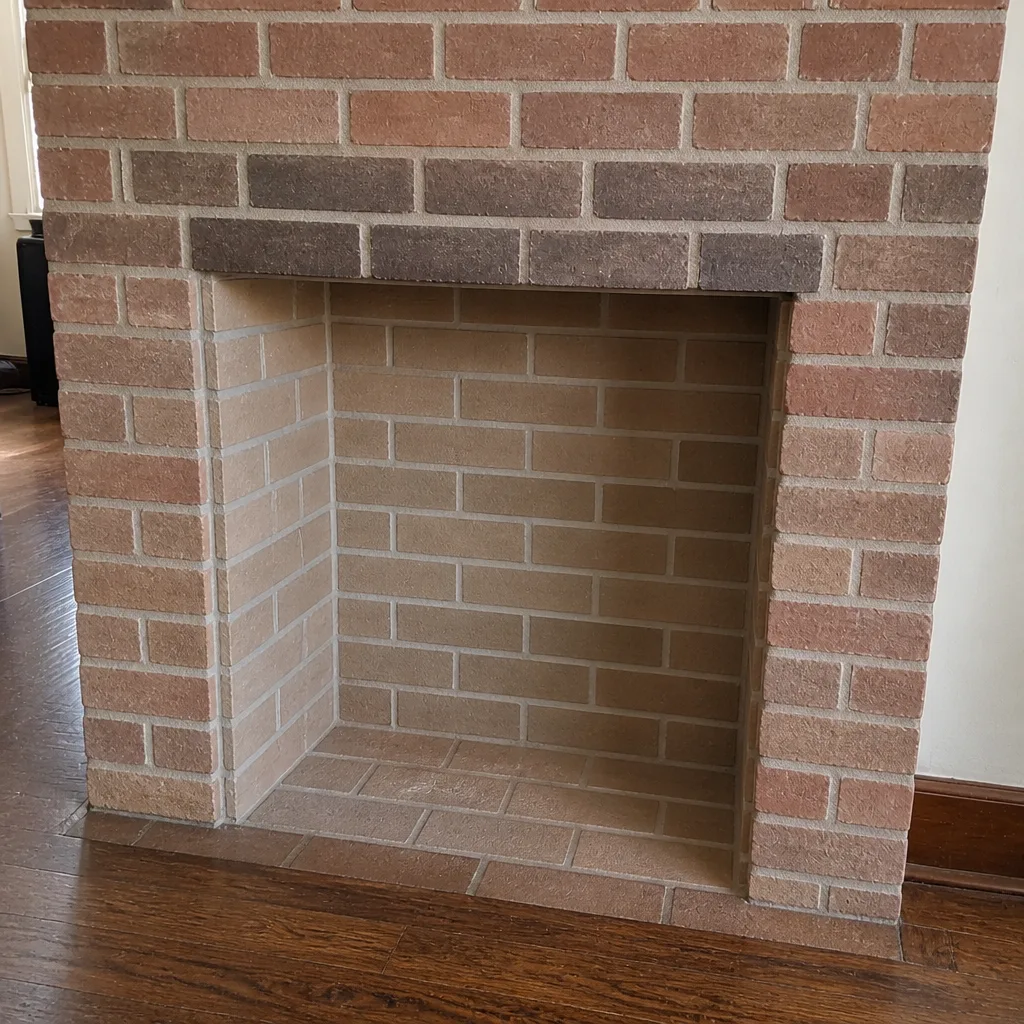
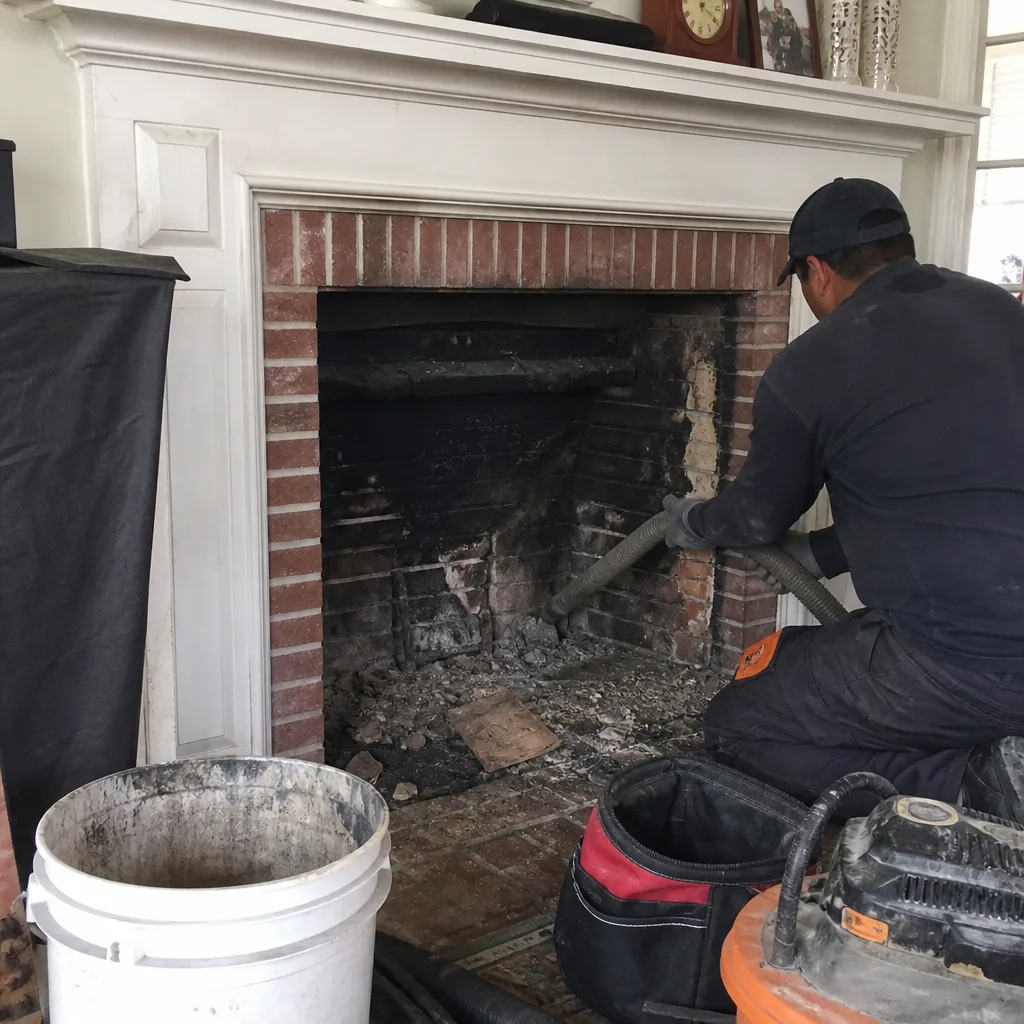
See the difference
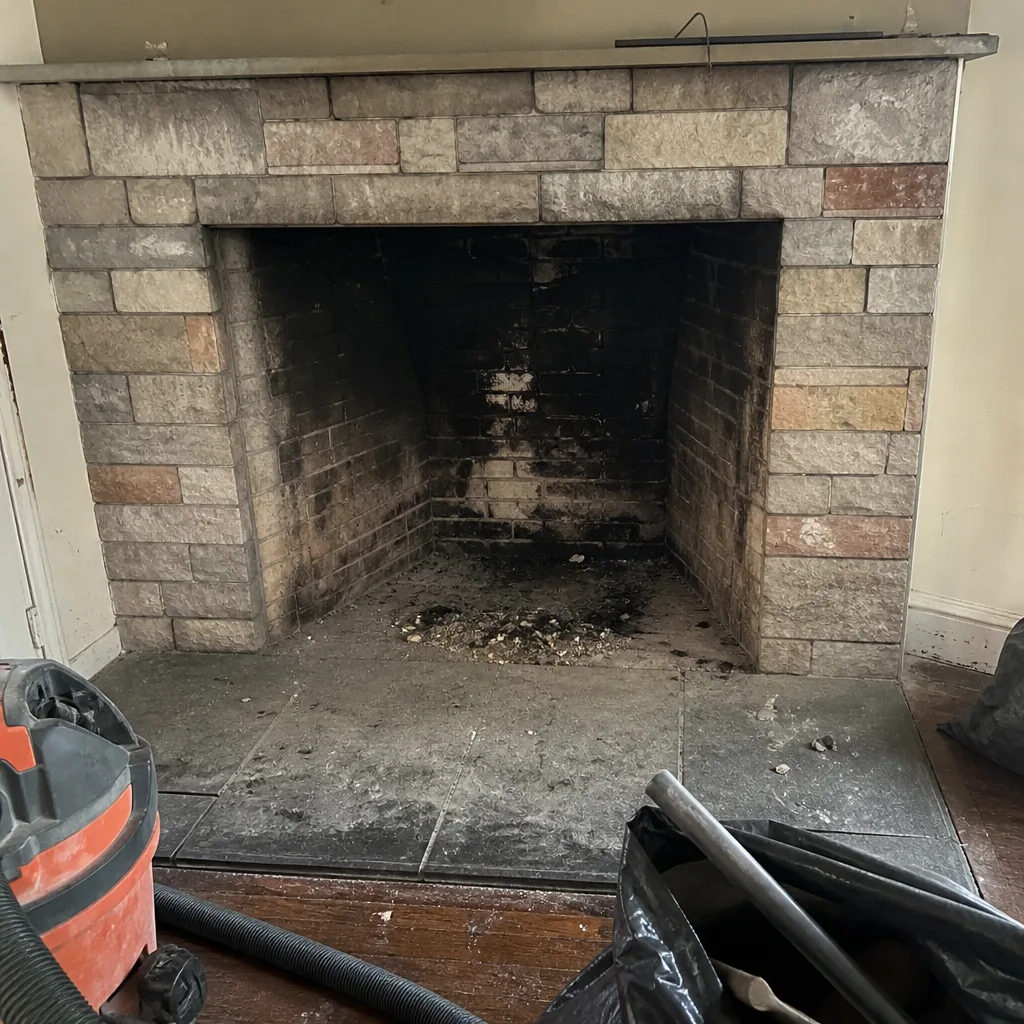 Before
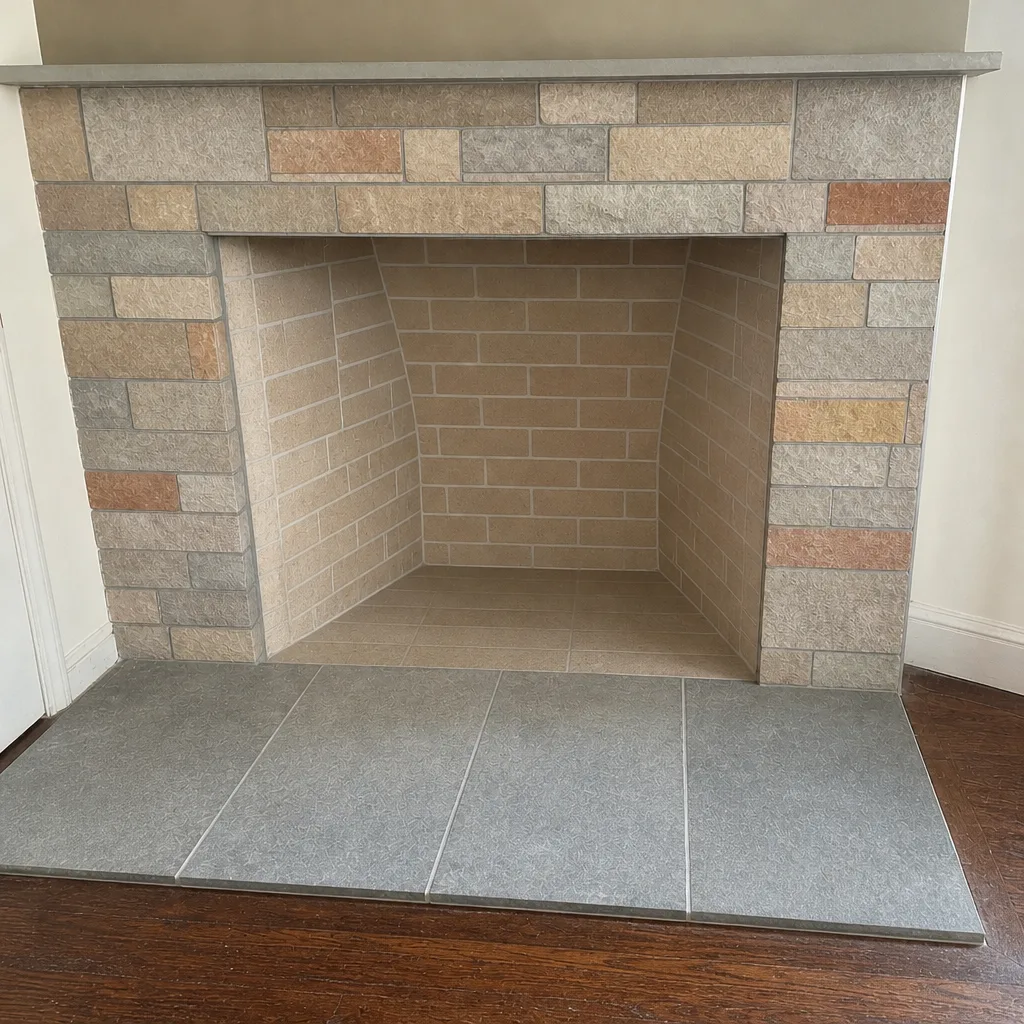 After
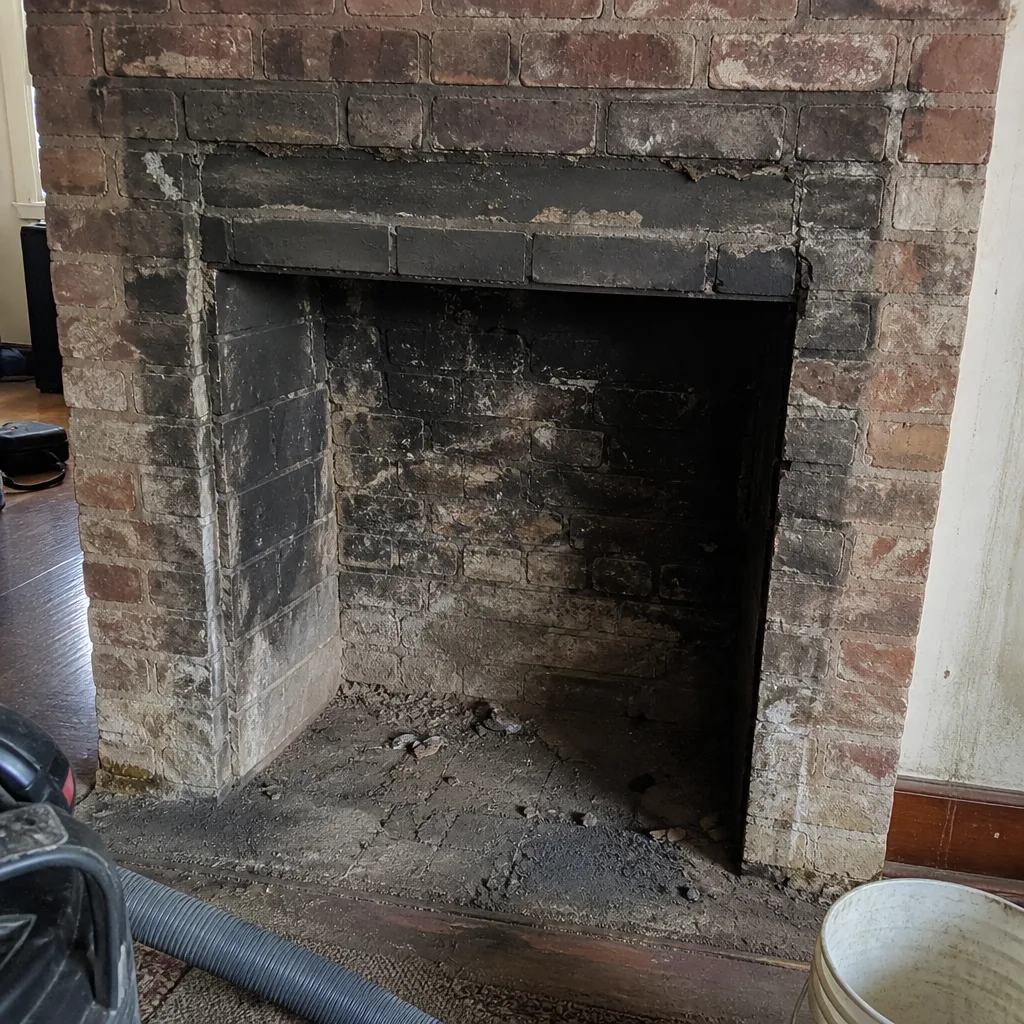 Before
 After
 Before
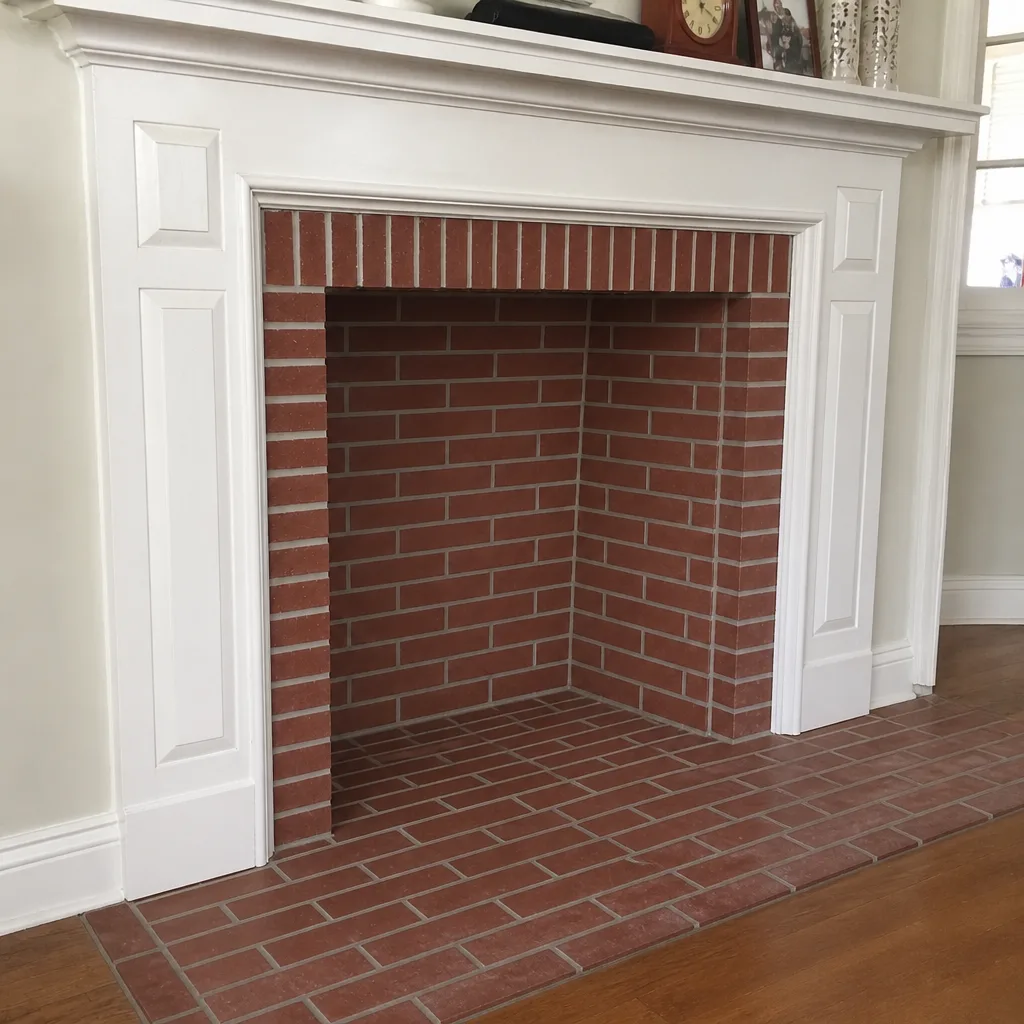 After