
Last updated November 22, 2026
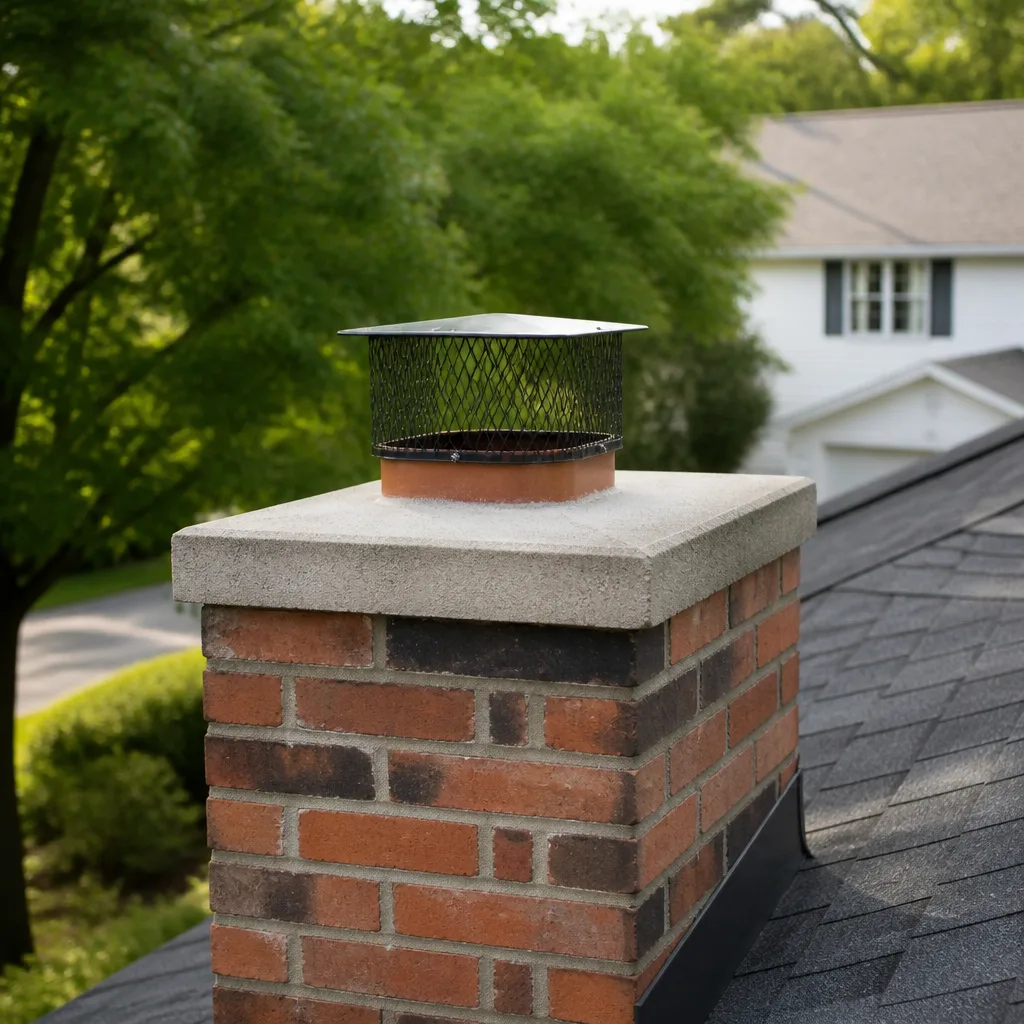 Sweep & inspection
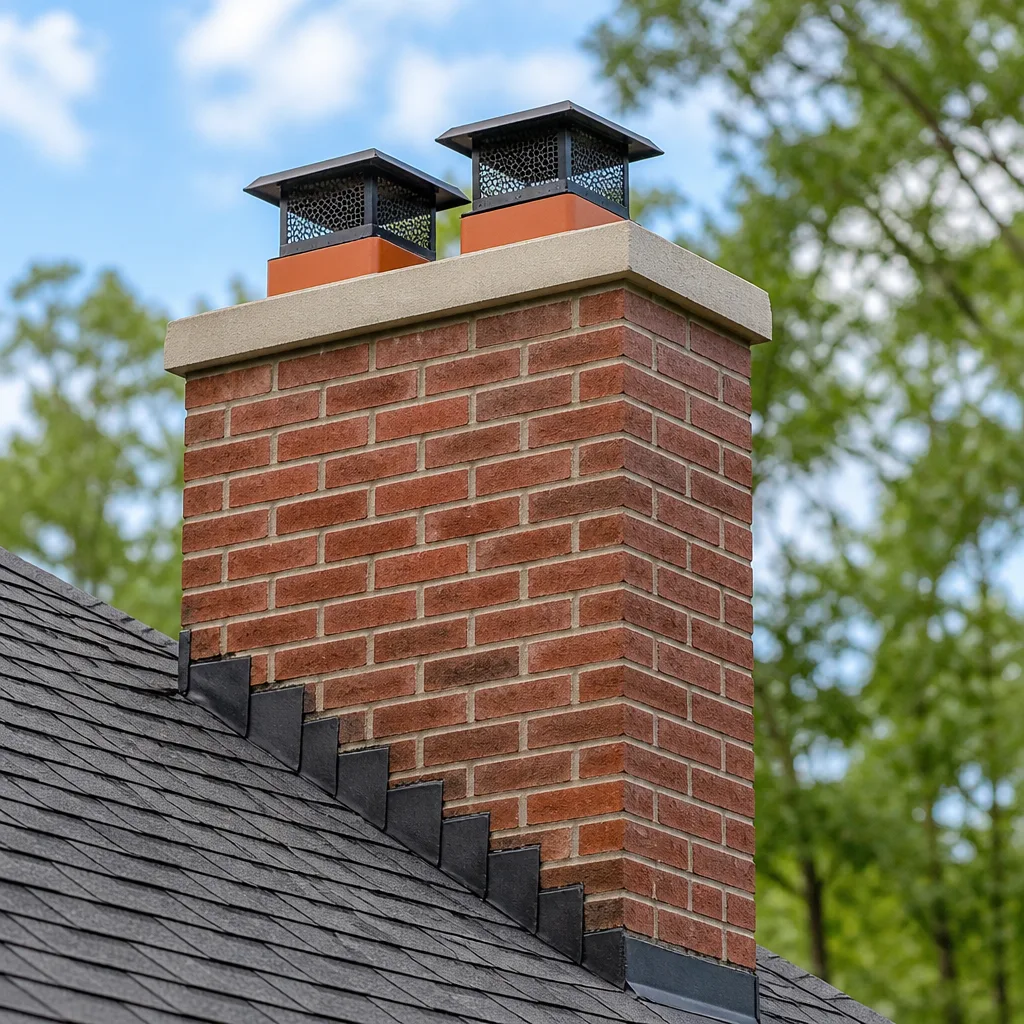 Caps & crowns
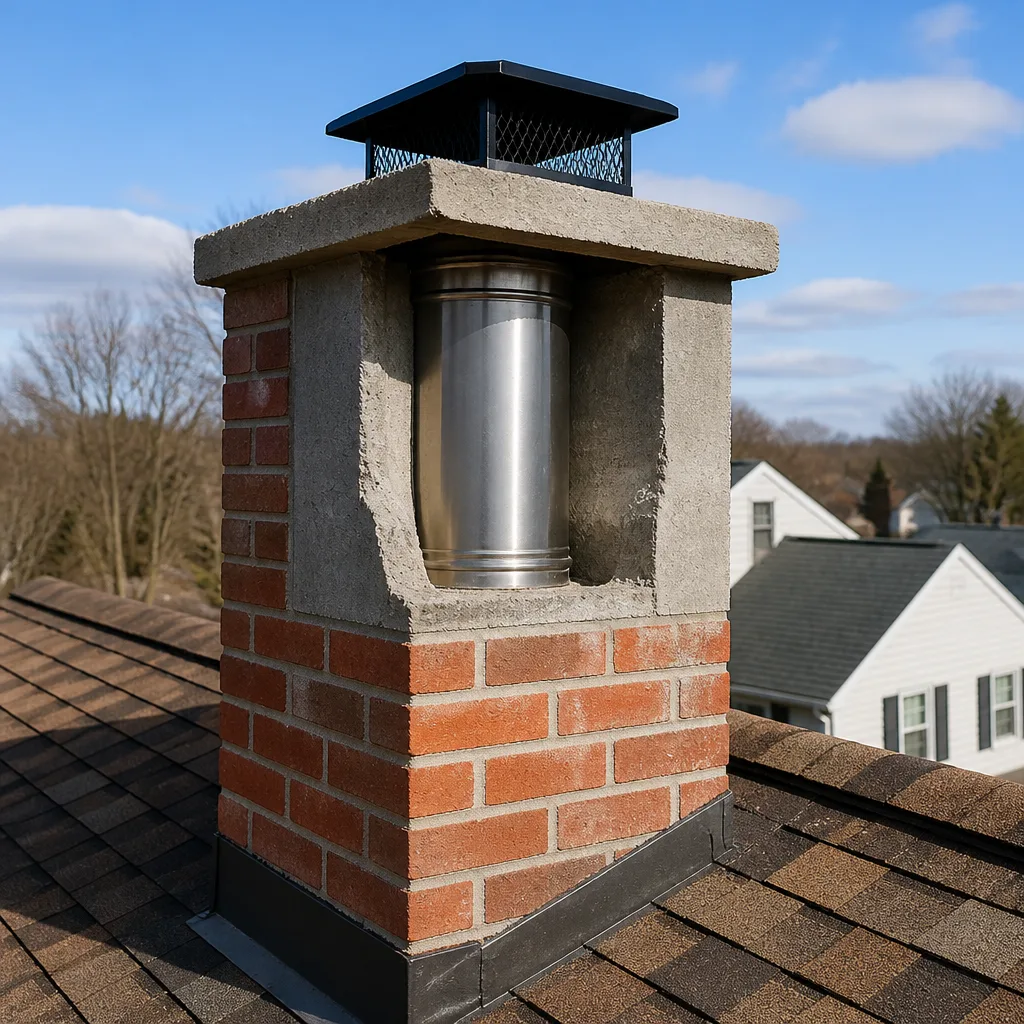 Flue relining
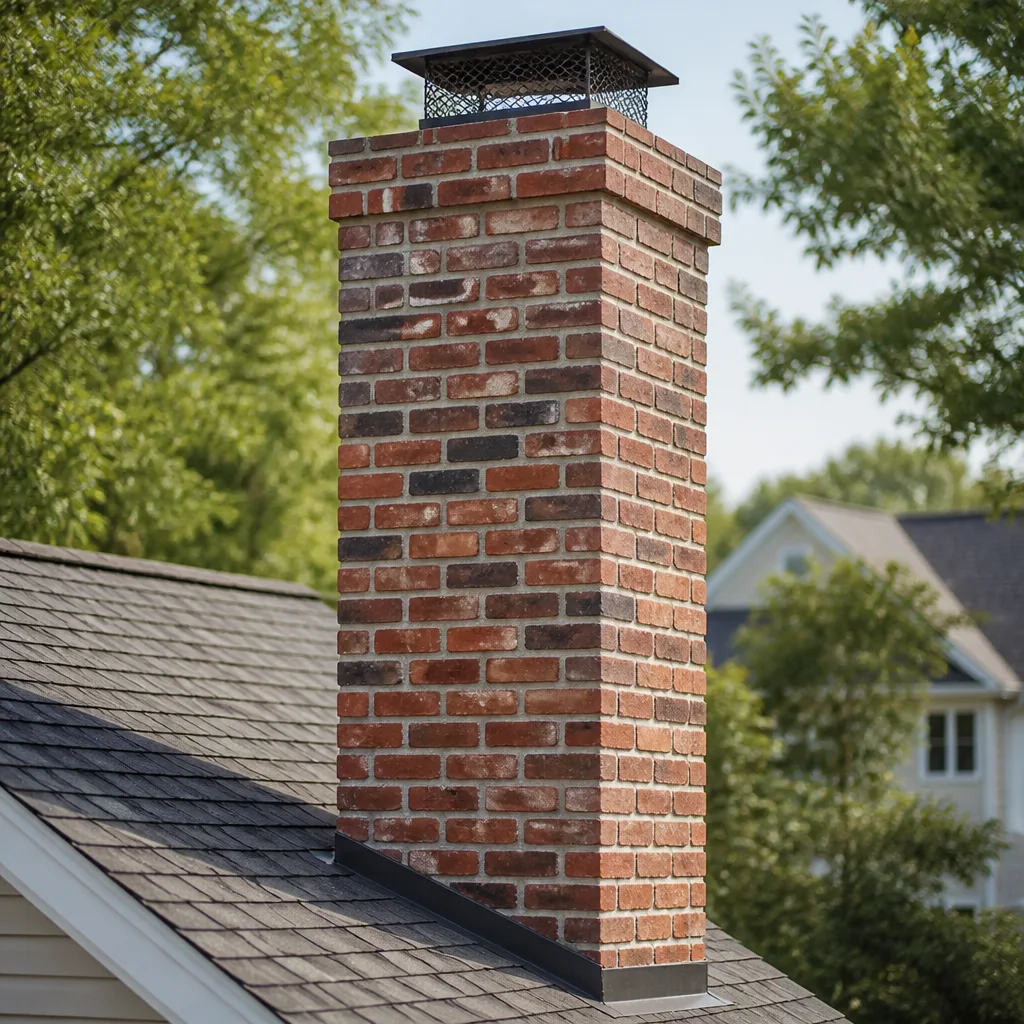 Masonry repair
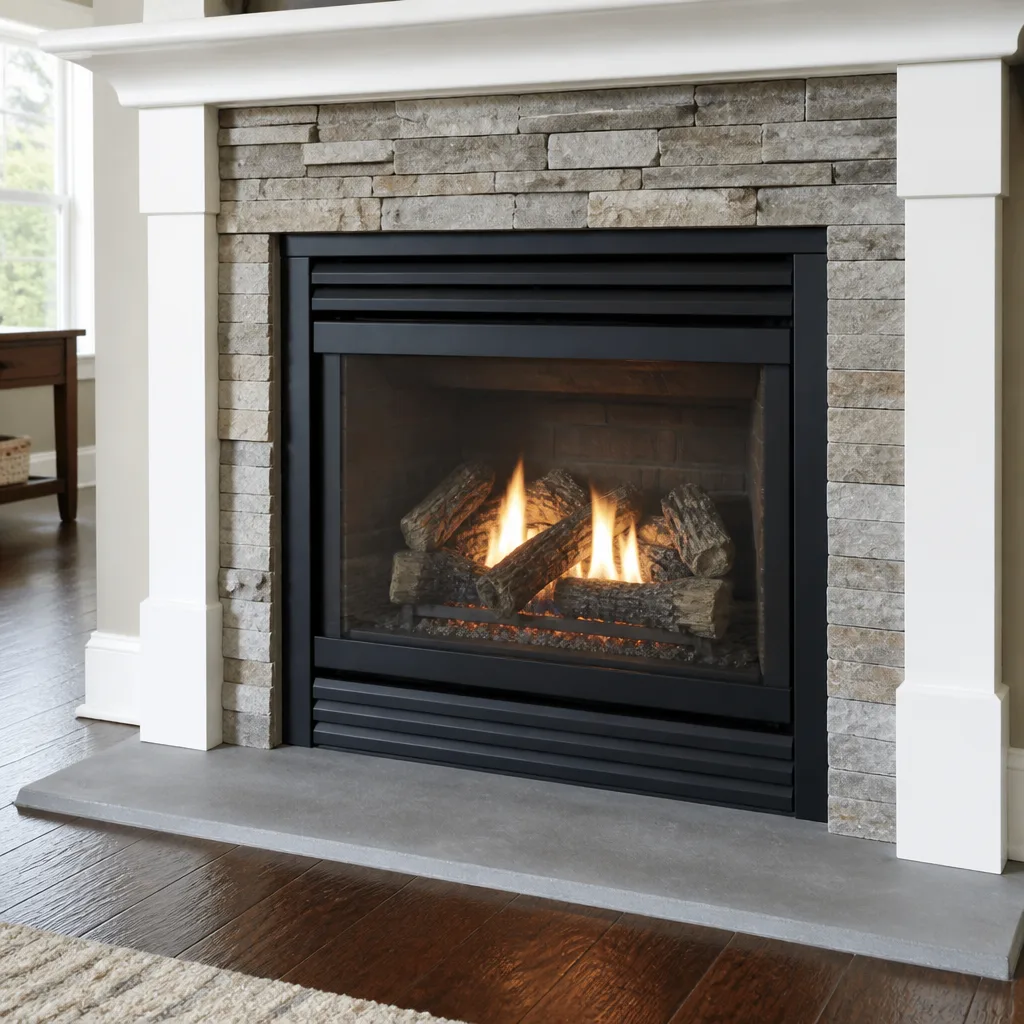 Gas fireplace service
Level 1 sweep and inspection to the NFPA 211 annual standard - flue, crown, cap, and flashing checked and photographed
Chimney sweep logs do not sweep chimneys. They loosen some creosote - which then falls where a brush and vacuum still have to collect it.
DIY vs Professional Chimney Cleaning: The Northeast Philadelphia Homeowner’s Decision Guide
The chimney brush kits on the shelf at a big-box store are built for round metal flues. Many Northeast Philadelphia rowhouses have rectangular clay-tile flues, and that geometry mismatch matters more than most people realize. The wrong brush doesn’t just sweep poorly. It can travel down a flue, scrape the corners it can reach, and leave the homeowner convinced the chimney was cleaned when the deposits along the flat sides never moved. We’re not here to tell you that cleaning your own chimney is reckless. Sometimes it’s a reasonable call. The trick is knowing which profile you actually fit, and that’s what this guide walks through.
Quick Answer
DIY chimney cleaning is reasonable only for a homeowner with a newer factory-built fireplace, light use, and a round metal flue who understands what Level 1 creosote looks like. For most Northeast Philadelphia homes, especially older rowhouses with rectangular clay-tile liners, professional cleaning is the safer and more accurate choice because the tooling and inspection a proper sweep requires aren’t consumer-available.
Styles & brands we work with
- Sweep & inspection
- Caps & crowns
- Flue relining
- Masonry repair
- Gas fireplace service
Table of Contents
- When DIY Chimney Cleaning Is Actually Reasonable
- Why Clay-Tile Liners and Rowhouse Geometry Change the Math
- What You Can and Should Do Between Professional Visits
- The Liability Question Nobody Wants to Ask
- A Real Cost Comparison: Kit, Time, and the Risk You Can’t See
- Understanding Creosote Levels and What They Mean for You
- Level 1, 2, and 3 Inspections: Which One You Need
- What Northeast Philadelphia Housing Stock Tells Us
When DIY Chimney Cleaning Is Actually Reasonable
DIY maintenance can be a responsible choice, but the criteria are tighter than most articles admit. If you can check every box on the list below, a homeowner-led cleaning between professional inspections is defensible. If you can’t check them all, the balance tips toward professional service.
- Your flue is round and metal, not rectangular clay tile. A factory-built fireplace with a stainless flue is the profile consumer brush kits are designed for. A masonry chimney with a clay-tile liner is not.
- You burn infrequently and use seasoned wood. A fireplace used a few times a month with dry, well-seasoned hardwood builds creosote slowly. A daily-burner with green wood does not.
- You know what Level 1 creosote looks like and can identify it. Level 1 is soot and light flaky deposits you can brush away. Levels 2 and 3 are glazed or tar-like and require different tools and technique.
- You have a logged professional inspection. A baseline inspection establishes the condition of the flue before you take on any maintenance yourself.
- Your chimney has a proper cap and no visible damage. A cracked crown, missing cap, or damaged flue tile means water intrusion and structural issues that only an inspection catches.
If you’re reading that list and realizing you don’t know your flue shape or can’t identify creosote type, that’s the honest signal. It doesn’t mean you’re doing something wrong. It means the DIY path requires a foundation of knowledge you haven’t built yet, and a professional chimney sweep is where that foundation starts.
Why Clay-Tile Liners and Rowhouse Geometry Change the Math
Most Northeast Philadelphia rowhouses were built with masonry chimneys lined in rectangular clay tile. That geometry is the crux of the DIY problem. Consumer brush kits ship with round brushes sized for round metal flues. Push a round brush down a rectangular clay flue and two things happen: the brush contacts the flat faces but misses the corners, and it can bind, twist, or damage the tile edges if forced.
The result isn’t a ruined chimney in most cases. It’s worse in a quieter way: a homeowner who believes the flue is clean when deposits remain along the corners and offset joints. Creosote collects where airflow slows, and in a rectangular flue those are exactly the spots a round brush skips.
Rowhouse chimneys add their own complications. Interior chimneys in a rowhouse often share a masonry mass with neighbors, offset or jog around structural elements, and connect to a smoke chamber that transitions from the firebox to the flue. That smoke chamber has sloped walls that collect creosote and require specific tooling to clean properly. No consumer kit addresses it. A professional sweep uses rotary equipment sized to the flue, drop cloths and vacuums to contain dust, and a camera to verify what was actually removed. Those tools exist because rectangular clay-tile systems demand them.
We use products from DuraFlex and Olympia Chimney when a flue needs relining or repair after inspection, and those decisions only surface when someone actually looks at the full system. That’s the difference between a sweep and a full-system service.
What You Can and Should Do Between Professional Visits
Between professional cleanings, there’s real maintenance a homeowner can do safely. None of it replaces a sweep, and none of it involves getting onto the chimney or reaching inside the flue. What it does is catch small problems early and keep the system operating as designed.
- Check the cap visually from the ground. A missing or damaged cap lets water, debris, and animals into the flue. Binoculars from the yard are enough to spot a cap that’s tilted or gone. If it needs repair, that falls under chimney cap & crown work.
- Look inside the firebox before each fire. A flashlight check for debris, animal nests, or crumbling mortar in the firebox takes under a minute and catches problems before they become a fire risk.
- Apply a creosote spray for light deposits. Creosote conditioner sprays are available at hearth retailers and can be applied to light sooty deposits between fires. They help break down thin deposits so they release more readily. They don’t remove glazed creosote, and they don’t replace a sweep.
- Keep a log of burning habits. How much wood you burn, how dry it is, and what species you use are useful context for the next inspection. A sweep can tell a lot from creosote type, and your usage pattern helps interpret it.
- Watch for water stains and efflorescence. White chalky deposits or staining on the exterior brick signal moisture intrusion, which is an inspection matter, not a maintenance one.
What you should not do yourself: descend into the flue, remove or replace a liner, repair a crown or cap, or attempt to clean a smoke chamber. Those involve height, structural judgment, or confined space work that belongs to trained technicians.
The Liability Question Nobody Wants to Ask
Here’s the uncomfortable part. If a chimney fire happens after a homeowner cleans the chimney themselves, the question of documented maintenance comes up. We’re not attorneys and we don’t give legal advice, but we can tell you what we observe in the trade: insurers ask for maintenance records, and a receipt from a professional inspection is a different document than a self-performed cleaning.
Most homeowner policies contain provisions about reasonable maintenance, and chimney fires are frequently investigated with an eye toward whether the chimney was properly maintained. A logged professional inspection establishes the condition of the system at a point in time. A homeowner who cleaned their own flue without any professional baseline has no such record.
There’s also a safety dimension separate from insurance. A professional inspection notes the condition of the liner, the smoke chamber, the cap, and the crown. Those findings are documented. When something goes wrong months later, there’s a record of what was seen and what was recommended. That record protects the homeowner’s position regardless of what any policy says.
This isn’t a scare tactic. It’s a practical argument for having at least one professional look at the system even if you do routine cleaning in between. The cost of an inspection is a fraction of the ambiguity it removes.
A Real Cost Comparison: Kit, Time, and the Risk You Can’t See
Comparing a chimney sweep to a brush kit on sticker price misses most of the picture. Here’s a fuller accounting of what each path involves. All figures are typical estimates for the Northeast Philadelphia market; the written estimate from any provider sets the final price.
| Cost Item | Typical Range (Estimate) |
|---|---|
| Consumer chimney brush kit | $50 – $150 |
| Extension rods (as needed) | $30 – $80 |
| Respirator and protective gear | $30 – $60 |
| Professional chimney sweep (standard) | $150 – $300 |
| Professional inspection (Level 1 or 2) | $100 – $250 |
| Camera verification (if offered separately) | $75 – $200 |
| Crepair from a missed defect | Varies by scope |
Two things stand out. First, the kit plus gear runs $110 to $290 before you count your own time. A professional sweep at $150 to $300 is not a wildly different number. Second, the kit is a one-time purchase but the flue geometry problem doesn’t disappear. You still can’t clean the corners of a rectangular clay-tile flue, and you still can’t see what remains.
The bigger cost is the one that doesn’t appear in a table. A missed Level 2 creosote deposit is glazed, hard, and requires different removal methods. A missed crack in a flue tile lets heat and gases into the masonry. A missed crown crack lets water in over a winter, and freeze-thaw cycles in a Philadelphia winter turn a hairline crack into real masonry damage. That’s when chimney repair becomes necessary instead of routine maintenance. The kit was never going to catch any of it.
Understanding Creosote Levels and What They Mean for You
Creosote is the residue of incomplete combustion, and it forms in three recognizable stages. Knowing them is the single most useful piece of knowledge a homeowner can carry into any DIY decision.
- Level 1: Soot and light flaky deposits. Brushable with standard tools. Forms when the fire burns reasonably hot with dry wood. This is the level where DIY cleaning between professional visits is defensible.
- Level 2: Crusty, brittle, or tar-like deposits. Adheres more firmly to the flue. Standard brushes leave it behind in pockets and corners. Requires rotary equipment or chemical treatment for removal.
- Level 3: Glazed, hardened creosote. Looks like a shiny tar coating. Highly combustible and the most common contributor to chimney fires. Removal requires specialized tools and often professional intervention.
The trap is that you can’t see level from the firebox. Level 2 and Level 3 deposits build in the upper flue where the gases cool, and the only reliable way to identify them is to look with the right equipment. A homeowner who burns occasionally and sees mostly soot near the damper may still have glazed creosote higher up.
This is where products like HeatShield come in. When the clay tile liner has deteriorated or the deposits have damaged the flue surface, resurfacing can restore it without a full tear-out. That’s a professional-grade solution, and the reason we use HeatShield is that it addresses the specific failure mode clay-tile liners develop: cracked, spalled surfaces that compromise the liner’s ability to contain heat and gases. It’s a decision that comes out of an inspection, not a guess.
Level 1, 2, and 3 Inspections: Which One You Need
Not every inspection looks the same, and understanding the difference helps you know what to ask for. The industry standard recognizes three levels.
- Level 1 Inspection. A visual check of the readily accessible portions of the chimney and connected appliance. This is the routine inspection done at the time of a sweep. It’s appropriate for a chimney under continued use with no changes to the system.
- Level 2 Inspection. Adds a camera inspection of the flue interior and access to areas not visible in a Level 1 check. Required when a system changes: a new appliance, a relining, a change in fuel type, or after a chimney fire or significant event. This is the inspection that reveals cracked tiles and hidden creosote.
- Level 3 Inspection. Involves opening walls or removing components to access concealed areas. Done when a serious hazard is suspected. Rare, but sometimes necessary in older Northeast Philadelphia homes where chimneys have been altered or enclosed.
For any homeowner taking on DIY cleaning, a Level 2 inspection is the baseline. It tells you the condition of the flue in a way you can’t determine yourself. After that baseline, routine cleaning and Level 1 checks between professional visits are a defensible pattern.
What Northeast Philadelphia Housing Stock Tells Us
The neighborhoods shape the answer. Northeast Philadelphia includes areas like Mayfair, Holmesburg, Bustleton, Rhawnhurst, and Somerton, and the housing mix matters. The rowhouse corridors closer to the city have older masonry chimneys with rectangular clay-tile liners, often original to homes built in the mid-20th century. That’s the profile where DIY cleaning carries the most risk.
Bustleton and Somerton have more postwar single-family housing, some with factory-built fireplaces and stainless flues. Those are the homes where a homeowner with light use and reasonable knowledge can maintain a DIY routine between professional inspections.
Regional climate adds another layer. Philadelphia winters deliver repeated freeze-thaw cycles, and that’s hard on masonry. A crown crack that would be minor in a mild climate becomes a pathway for water that freezes, expands, and opens the crack wider each season. Northeast Philadelphia homeowners who go a few years without an inspection often discover winter damage that started small. Rain intrusion down an uncapped flue does similar work on the flue tiles from the inside.
This is why we treat the chimney as a system rather than a pipe. The firebox, damper, smoke chamber, flue, liner, crown, and cap all interact, and a fix at one end can create a failure at the other. Full-system service isn’t a marketing phrase; it’s how the physics works. Using Gelco for crown and cap work and Famco or Copperfield products where they fit the system keeps the whole assembly coordinated.
Common Mistakes to Avoid
- Buying a round brush for a rectangular flue. The geometry mismatch means corners stay coated while the homeowner believes the flue is clean. Check your liner shape before you buy anything.
- Treating a light soot pass as proof the whole flue is clean. Soot near the damper tells you nothing about glazed deposits 15 feet up. A camera inspection is the only way to know.
- Skipping the first professional inspection. Without a baseline, you have no way to know the condition of the liner before you take on maintenance. Start with a professional look, then decide.
- Assuming your cap is fine because you can’t see it clearly. A missing or damaged cap is one of the most common causes of water damage in Northeast Philadelphia chimneys. A ground-level visual check with binoculars catches most issues.
- Using creosote spray on heavy deposits. Conditioner sprays work on light soot. They don’t touch glazed creosote, and relying on them for Level 2 or 3 deposits delays the real fix.
- Cleaning the flue without cleaning the smoke chamber. The smoke chamber above the firebox collects creosote and is one of the most overlooked parts of the system. Consumer kits don’t address it at all.
- Ignoring insurance documentation. A professional inspection is a record. Self-performed cleaning leaves no documentation trail if a chimney fire is ever investigated.
See the difference
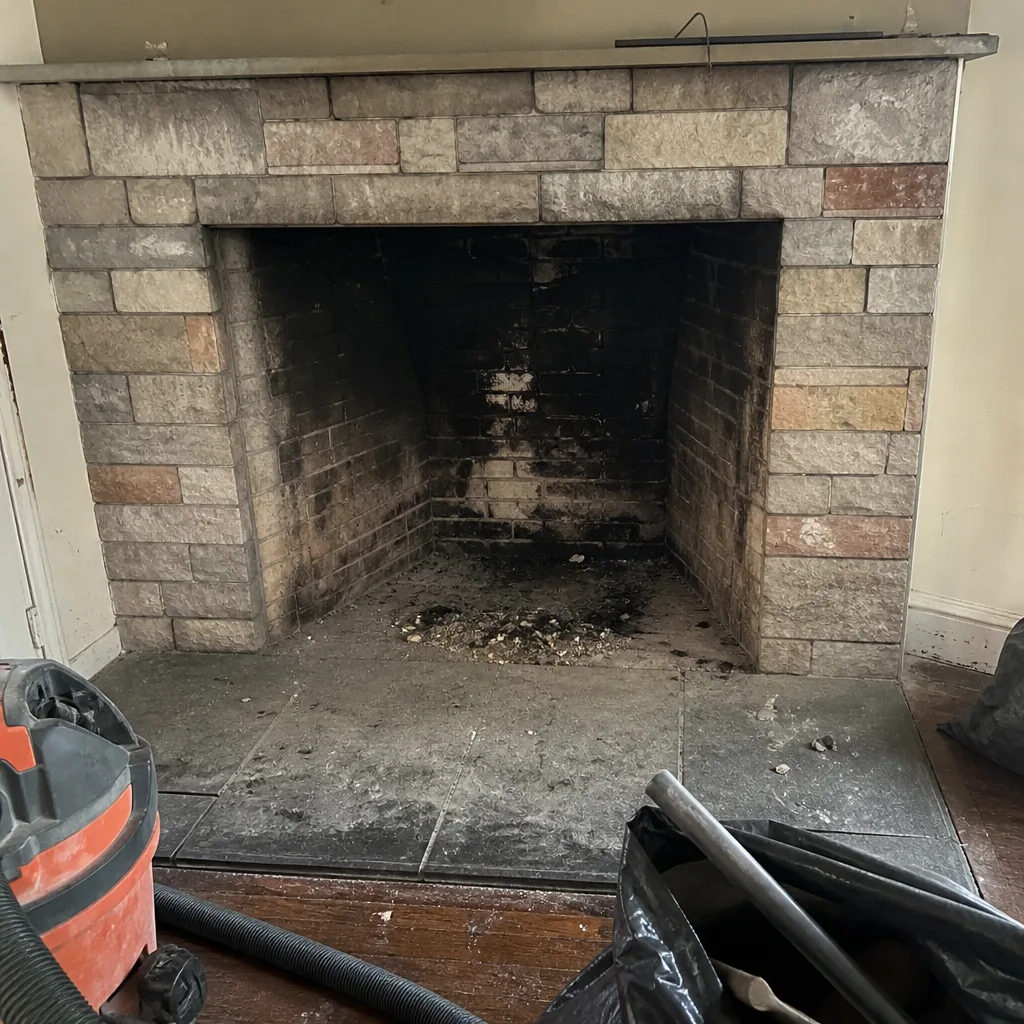 Before
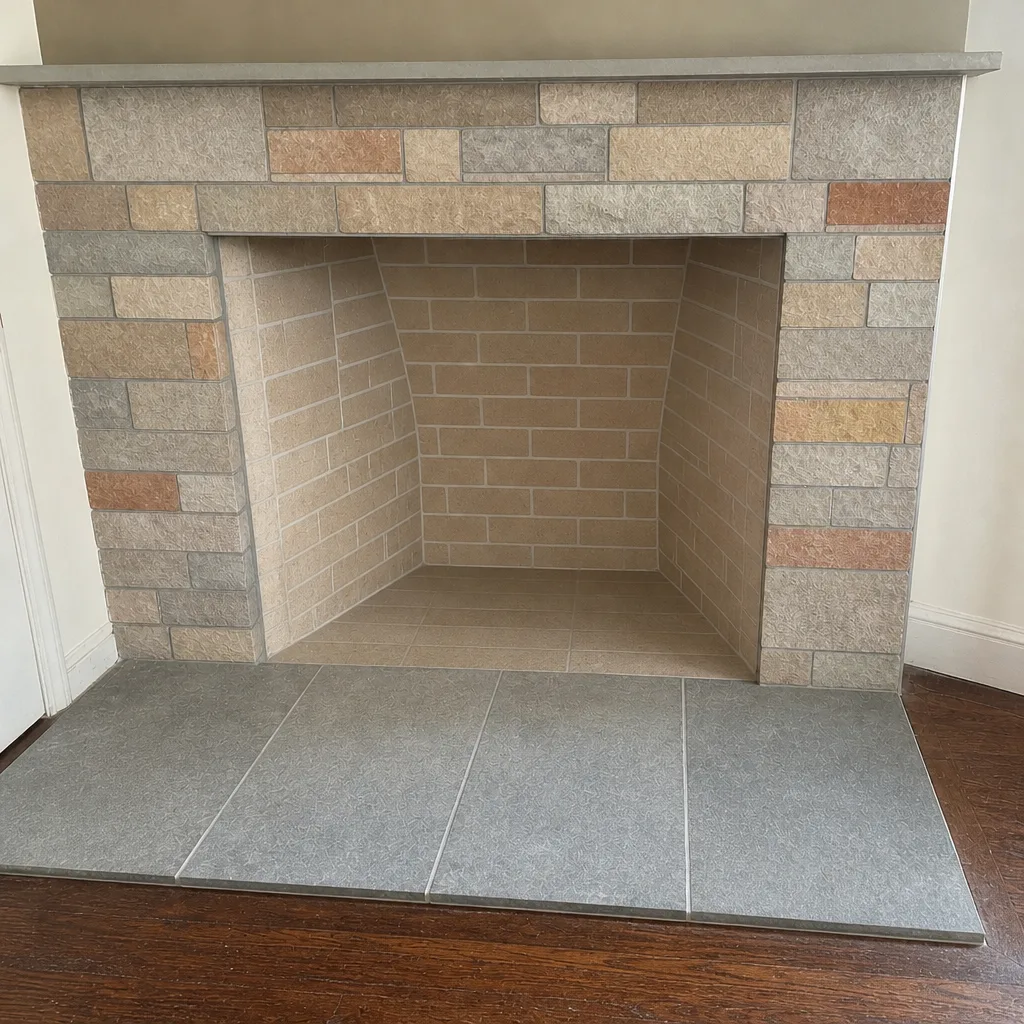 After
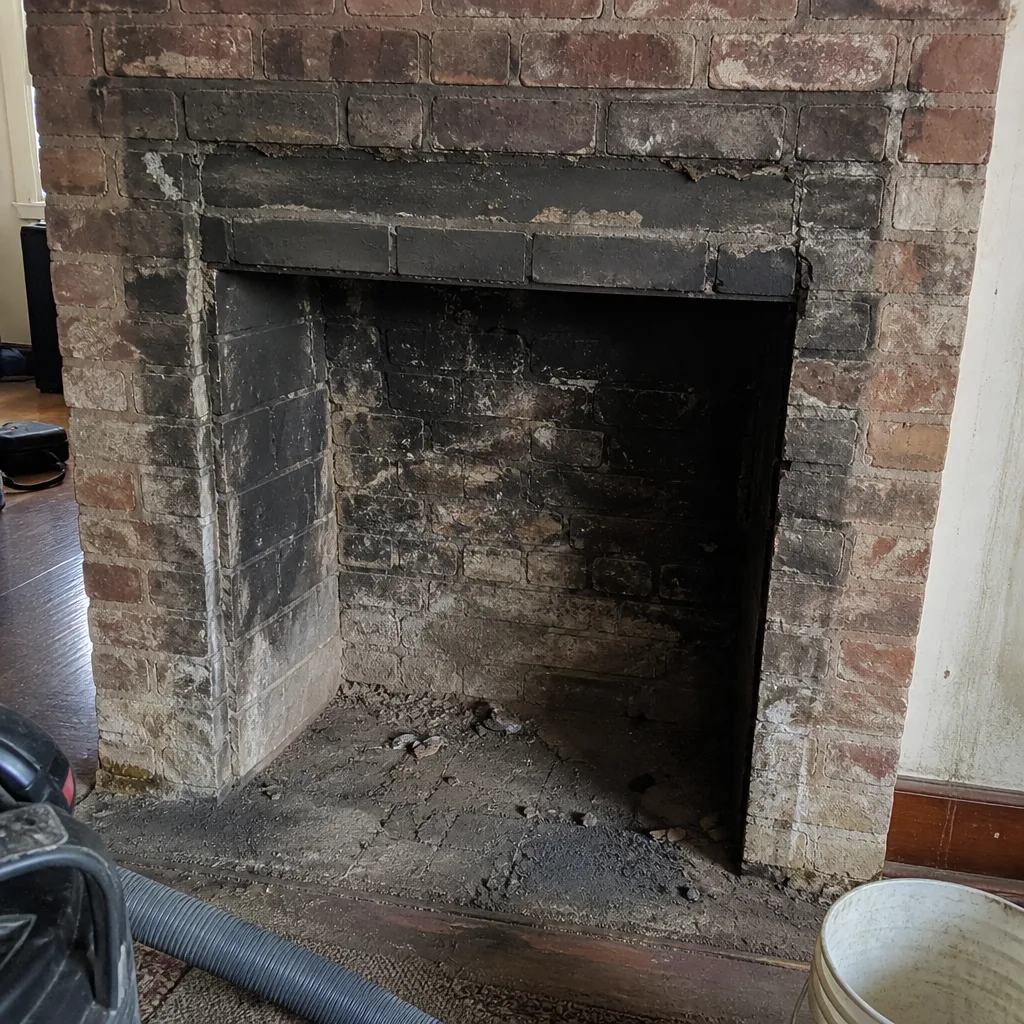 Before
 After
 Before
 After
When to Call a Professional
Call a professional if you don’t know your flue shape or liner type, if you’ve never had a professional inspection, if you notice glazed or tar-like deposits, if there’s water staining or white efflorescence on the exterior brick, if the cap is damaged or missing, or if your fireplace has ever had smoke spill into the room. Those signs point to conditions beyond routine maintenance. Our technicians have up to 13 years of experience and can assess the full system, from the firebox to the crown. Chimney Sweep Northeast Philadelphia offers free estimates in Northeast Philadelphia. Call (855) 658-4023. We answer 24/7. Fast dispatch from 7am to 7pm, Sunday through Friday.
Frequently Asked Questions
You can, but it’s usually not advisable for a masonry chimney with a rectangular clay-tile liner. Consumer brush kits are sized for round metal flues, so a rectangular clay flue gets partially cleaned at best. The corners and offset joints where creosote collects typically remain coated, which creates a false sense of security. A professional sweep with rotary tooling sized to the flue is the accurate path for this profile.
Most wood-burning chimneys should be swept once a year, and more often with heavy use. If you burn frequently through a Philadelphia winter, an annual sweep before the heating season is the baseline. Gas fireplaces need less frequent cleaning but still benefit from periodic inspection because the appliance and venting can develop issues that aren’t visible.
A professional sweep includes rotary cleaning sized to your flue, smoke chamber cleaning, a cap and crown inspection, and a camera check of the flue interior when warranted. The camera inspection is what catches cracked tiles and Level 2 or Level 3 creosote you can’t see from the firebox. DIY cleaning, with consumer tools, doesn’t come close to covering that scope.
We’re not insurers and we don’t advise on policy terms, but insurers commonly ask for maintenance records after a chimney fire. A professional inspection receipt is documentation; a self-performed cleaning isn’t. Having at least a baseline professional inspection on record protects your position no matter how you handle routine cleaning between visits.
A sweep removes deposits; an inspection evaluates condition. They’re related but distinct, and the industry recognizes three inspection levels. A Level 1 is a visual check done at the time of a sweep. A Level 2 adds camera inspection of the flue and is the right baseline before any DIY maintenance. A Level 3 involves opening concealed areas and is reserved for suspected serious hazards.
A standard professional sweep in Northeast Philadelphia typically runs $150 to $300, and an inspection adds $100 to $250 depending on level. A consumer brush kit plus protective gear runs $110 to $290 before you count your time. The written estimate from any provider sets the final price. Call (855) 658-4023 for an exact quote – estimates are free.
The Bottom Line
DIY chimney cleaning isn’t reckless across the board. It’s a reasonable maintenance option for a homeowner with a round metal flue, light and seasoned use, knowledge of creosote levels, and a logged professional baseline inspection. The trap is misidentifying your chimney type. Most Northeast Philadelphia rowhouses have rectangular clay-tile flues that consumer kits can’t clean accurately, and the wrong brush leaves a homeowner confident in a flue that wasn’t swept. Whether you maintain a DIY routine or hand the whole system to a professional, start with an inspection. It’s the only way to know the condition of the system your family relies on, and it’s the record that protects you if something goes wrong.
If you’d like a straight assessment of your chimney without pressure, call (855) 658-4023. We answer 24/7. Fast dispatch from 7am to 7pm, Sunday through Friday. The local pro is licensed and insured as their state requires, the estimate is free, and the written estimate sets the final price. You can also start with our Chimney Sweep Northeast Philadelphia overview to see the full scope of what we handle.
Written by the team at Chimney Sweep Northeast Philadelphia.